






The Groundwork: One Month Before Travel
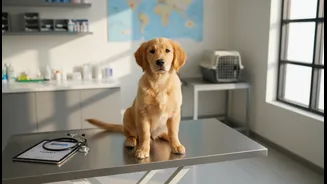
Proper planning begins long before you book any tickets. Your first stop should be your veterinarian. Schedule a visit to ensure your pet is healthy enough for travel and to get their core vaccinations updated. This is especially crucial for the rabies
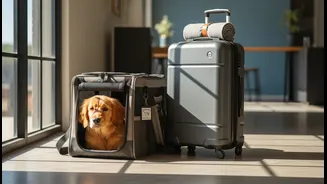
vaccine, which most transport authorities require to be administered at least 30 days before the journey. Discuss your travel plans with the vet; they can offer advice on managing travel anxiety and provide a fitness-to-travel certificate, which you will need later. Now is also the time to check if your pet has a microchip. While not always mandatory for domestic travel, it is highly recommended for identification. Finally, start crate training. A travel carrier should be a safe space, not a source of stress. Introduce the IATA-compliant carrier at home, letting your pet explore it, sleep in it, and associate it with positive experiences. This acclimatisation is key to a calm journey.
Navigating Bookings: Airlines vs. Trains
How you book depends entirely on your mode of transport. For air travel, it's critical to call the airline before booking your own ticket. Pet policies vary significantly between carriers like Air India, Akasa Air, and IndiGo regarding in-cabin versus cargo travel, weight limits, and breed restrictions. IndiGo, for instance, is one of the few that may allow small pets in the cabin on select routes, while Air India has a more established cargo policy. Confirm that your desired flight accepts pets, as there are limits on the number of animals per flight. Once you get a verbal confirmation, book your ticket and immediately call back to add your pet to your booking. For Indian Railways, the process is different. To travel with your pet in a compartment, you must book an entire First Class AC coupe (2 berths) or cabin (4 berths). This gives you exclusive space. The booking for the pet itself is often done at the parcel office at the station a few hours before departure, not online with your ticket.
The Ultimate Document Checklist
Incomplete paperwork is the most common reason for travel plans to fall apart. Keep all documents organised in a single folder. You will need: a 'Fit to Travel' or health certificate from a licensed veterinarian, typically issued within 7-10 days of your journey; a complete and up-to-date vaccination record, with special emphasis on the rabies certificate; your own government-issued ID proof and a copy of your ticket; and a recent photo of your pet, just in case they get lost. Some airlines may also require you to fill out and sign an indemnity form, so check their website for any specific documents they provide. Have both original copies and digital backups of everything.
Gearing Up: The Right Carrier and Essentials
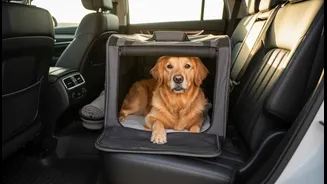
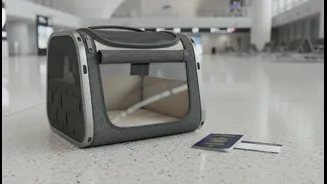
The travel carrier is your pet's sanctuary during the trip. For air travel, it must be IATA (International Air Transport Association) compliant. This means it should be well-ventilated, have a secure metal-grate door, a leak-proof bottom, and be large enough for your pet to stand, turn, and lie down comfortably. For small pets travelling in the cabin, a soft-sided carrier might be permitted, but you must check the airline’s exact dimension requirements. Label the crate clearly with 'Live Animal' stickers, your name, contact number, and your destination address. Pack a travel bag for your pet containing a leash and collar with an ID tag, collapsible food and water bowls, a small amount of their regular food, any necessary medications, waste bags, and a comfort item like a familiar blanket or toy that smells like home.
The Day of Departure
On travel day, stay calm; your pet will pick up on your energy. Give them a light meal a few hours before the journey, but avoid feeding them right before you leave to prevent nausea. Ensure they have a good walk and a chance to relieve themselves before heading to the airport or railway station. Arrive early—at least 3-4 hours before a flight. The check-in process for pets takes extra time. Keep their documents handy for verification. Once on board a plane, pets must remain in their carrier for the entire duration of the flight. For train journeys, use the longer station stops for quick, leashed potty breaks. Always keep your pet on a leash in the station and on the platform for their safety.