



A New Kind of Itinerary
For years, the rugged, breathtaking landscapes of Northeast India were seen as the domain of intrepid group expeditions or seasoned adventurers. But travel operators and local guides are now reporting a distinct change in their booking patterns. There's
a notable and growing demand from individuals booking trips for one. This isn't just about adding an extra person to a group; it’s a wave of travellers—spanning young professionals to recent empty-nesters—specifically seeking a solitary experience amidst the rhododendron forests and high-altitude lakes of the region. This trend marks a departure from the traditional family vacation or group tour, pointing towards a deeper shift in what Indian travellers are looking for.
The Search for Solitude and Self-Reliance
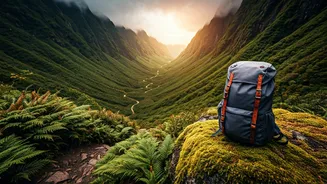
So, what’s driving this solo surge? The motivation appears to be deeply personal. In a world of constant connectivity and urban noise, the appeal of solitude has never been stronger. A solo trek offers a rare opportunity for introspection, a chance to disconnect from digital demands and reconnect with oneself. There is a profound sense of empowerment that comes from navigating a new environment alone. It’s a test of self-reliance, a confidence-building exercise that goes far beyond a typical holiday. Travellers speak of the freedom to set their own pace, linger where they wish, and engage more authentically with the local environment and culture without the filter of a group dynamic. It’s less about being alone and more about being in charge of their own journey.
Why the Northeast, Specifically?
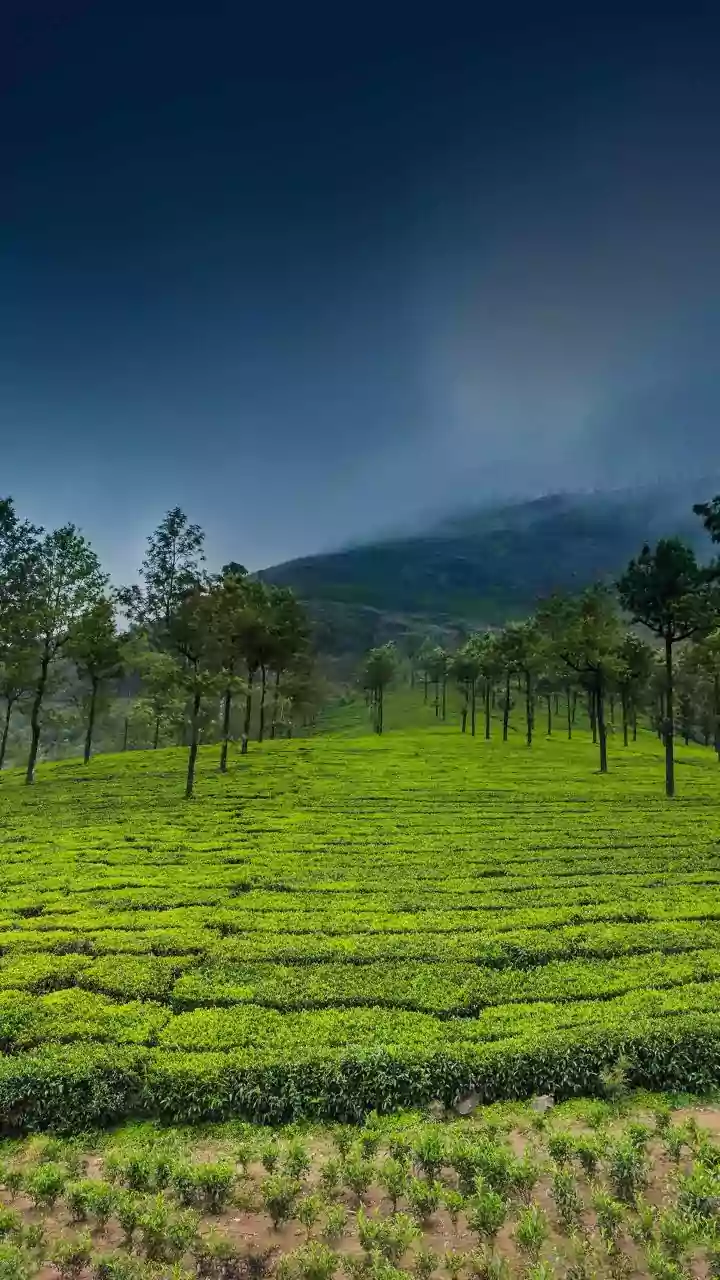
While solo travel is a global phenomenon, the magnetic pull of the Northeast for this trend is no accident. The region offers a unique combination of factors that make it particularly attractive. States like Sikkim, Arunachal Pradesh, Meghalaya, and Nagaland are perceived as being relatively safer and more welcoming to tourists than some other parts of the country. The deep-rooted, gentle cultures of many communities here add to a sense of security. Furthermore, the Northeast represents one of India’s last truly pristine frontiers. It offers an 'off-the-beaten-path' experience that feels more authentic and less commercialised, a key motivator for those looking to escape the crowded tourist circuits.
The Digital Trailhead
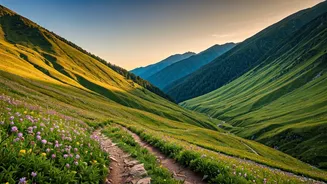
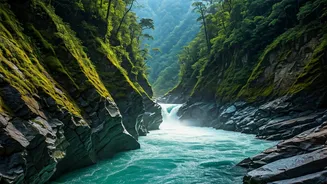
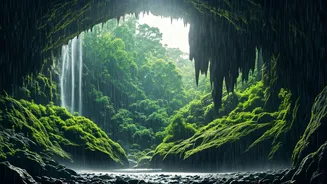
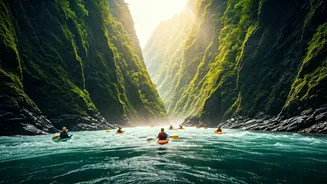
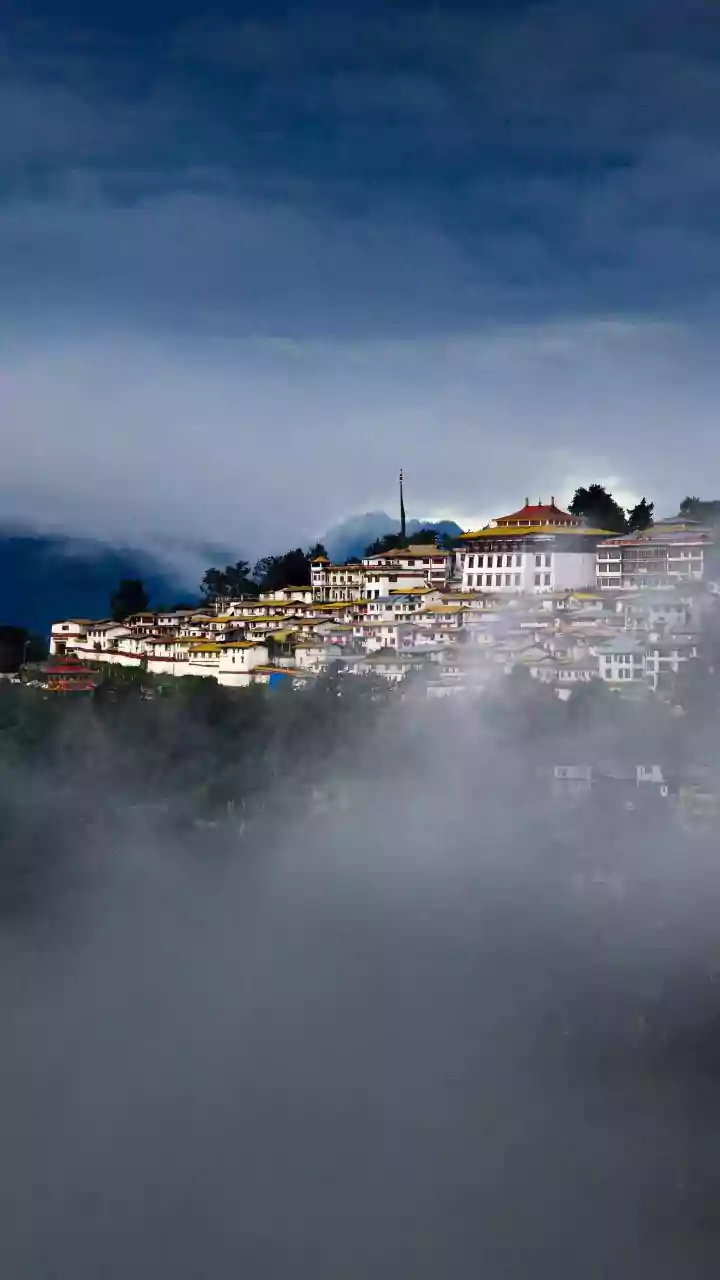
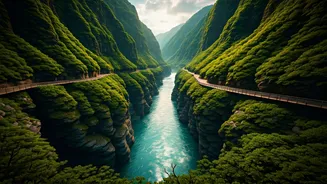
Ironically, the journey into this remote solitude often begins online. Social media has played a colossal role in demystifying the Northeast. Instagram feeds filled with stunning images of Dzükou Valley's rolling hills or the crystal-clear waters of the Umngot River have transformed the region from an unknown entity into a must-visit destination. Travel vloggers and digital nomads have created a virtual trail of guides, tips, and inspiration, showing that solo travel here is not only possible but incredibly rewarding. This digital footprint provides a crucial layer of reassurance, offering visual proof and practical advice that empowers would-be adventurers to take the leap and book that ticket for one.
An Industry Adapting on the Fly
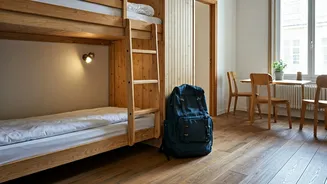
The travel and hospitality industry in the Northeast is quickly adapting to this new demographic. Where traditional hotels once dominated, a growing ecosystem of backpacker hostels, welcoming homestays, and eco-lodges is now flourishing. These establishments not only offer affordable lodging but also provide a social hub for solo travellers to connect if they choose to. Tour companies are also innovating, creating curated solo-friendly packages that handle the logistical challenges of permits and transport while still allowing for individual freedom. This infrastructure development is crucial, making the region more accessible and lowering the barrier to entry for those contemplating their first solo adventure.