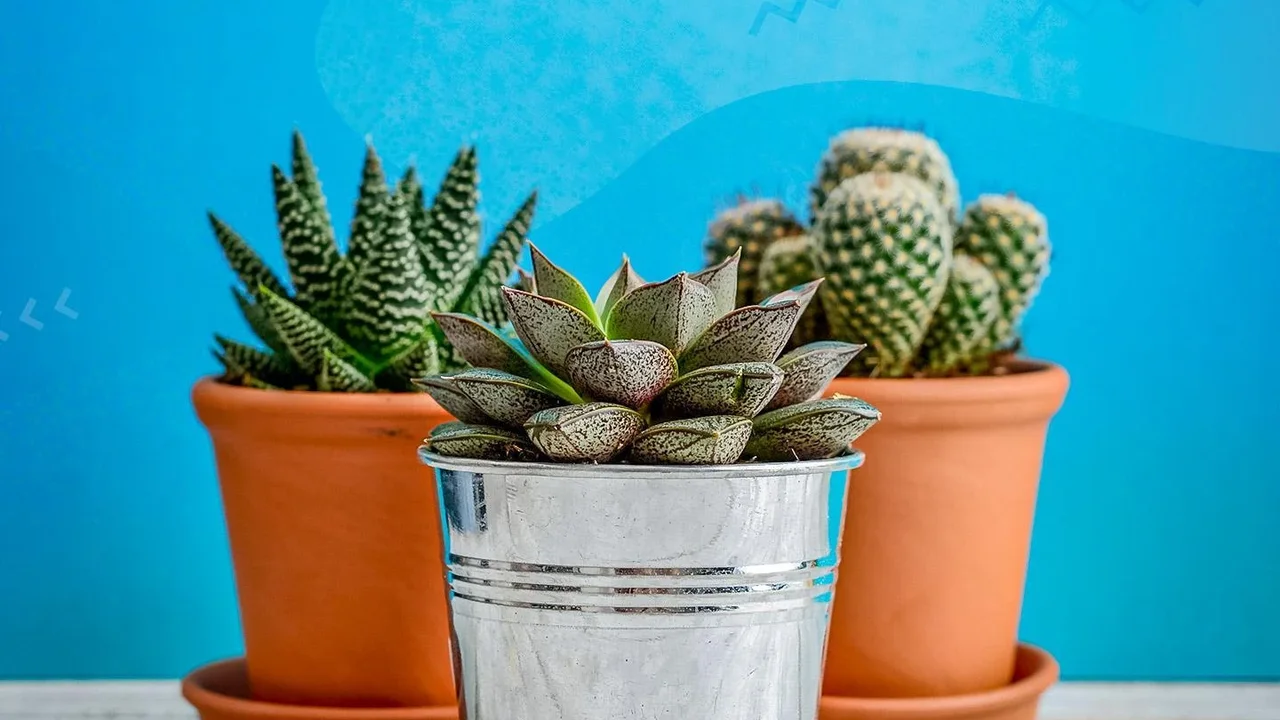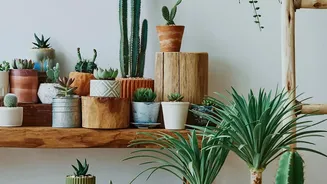





The low-maintenance allure of cacti and succulents makes them a top pick for new plant parents. But their unique needs can be deceptive. The secret to success isn't neglect; it's mastering one crucial skill: watering. Here’s how to do it right.
The Golden Rule: Ditch the Schedule
The most
common mistake beginners make with desert plants is treating them like other houseplants. Cacti and succulents are built to survive droughts, storing water in their fleshy leaves and stems. This means they are far more sensitive to overwatering than underwatering. The number one rule is to never water on a fixed schedule, like every Sunday. Factors like light, temperature, pot size, and time of year all change how quickly the soil dries. Instead of following a calendar, learn to read your plant and its soil. When in doubt, it is always better to wait a few more days before reaching for the watering can.
Master the 'Soak and Dry' Method
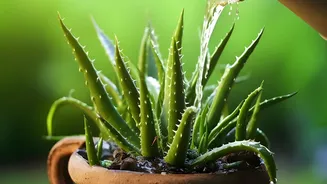
Forget misting with a spray bottle, which can lead to rot on the leaves and only wets the surface. The most effective technique is called the 'soak and dry' method, which mimics a desert downpour. When it's time to water, do so thoroughly. Pour water over the entire soil surface until it flows freely from the drainage holes at the bottom of the pot. This ensures the entire root system gets access to moisture. After the deep soak, allow the pot to drain completely. Never let it sit in a saucer full of water, as this will suffocate the roots and lead to rot. Then, the 'dry' part begins: do not water again until the soil is 100% dry from top to bottom.
How to Know When It's Time to Water
So, how do you know the soil is completely dry? The most reliable method is to check with your finger; stick it about an inch or two into the soil. If you feel any moisture, wait. For deeper pots, a wooden skewer or chopstick can be used like a dipstick. Push it to the bottom of the pot—if it comes out clean and dry, it's time to water. Another sign is the weight of the pot; a pot with dry soil will feel noticeably lighter than one with moist soil. Some plants also give visual cues. The leaves might look slightly wrinkled, shriveled, or feel less firm than usual, indicating they're starting to use up their water reserves.
Spotting the Danger Signs
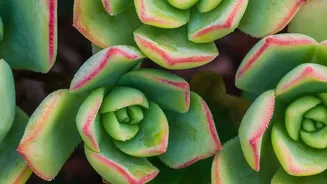
It’s crucial to distinguish between an under-watered plant and an over-watered one. An under-watered succulent will have wrinkled, deflated-looking leaves that feel soft but not mushy. This is easily fixed with a thorough watering. Over-watering is far more dangerous. The signs include leaves that look yellow, translucent, and feel soft and soggy to the touch. They may fall off at the slightest touch. If you see these signs, your plant may be suffering from root rot, a condition where roots suffocate and decay in perpetually wet soil. At this point, you must stop watering immediately and let the soil dry out completely.
Your Pot and Soil Are Part of the System
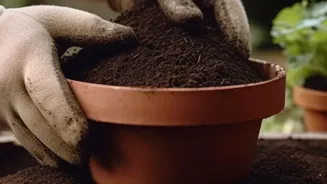
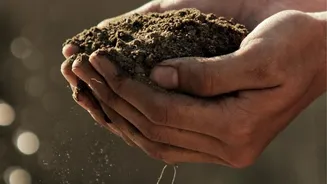
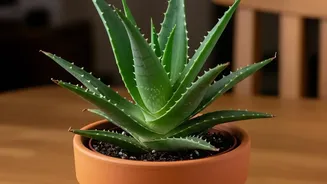
Proper watering is impossible without the right foundation. First, your pot must have drainage holes. This is non-negotiable for beginners, as it allows excess water to escape. Terracotta pots are an excellent choice because the porous material helps the soil dry out faster. Second, never use standard potting soil, which retains too much moisture. You need a special, fast-draining cactus or succulent mix. These mixes contain ingredients like sand, perlite, or pumice to ensure water drains quickly and allows air to reach the roots.