




Understanding Official Weather Alerts
Before you even think about starting your journey, the India Meteorological Department (IMD) should be your first point of reference. The IMD issues colour-coded weather warnings that are simple to understand and crucial for safety. Green means 'No Warning,'
and all is well. Yellow indicates 'Be Aware,' suggesting you should stay updated as conditions might worsen. An Orange alert means 'Be Prepared' for potentially disruptive weather that could impact travel and power. The highest alert is Red, which means 'Take Action'. A red alert signals extremely severe conditions that pose a significant threat to life and property, and all non-essential travel should be cancelled.
Assess Your Route and Local Conditions
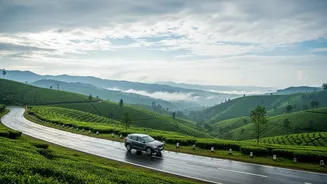
An official forecast gives a broad picture, but local conditions can vary. Heavy rainfall that might be manageable in one area could cause severe waterlogging or landslides in another. Use real-time traffic applications to check for waterlogged streets, traffic jams, and road closures on your intended route. Hilly or low-lying areas are particularly vulnerable. If your journey involves passing through such terrain, it’s vital to be extra cautious and check for specific local advisories. Postponing your trip might be the wisest decision if the route is known for being hazardous during monsoons.
Preparing Your Vehicle for the Rain
If travel is unavoidable, ensuring your vehicle is rain-ready is non-negotiable. Start with the basics: check that your tyres have adequate tread depth and are properly inflated to handle slippery roads. Your windshield wipers must be in excellent condition, able to clear water without leaving streaks that impair vision. Test all your lights—headlights, taillights, and indicators—as visibility is severely reduced during a downpour for both you and other drivers. Using your low-beam headlights even during the day can significantly increase your visibility to others.
Safe Driving Techniques in Downpours
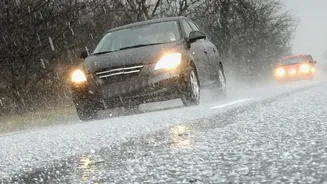
Driving in heavy rain demands a complete adjustment of your driving style. The most important rule is to slow down. High speeds dramatically increase the risk of hydroplaning, where your tyres lose contact with the road surface. Increase the following distance between you and the vehicle ahead to at least four seconds, as braking distances are much longer on wet roads. Avoid sudden braking or sharp turns. It is also strongly advised to turn off cruise control, as it can cause the vehicle to accelerate if you start to hydroplane. If you encounter a flooded road, do not attempt to drive through it. It only takes a few inches of flowing water to cause you to lose control, and deeper water can sweep a car away entirely.
Your Monsoon Emergency Car Kit
Being prepared for the worst can make a huge difference if you get stranded. Your car's emergency kit should be updated for monsoon conditions. Essential items include a powerful flashlight with extra batteries, a first-aid kit, and a fully charged power bank for your phone. Pack non-perishable snacks and sufficient drinking water. A tow rope, jumper cables, and a basic toolkit can be lifesavers in case of a breakdown. It’s also wise to keep a waterproof poncho or raincoat and a change of clothes in the car. Storing important documents in a waterproof pouch is another smart precaution.