


A New Space Race, Powered by Policy
For decades, India's space ambitions were piloted almost exclusively by the Indian Space Research Organisation (ISRO). But a new era has begun. The Indian Space Policy 2023 has officially opened the doors for private companies to participate in everything
from satellite manufacturing to launch services. This isn't about privatizing ISRO; it's about expanding the entire ecosystem. The government's goal is to grow India's share of the global space economy from its current $8.4 billion to $44 billion by 2033. This ambitious target cannot be met by ISRO alone, creating a massive demand for private capital, innovation, and, most importantly, skilled professionals. With over 400 private space startups now registered, the race for talent is on.
The Engineers Building the Future
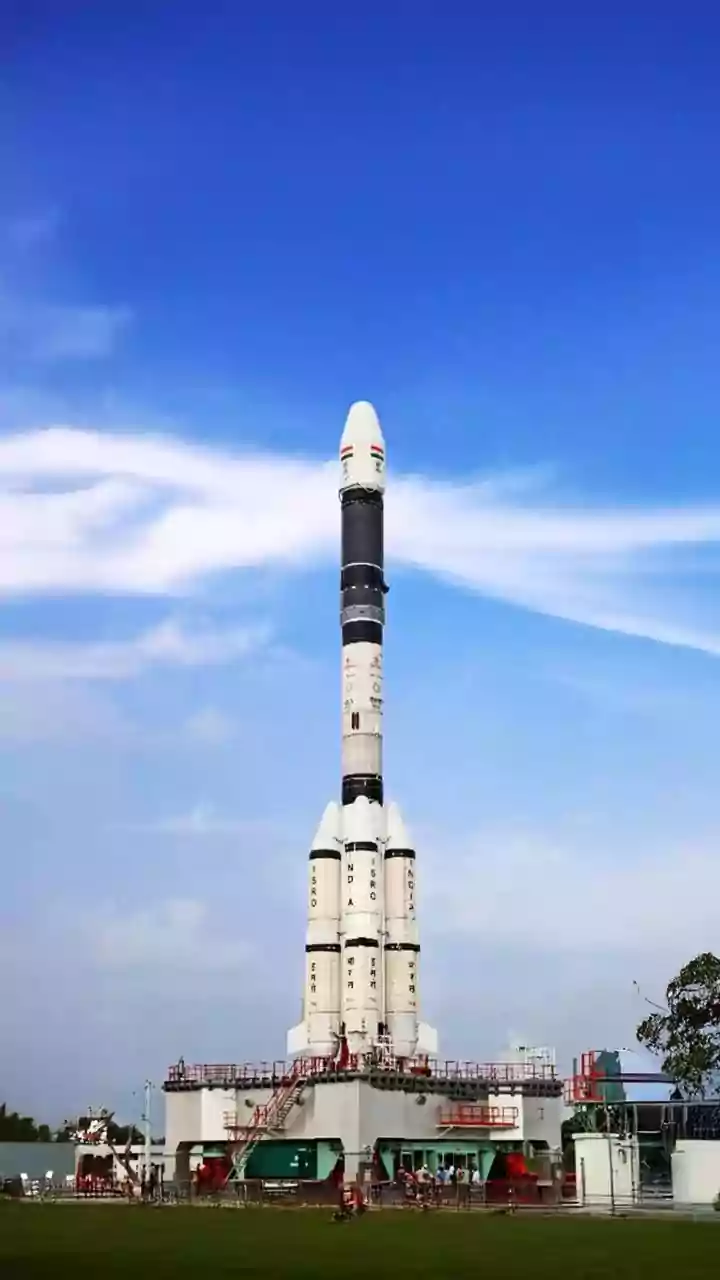
When we think of space engineering, aerospace engineers are the first to come to mind. While they remain crucial, the demand is much broader now. Startups like Skyroot Aerospace and Agnikul Cosmos are developing their own launch vehicles, creating a need for propulsion, structural, and guidance and control systems engineers. But the opportunities extend further into mechanical, electrical, and computer science engineering. Modern spacecraft are as much about software as they are about hardware. This requires avionics specialists to design the electronic systems and software engineers to write the code that runs everything from flight controls to communication, making these roles indispensable.
The Downstream Data Deluge
One of the fastest-growing areas in the space economy isn't about launching rockets, but interpreting the vast amounts of data they send back. Companies like Pixxel are building constellations of Earth-observation satellites that monitor everything from crop health to urban expansion and climate change. This creates a surge in demand for data experts who can transform raw satellite imagery into valuable insights. Key roles include data scientists, remote sensing engineers, and Geographic Information System (GIS) analysts. These professionals, often skilled in Python, machine learning, and geospatial analysis, are the bridge between space technology and its real-world applications in agriculture, insurance, and disaster management.
The Specialists Who Connect the Systems
A successful space mission relies on countless complex parts working together flawlessly. This is where systems specialists come in. These professionals are the master integrators, ensuring that hardware, software, ground control, and communication networks all function as a cohesive whole. A key role in this domain is the Systems Engineer, who oversees the entire lifecycle of a project, from initial design to final testing and operations. As private companies take on more end-to-end missions, the need for experienced systems integration professionals and mission operations managers is becoming critical. They are responsible for everything from assembly and testing on the ground to managing the spacecraft once it's in orbit, making them the glue that holds the entire operation together.
Where the Jobs Are and What's Next
The hiring landscape is no longer limited to ISRO. While the national agency continues to recruit, hundreds of startups and established private companies are now major employers. Bengaluru has emerged as the primary hub, with significant activity also in Hyderabad, Chennai, and Pune. Companies like Tata Advanced Systems, Skyroot, Agnikul, and Dhruva Space are actively hiring. Looking ahead, the industry is projected to create over 200,000 new jobs by 2033. This growth is fueled by upcoming milestones like the Gaganyaan human spaceflight mission and the development of India's own space station, ensuring a sustained demand for a new generation of space professionals.