




Embrace Immunity-Boosting Foods
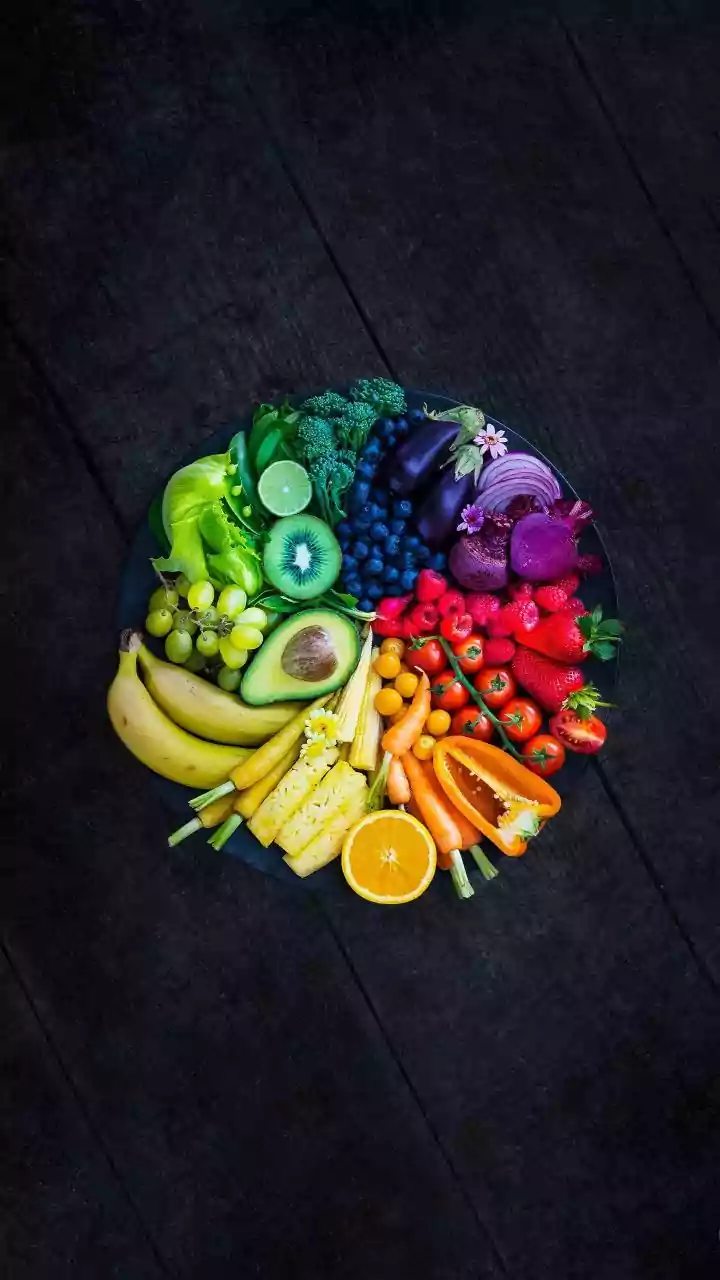
Strengthening your body's natural defences is the first step to a healthy monsoon. Incorporate traditional powerhouses like ginger, garlic, and turmeric into your daily cooking. These ingredients have natural anti-inflammatory and antibacterial properties
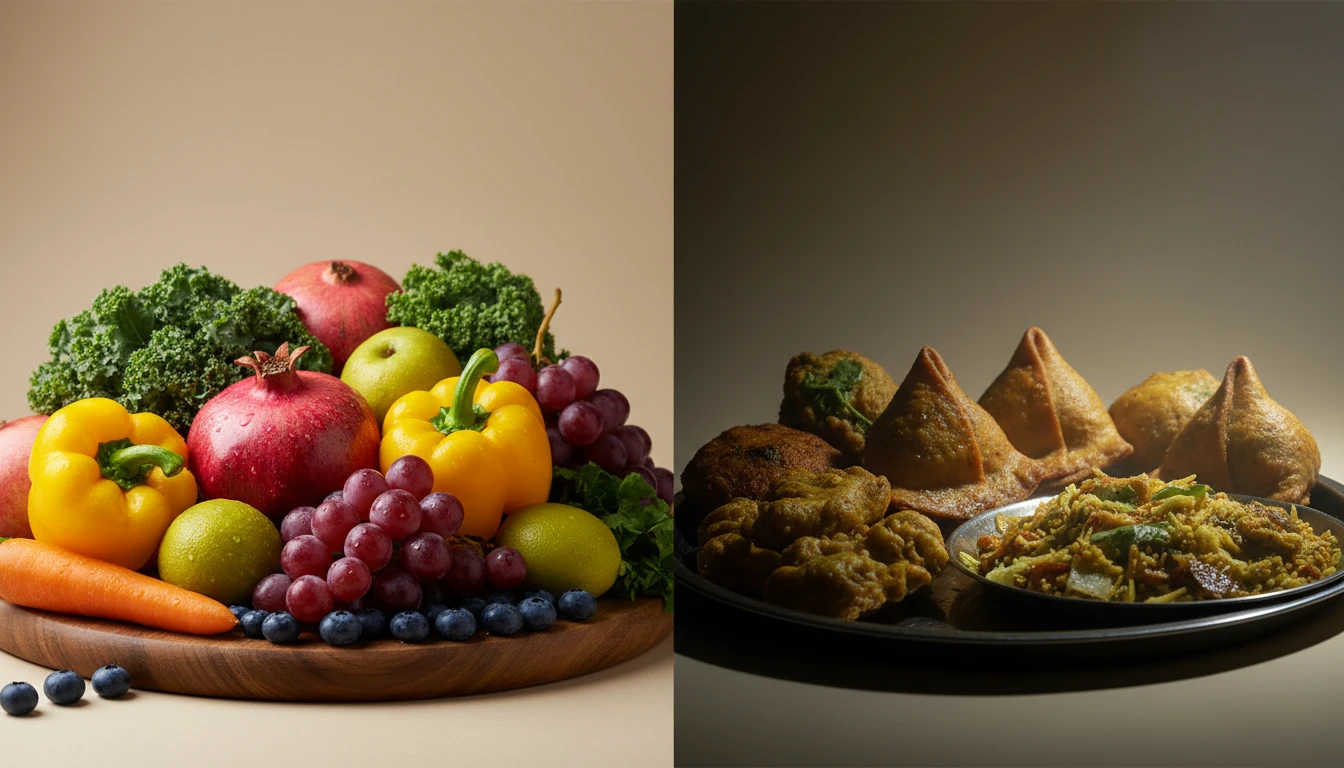
that are invaluable this season. Focus on seasonal fruits that are rich in Vitamin C and antioxidants, such as pomegranates, apples, and papaya. A daily handful of nuts and seeds like almonds and walnuts can provide essential omega-3 fatty acids and zinc, further supporting your immune system. Warm, light, home-cooked meals are your best friends; think comforting soups, dals, and khichdi, which are easy on the digestive system.
Be Cautious with Raw and Leafy Greens
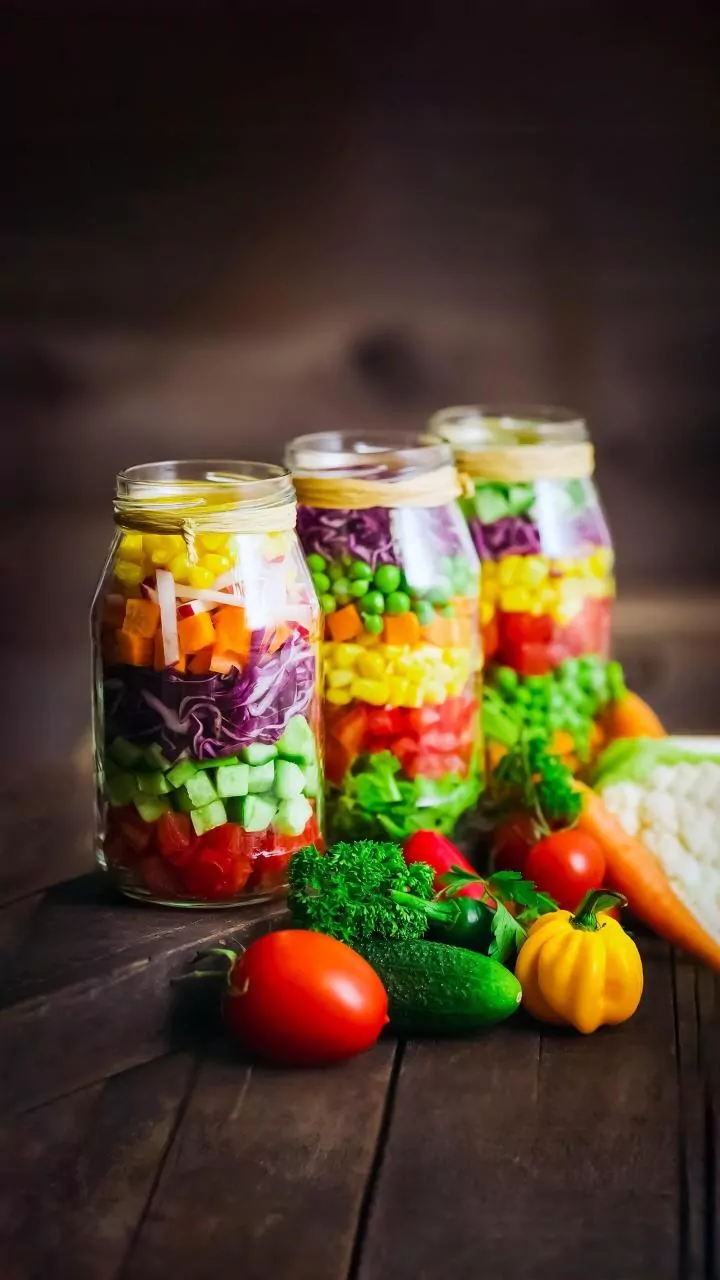
While normally healthy, leafy green vegetables like spinach and cabbage require extra caution during the monsoon. They grow in damp conditions and their leaves can trap dirt and microbes that are hard to wash away, increasing the risk of contamination. It's widely recommended to limit their consumption or ensure they are washed meticulously and cooked thoroughly. Soaking vegetables in a solution of salt water or vinegar before cooking can help. Similarly, avoid raw salads when eating out, as the risk of contamination from unpurified water is high. Opt for steamed or stir-fried vegetables instead to enjoy their benefits safely.
Choose Proteins and Dairy Wisely
The rainy season is generally considered the breeding season for fish, which can affect the freshness and quality of seafood available. Many experts advise reducing seafood intake during these months. Heavy red meats can also be hard to digest when the body's metabolism is naturally slower. Instead, lean towards lighter proteins that are easier to process. Well-cooked chicken in soups or stews, and plant-based proteins like moong dal, lentils, and chickpeas are excellent choices. When it comes to dairy, fresh, homemade curd or buttermilk can be beneficial for gut health in moderation, but it's best consumed during the day. Avoid dairy products from outside sources where storage temperatures might be inconsistent.
Hydrate Smartly, Stay Safe
Hydration is key, but the source of your water is critical during the monsoon, when waterborne diseases are on the rise. Always drink boiled or properly purified water. This is not the time to take chances with tap water or ice from unknown sources. Instead of cold, sugary drinks, switch to warm beverages. Herbal teas made with ginger, tulsi, or cinnamon not only hydrate but also provide warmth and can help fight infections. Warm vegetable soups and broths are another excellent way to increase your fluid intake while getting a dose of nutrients.
The Street Food Dilemma: A Strategy for Cravings
Cravings for hot pakoras on a rainy day are almost a cultural tradition, but street food is a major source of monsoon illnesses. The primary risks come from contaminated water used in chutneys and drinks, and food being left exposed in humid conditions. If you must indulge, have a clear strategy. Always choose items that are freshly cooked at high temperatures in front of you, like roasted corn on the cob (bhutta), hot pakoras, or steamed idlis. Completely avoid high-risk items like pani puri, pre-cut fruits, and any chaat with raw chutneys. The safest bet is to recreate your favourite street food snacks at home where you can control the hygiene and ingredients.
Kitchen Hygiene Is Non-Negotiable
A healthy monsoon diet starts with a clean kitchen. The high humidity can cause food to spoil faster and encourages fungal growth. Wash all fruits and vegetables thoroughly under running water, even those with peels. Use separate cutting boards for raw meat and vegetables to prevent cross-contamination. Ensure that cooked food is not left at room temperature for more than a couple of hours and is refrigerated promptly in sealed containers. These simple habits are crucial for preventing foodborne illnesses and ensuring that the nutritious food you prepare stays safe to eat.