






After running for a record two days into overtime, the COP31 climate summit in Antalya, Turkey, has collapsed. For the first time in 17 years, nations failed to sign a joint agreement, leaving the world without a collective roadmap. What went so wrong?
The Fight Over Three Words
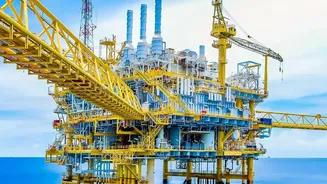
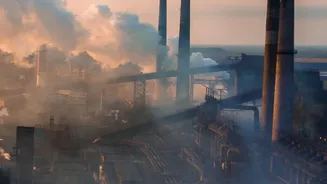
The entire agreement ultimately fell apart over a single, crucial issue: fossil fuels. The final draft of the agreement, known as the Antalya Pact, failed to include any mention of transitioning away from oil, gas, and coal. This was a red line for the European Union and a coalition of climate-vulnerable nations, including many Pacific island states. They refused to endorse a text they saw as a significant step backward, arguing that it's impossible to tackle climate change without naming its primary cause. On the other side, oil and gas-producing nations like Saudi Arabia and Russia strongly opposed any language committing to a fossil fuel 'phase-out'. They argued instead for focusing on technologies like carbon capture, which critics say is unproven at scale and risks prolonging the fossil fuel era. This fundamental disagreement created an unbridgeable divide.
The Billion-Dollar Stalemate
Alongside the fossil fuel debate, the perennial issue of money created another major deadlock. Developing countries, which have contributed least to historical emissions but often suffer the most from climate impacts, arrived demanding concrete financial commitments from wealthier nations. These funds are needed for two key purposes: adaptation, which means preparing for impacts like floods and heatwaves, and mitigation, which involves transitioning to greener energy. Developing nations argued that they cannot be expected to abandon fossil fuels without massive financial support for this transition. An Indian negotiator noted that the topic of climate finance was essentially 'dead in the water', with developed countries refusing to engage meaningfully on new targets. The lack of progress on a new collective finance goal left a deep sense of mistrust.
What About Loss and Damage?
A third critical point of failure was the 'Loss and Damage' fund. Established at previous summits, this fund is meant to compensate the most vulnerable nations for climate-related disasters they can no longer adapt to. However, the fund remains drastically under-resourced. Developing countries highlighted that the fund has received requests totalling nearly $3 billion but has only around $342 million available. They fought to secure new, substantial contributions, but the talks ended with no breakthrough on funding. This failure was a profound disappointment for nations already facing existential threats from rising sea levels and extreme weather, who feel they are being left to pay the price for a crisis they did not create.
Why This Failure Matters for India
The collapse at COP31 has direct and serious implications for India. As a nation acutely vulnerable to heatwaves, floods, and droughts, the failure to secure more funding for adaptation is a major blow. India has long argued for 'climate justice', emphasizing the historical responsibility of developed nations to lead and finance the energy transition. At the summit, India's representatives questioned who was truly responsible for exhausting the global carbon budget and resisted pressure to adopt measures that could hinder its economic development without adequate financial support. The lack of a global agreement leaves India in a difficult position, navigating its path to development while facing increasing climate risks and pressure to decarbonize, all without the promised international support materializing.