








What is El Niño?
El Niño is a naturally occurring climate phenomenon characterized by the unusual warming of sea surface temperatures in the central and eastern equatorial Pacific Ocean. Though it originates thousands of kilometers away, this warming alters global atmospheric
circulation patterns. For India, this typically weakens the trade winds that carry moisture from the ocean to the subcontinent, often resulting in a weaker southwest monsoon, which delivers about 70-80% of the country's annual rainfall. Current forecasts indicate a high probability that this El Niño will become a 'strong' or 'very strong' event, persisting through the end of 2026 and into early 2027.
The Threat to India's Harvest
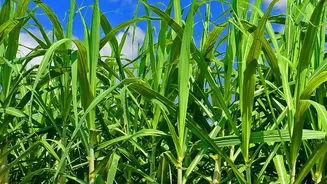
India's agriculture, which employs nearly half the workforce, is deeply vulnerable to monsoon fluctuations. A deficient monsoon directly threatens the Kharif (summer) crops, such as rice, pulses, and oilseeds, which are predominantly rain-fed. Poor or delayed rainfall reduces soil moisture, which can delay sowing and ultimately lower crop yields. More than half of India is already grappling with drought conditions, which is putting standing Kharif crops under severe stress. Past El Niño years have seen significant drops in agricultural output, leading to concerns about food price inflation and a slowdown in the rural economy.
Strain on Water Reservoirs
The impact of a weak monsoon extends far beyond the farm. India's major water reservoirs, critical for drinking water, irrigation for the subsequent Rabi (winter) crops, and hydroelectric power, depend almost entirely on monsoon rains for replenishment. An erratic monsoon season has already left the country's reservoirs drier than usual. As of early September 2026, water levels in 161 key reservoirs were billions of cubic metres short of the previous year's levels. This deficit is particularly stark in southern India, which has seen a sharp decline in reservoir storage. The shortfall not only risks urban water crises but also reduces hydropower generation, putting additional pressure on the power grid.
An Amplified Risk
While not every El Niño year results in a drought, the link between the two is well-established. Recent studies suggest that global warming may be strengthening El Niño's impact, projecting that an event of the same intensity could cause a greater reduction in monsoon rainfall now than in the past. The monsoon in 2026 has already been erratic, with a significant rainfall deficit recorded across the country. States in the south and northeast have been particularly hard-hit. The combination of a powerful El Niño and other local weather factors has created a precarious situation for the remainder of the season and beyond, as the event is expected to peak in the coming months.
Is India Prepared?
The government is actively monitoring the situation. The Prime Minister's Office has reviewed preparedness, directing ministries to coordinate with states to minimise the impact on farming and the economy. Authorities have identified over 300 vulnerable districts, with a special focus on 111 high-priority districts with poor irrigation facilities. Contingency plans include promoting the use of drought-resistant and less water-intensive crops like millets and pulses, ensuring the availability of seeds, and disseminating scientific advisories to farmers. Additionally, efforts are underway to strengthen water conservation through programs like MGNREGA to repair and restore ponds and other water-harvesting structures.