



The Great Indian Protein Pivot
A quiet revolution is unfolding in India’s pantries and shopping carts. Once the domain of gym enthusiasts and bodybuilders, protein has firmly entered the mainstream, driven by a surge in health consciousness among urban consumers. This shift is fueled
by rising disposable incomes, increasingly sedentary lifestyles, and a greater awareness of nutritional gaps in the average Indian diet. Influencers on social media platforms like Instagram have also played a significant role, popularising health-centric food trends and making nutrition a key topic of conversation. As a result, consumers are no longer just seeking taste or convenience in their snacks; they are actively looking for functional foods that contribute to their wellness goals.
From Murukku to Macro-Focused Bites
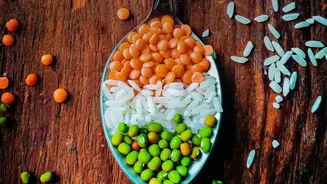
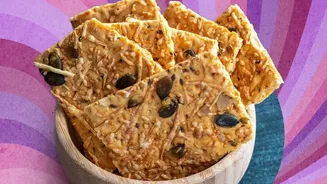
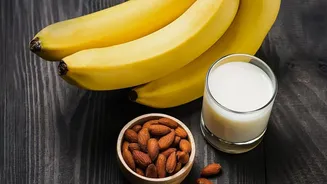
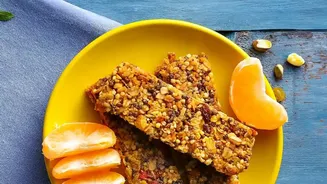
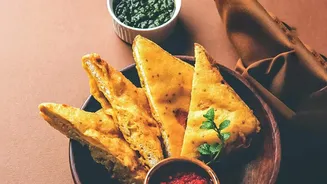
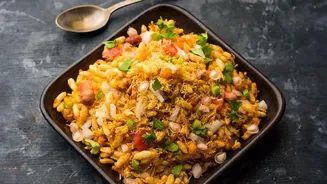
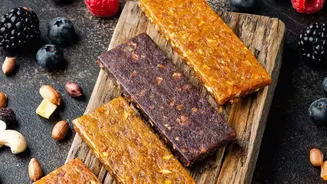
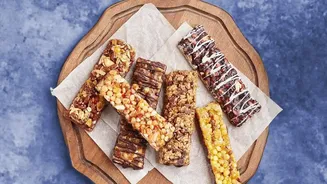
So, what does this new snack landscape look like? It’s a mix of modern innovation and traditional reinvention. The market is buzzing with new products like protein bars, chips made from lentils or chickpeas, and ready-to-drink protein shakes. At the same time, traditional favourites are getting a high-protein makeover. Companies are launching protein-fortified versions of everyday staples, such as dosa batter, atta, and even coffee. The dairy aisle has seen a particularly dramatic transformation, with Greek yogurt, protein-rich milk, and high-protein paneer and curd becoming widely available. These products offer a convenient way for consumers to increase their protein intake without drastically altering their eating habits.
An Expanding Market
Food companies, from large FMCG giants to agile startups, have been quick to respond. One quick commerce platform reported a 150% surge in protein-related orders over two years, expanding its offerings to nearly 10,000 different products to meet demand. The numbers paint a clear picture of growth: India's protein-based product market was valued at over ₹38,000 crore in 2024 and is projected to grow significantly, with some estimates suggesting it could reach nearly ₹1.36 lakh crore by 2033. This boom isn't just confined to major metropolitan areas. While cities like Bengaluru lead in overall demand, the fastest growth is now being seen in Tier II cities like Nagpur, Jaipur, and Guwahati, indicating a nationwide shift.
Not All Protein Snacks Are Created Equal
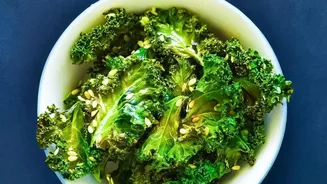
While the focus on protein is a positive step towards better nutrition, it's important for consumers to look beyond the front-of-package claims. Many products marketed as 'high-protein' can also be high in sugar, unhealthy fats, and sodium, effectively cancelling out the health benefits. Experts advise consumers to read nutrition labels carefully and consider the overall ingredient list. Sometimes, simple, traditional snacks like roasted chana, sprouts, or a bowl of plain curd can be more nutritious than a highly processed protein bar. The key is to choose snacks that are not only rich in protein but also made with whole, minimally processed ingredients.