




What’s the Scoop on Protein Ice Cream?
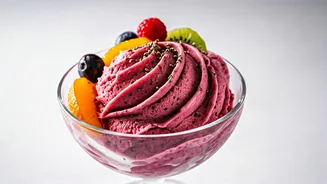
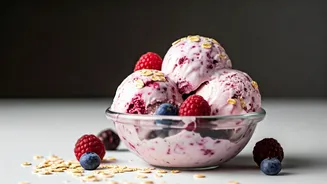
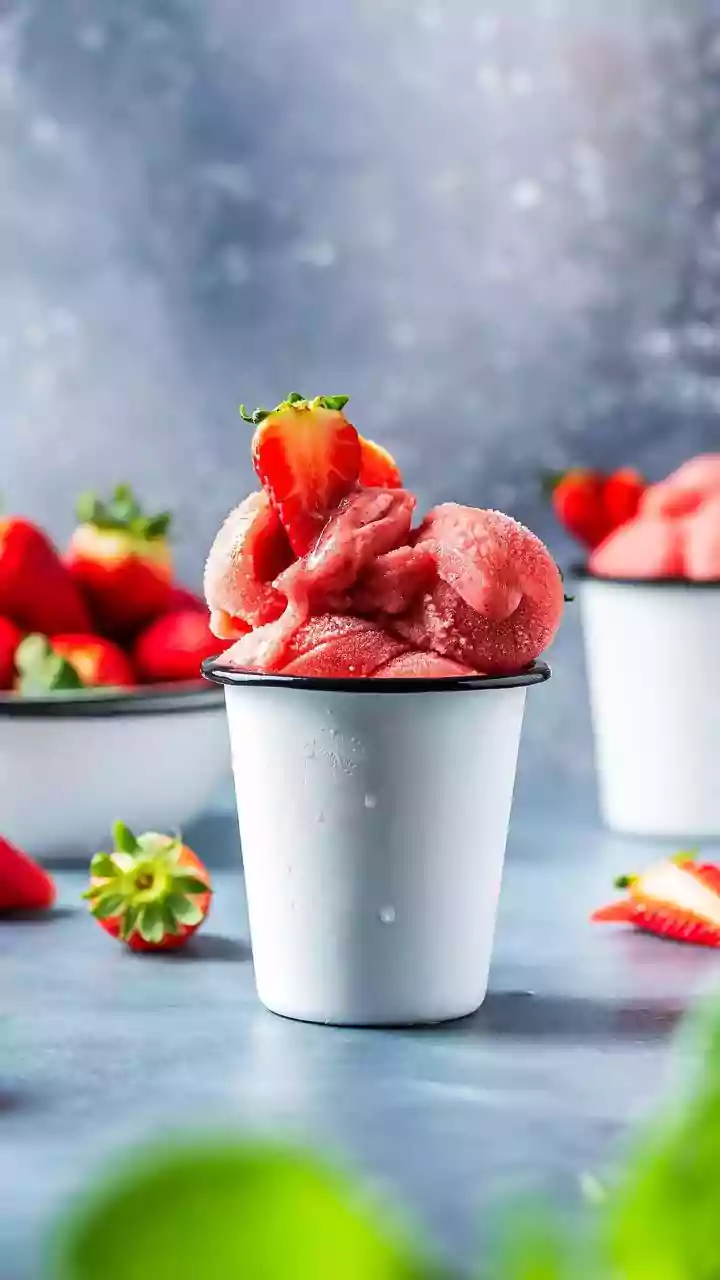
High-protein ice cream is a frozen dessert specifically formulated to be higher in protein and often lower in calories and sugar than its traditional counterpart. While regular ice cream typically contains 2-5 grams of protein per serving from milk, these
newer versions are fortified with added protein sources like whey or casein concentrate, and even plant-based options like soy or pea protein. The goal is to offer a treat that aligns with a health-conscious lifestyle, particularly for urban consumers who want to indulge without straying from their nutritional goals. This trend has rapidly gained traction in India, where a new generation of consumers is increasingly reading labels and demanding healthier alternatives to their favourite foods.
The Sweet Perks: Why the Hype?
The primary appeal of protein ice cream is its alignment with fitness goals. Protein is essential for muscle repair and growth, making this dessert a popular post-workout treat. The higher protein content also promotes satiety, meaning it can help you feel fuller for longer compared to high-sugar snacks, which can help manage cravings. For individuals managing their sugar intake, many of these ice creams use substitutes like stevia or monk fruit, resulting in a lower sugar content. This makes it an attractive option not just for gym-goers, but for anyone looking for a smarter way to satisfy a sweet tooth. The lower calorie count in many brands can also make it easier to fit dessert into a calorie-controlled diet.
The Not-So-Sweet Truth: Is It Actually Healthy?
While “high-protein” and “low-sugar” sound great, it doesn't automatically make these ice creams a health food. To make these products taste good without the usual sugar and fat, manufacturers often rely on a long list of other ingredients. These can include sugar alcohols like erythritol, artificial sweeteners, and various gums and thickeners to mimic the creamy texture of traditional ice cream. For some people, these additives, particularly sugar alcohols, can cause digestive issues like bloating and gas when consumed in large quantities. The term 'healthy' is subjective; while these products can be a better alternative to regular ice cream, they shouldn't be seen as a replacement for whole, nutrient-rich foods.
Reading the Label: How to Choose a Good Pint
When you're in the freezer aisle, the nutrition label is your best friend. Don't just look at the protein content. Check the serving size, as it's often smaller than you might think. Pay attention to the sugar content, even if it's low—see what sweeteners are being used. Look for a recognisable and minimal ingredient list. A good rule of thumb is to aim for a product with at least 10 grams of protein per serving and minimal added sugars and unfamiliar additives. In India, several homegrown brands like Get-A-Way, Go Zero, and Papacream have entered this space, offering everything from whey-protein-based options to vegan and keto-friendly tubs, giving consumers plenty of choices.
The Final Verdict: A Treat, Not a Health Food
So, should you swap your regular ice cream for a high-protein version? It depends on your goals. If you're looking for a dessert that offers some functional benefits, like extra protein, and has fewer calories and sugar, it can be a smart swap. It's an excellent way to enjoy a treat without feeling like you've completely derailed your diet. However, it's crucial to remember that it's still a dessert. The best sources of protein remain whole foods like lean meats, eggs, lentils, and beans. Enjoy high-protein ice cream for what it is: a more thoughtfully formulated indulgence that can fit into a balanced lifestyle, but not something you should rely on for your daily nutritional needs.