


From Text to Technicolor
The way Indians research travel has fundamentally changed. Where text-based reviews and static photos once dominated, immersive video content is now king. A recent Google and Kantar report highlighted that a staggering 68% of Indian travellers use YouTube
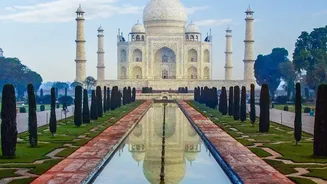
for trip inspiration. This move from reading about a destination to seeing it in motion provides a layer of visual confirmation that static guides cannot match. Travellers are no longer just looking for a list of sights; they want to feel the vibe of a place before they book a ticket. Platforms like YouTube and Instagram Reels offer a dynamic preview, showcasing everything from the view from a hotel window to the energy of a local market, making the destination feel more tangible and attainable.
The Rise of the Relatable Creator
A key driver of this trend is the perceived authenticity of travel vloggers. Unlike glossy marketing campaigns from tourism boards, content creators offer a personal, and often unvarnished, perspective. Studies show that Indian tourists are significantly influenced by these creators. Research indicates that amateur vlogs can be more effective at sparking the initial desire to visit a place than official marketing content. Viewers build a sense of trust with a vlogger whose travel style, budget, or interests mirror their own. This connection makes their recommendations feel more like advice from a friend than a corporate advertisement, with 59% of travellers who follow creators saying they are highly influential in their planning process.
Beyond the Bucket List
Online travel videos offer more than just cinematic shots of popular landmarks. They provide practical, granular details that are crucial for planning. Vloggers often share real itineraries, detailed cost breakdowns, local transportation tips, and honest food reviews. This type of user-generated content (UGC) is highly valued, with one study noting that 72% of young Indian travellers trust UGC over promotional content from travel agencies. This detailed, on-the-ground information helps reduce the perceived risks of travel, especially for those venturing to offbeat or lesser-known destinations. It answers the unstated questions: "What does it actually cost?", "Is it safe for a solo traveller?", and "Where do the locals really eat?"
Serving Every Niche
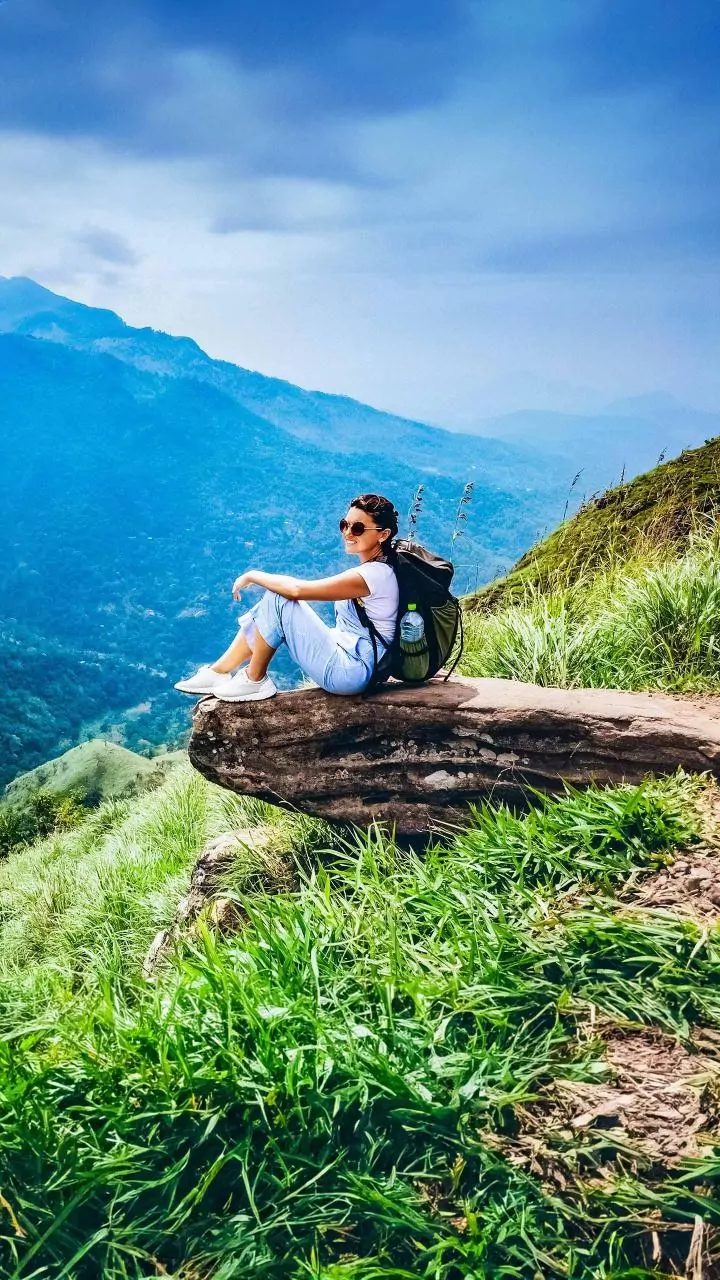
The vast ecosystem of online video ensures there is a creator for every type of traveller. Whether someone is looking for luxury getaways, extreme budget backpacking guides, family-friendly holidays, or solo female travel inspiration, there is a vlogger documenting that exact experience. This hyper-specialisation allows viewers to find content that is incredibly relevant to their specific needs and aspirations. This trend has empowered travellers to explore destinations and experiences that were previously overlooked by mainstream tourism marketing, contributing to the rise of interest in offbeat locales and unique activities like wellness retreats or adventure sports.
The Industry Takes Notice
The travel industry has had to adapt to this new reality. With 85% of travellers preferring to book online, the entire customer journey is now digitally driven. Hotels, airlines, and destination marketing organisations are increasingly collaborating with influencers to bridge the gap between their services and potential customers. They understand that being featured in a popular travel vlog can lead to a direct increase in bookings and footfall. While online research is dominant, there's still a place for expertise, with many travellers using a hybrid 'phygital' approach—researching online and then consulting an agent to finalise complex bookings.