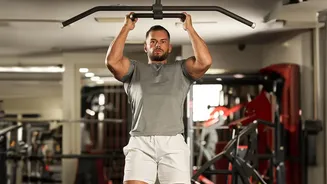








The image of fitness is changing. Gone are the days when 'working out' only meant cardio. A new, more inclusive approach is taking over, with resistance training leading the charge as a flexible and powerful tool for long-term health.
More Than Just Lifting Heavy
When you hear 'resistance
training', you might picture bodybuilders lifting heavy weights. But the modern reality is far more diverse and accessible. Resistance training, also known as strength training, is simply any exercise that makes your muscles work against an opposing force. This force doesn't have to come from a barbell. It can be your own body weight in exercises like squats and push-ups, the tension from resistance bands, or even the weight of household items. This flexibility is a major reason for its rising popularity. People are realising they don't need an expensive gym membership to build strength; effective workouts can be done at home, in a park, or wherever they feel comfortable. This shift is redefining fitness from a niche pursuit to a mainstream lifestyle choice across India.
The Science-Backed Health Benefits
The move towards strength training is backed by a growing body of scientific research highlighting its profound health benefits. It’s a powerful tool for building and maintaining lean muscle mass, which is crucial because muscle tissue burns more calories at rest, boosting your overall metabolism. But the advantages go far beyond weight management. Regular resistance training helps increase bone density, reducing the risk of osteoporosis, a condition that weakens bones and is a major concern as we age. Furthermore, it plays a vital role in managing chronic conditions like type 2 diabetes, heart disease, and arthritis. Studies also show a strong link between strength training and improved mental health, including reduced symptoms of depression and anxiety, better sleep quality, and enhanced cognitive function.
A Workout That Ages With You
One of the most compelling aspects of resistance training is its adaptability across every stage of life. For young adults, it builds a strong foundation for the future, improving athletic performance and bone density. In midlife, as metabolism naturally slows and muscle mass begins to decline, strength training becomes an essential tool to counteract these changes, manage weight, and support hormonal balance. For older adults, the benefits are perhaps most critical. It helps preserve muscle mass and strength, which is vital for maintaining independence. By improving balance, mobility, and joint stability, it significantly reduces the risk of falls and related injuries, empowering people to stay active and engaged in their daily lives well into their golden years.
How to Get Started Safely
Starting a resistance training routine can feel intimidating, but the key is to begin slowly and focus on proper form. You don't need any special equipment to begin. Bodyweight exercises are a fantastic starting point. Try incorporating basic movements like sit-to-stand squats (using a chair for support), wall pushups, and glute bridges into your week. Aim for two to three sessions per week, giving your muscles at least 48 hours to recover between workouts. As you get more comfortable and confident, you can gradually increase the challenge by adding more repetitions or sets. Eventually, you might introduce light weights or resistance bands. Most importantly, listen to your body. The goal is consistent, manageable progress, not immediate intensity. A short warmup before and stretching after your workout can also help prevent injury.