


From Sidekick to Superstar
For decades, the lentil papad has been our reliable culinary companion. It’s the crunchy appetiser before a big meal, the satisfying snap alongside dal and rice, and the roasted, low-guilt snack for a rainy afternoon. Its role was always supportive, a dependable
texture and flavour in the background. But in the endlessly creative world of social media food trends, nothing stays in the background for long. Driven by a desire for novelty, nostalgia, and an Instagram-worthy plate, young food enthusiasts are reimagining the papad’s purpose. It’s no longer just a cracker; it’s a foundation. Think of it as the papad’s promotion from a character actor to the star of the show.
Introducing 'Papad Toast'
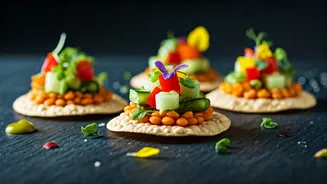
The concept is brilliantly simple: treat a roasted or air-fried papad like a slice of toast or a blini. This gluten-free, protein-rich disc becomes the perfect base for an explosion of flavours and textures. The trend thrives on contrast—the warm, earthy, and brittle papad meets cool, creamy, spicy, or tangy toppings. Part of its genius lies in its accessibility. Anyone can roast a papad, and the 'recipe' is more of an invitation to experiment than a strict set of rules. It’s a low-effort, high-reward culinary adventure that transforms a pantry staple into something that looks and tastes decidedly gourmet. The result is a snack that is both familiar and thrillingly new.
The Global Flavour Fusion
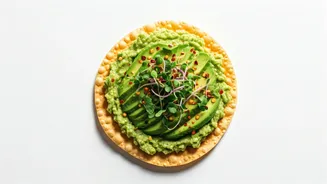
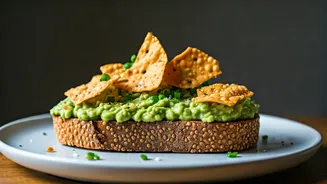
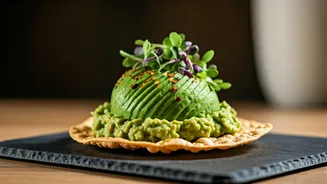
The beauty of the papad toast trend is its incredible versatility. One popular iteration takes cues from Mexican cuisine, piling the papad high with smashed avocado, finely chopped onions and tomatoes (a quick pico de gallo), a dollop of sour cream, and a sprinkle of coriander. It’s essentially a nacho, but with the distinct, smoky flavour of roasted urad dal. Another version leans Italian, treating the papad like a bruschetta base. Imagine a crisp papad topped with fresh mozzarella, chopped cherry tomatoes, basil, and a drizzle of balsamic glaze. These global interpretations work because the papad is a neutral yet flavourful canvas, sturdy enough to hold toppings but delicate enough not to overpower them.
The Desi Remix
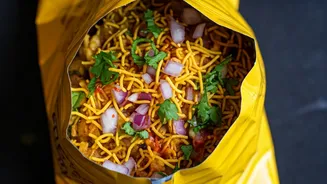
While international flavours are a huge part of the appeal, many are using this trend to remix classic Indian street food concepts. Think of it as an evolution of papad chaat. Instead of just a simple scattering of onions and tomatoes, these creations are more deliberate and layered. A popular combination involves a base of mint-coriander chutney, topped with a generous layer of kachumber salad (cucumber, onion, tomato), a swirl of sweetened yogurt, a sprinkle of crunchy sev, and jewel-like pomegranate seeds. It’s everything you love about chaat—the sweet, spicy, tangy, and crunchy elements—all elegantly presented on a single, edible platter. This approach feels like a modern tribute to the flavours we grew up with.
Why Now? And Why Papad?
Several factors are fuelling this trend. For Gen Z and young millennials, there's a deep-seated appreciation for nostalgia, but with a modern twist. They aren't rejecting tradition; they're remixing it. The papad is a healthy-ish base—it’s often gluten-free, high in protein, and can be roasted or air-fried instead of deep-fried, fitting perfectly into modern wellness trends. Furthermore, in the age of Instagram and TikTok, we eat with our eyes first. A loaded papad is visually stunning, with vibrant colours and textures that are made for the camera. It’s a simple, affordable, and endlessly customisable way to participate in global food culture from your own kitchen, making it the perfect trend for our times.