


The Plant-Based Nutrient Puzzle
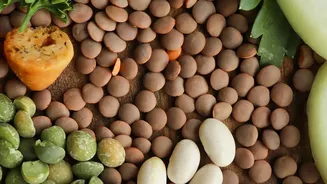
When you eat plant-based proteins like beans, lentils, and tofu, you're getting more than just protein; you're also getting essential minerals like iron. However, plant-based iron, known as non-heme iron, is less easily absorbed by the body than the heme iron found
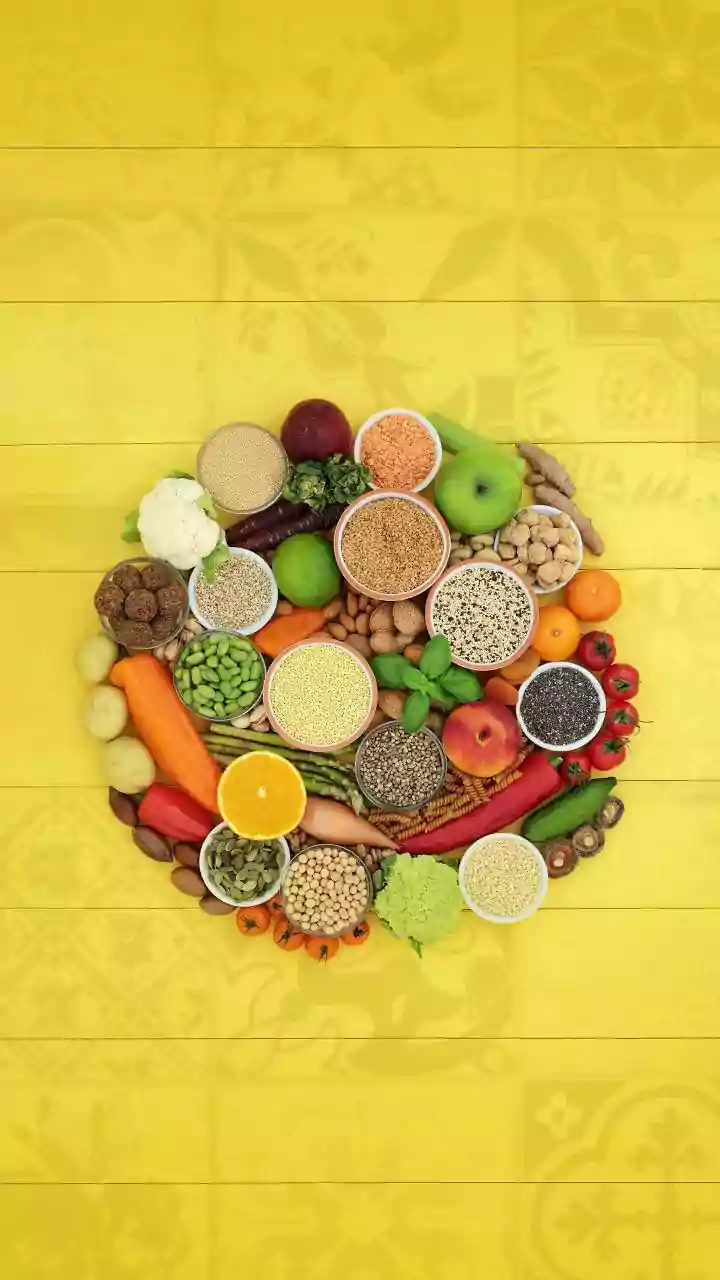
in animal products. Furthermore, many healthy plant foods, including whole grains, legumes, and seeds, contain natural compounds called phytates. These phytates can bind to minerals like iron and zinc in the gut, reducing their absorption and making it harder for your body to access these vital nutrients. This doesn't mean these foods are unhealthy, but it highlights the importance of smart food preparation and pairing to get the most out of your meals.
Vitamin C: The Key to Unlocking Nutrients
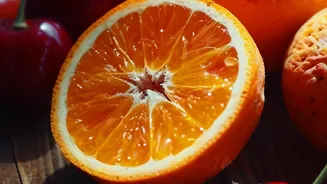
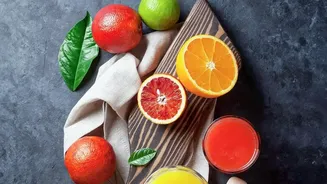
This is where vitamin C comes in. This powerful nutrient, also known as ascorbic acid, is one of the most effective enhancers of non-heme iron absorption. It works in two key ways. First, in the acidic environment of your stomach, it helps convert non-heme iron from its ferric (Fe3+) form into the more soluble and absorbable ferrous (Fe2+) form. Second, it can counteract the inhibiting effects of phytates, forming a protective complex with the iron that keeps it available for absorption as it moves through your digestive system. Studies show that adding even a small amount of vitamin C to a meal can dramatically increase iron uptake, sometimes by as much as six-fold, making it a crucial ally for anyone on a plant-based diet.
Power Pairings for Breakfast
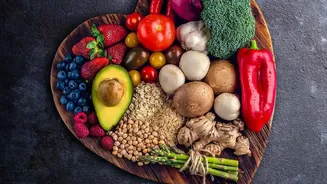
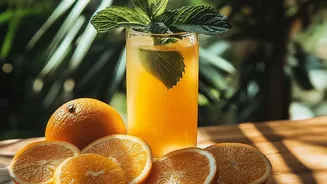
Start your day with a nutrient-absorption boost. Instead of just plain oatmeal, top it with vitamin C-rich fruits. A bowl of oatmeal (a good source of iron) paired with a handful of strawberries or a sliced kiwi can make a significant difference. If you prefer a savoury start, a tofu scramble is a fantastic protein base. Cook it with chopped bell peppers (especially the red and yellow varieties), tomatoes, and a side of broccoli. Even a simple glass of orange juice alongside your iron-fortified breakfast cereal can help your body make better use of the iron it contains.
Smart Combinations for Lunch and Dinner
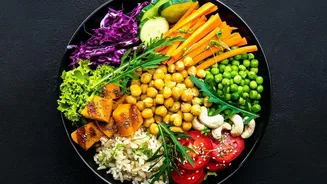
Creating balanced meals for lunch and dinner is easy with the right pairings. A hearty lentil soup is a classic for a reason; make it even better by squeezing fresh lemon juice over it just before serving. Building a grain bowl? Start with quinoa, a complete protein source, and add black beans or chickpeas. Then, load it up with vitamin C sources like steamed broccoli, chopped tomatoes, or a lemon-tahini dressing. Another simple and effective meal is a classic bean burrito or chili. The tomatoes and peppers in the salsa and chili base are rich in vitamin C, naturally enhancing the iron from the beans.
Snacks That Work Harder
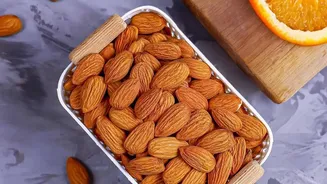
Your snacks can also be an opportunity to maximise nutrient absorption. Instead of eating hummus (made from iron-rich chickpeas) with just pita bread, pair it with raw vegetable sticks. Red bell pepper strips, carrot sticks, and broccoli florets are all excellent choices that provide a dose of vitamin C. A simple piece of fruit can also be a powerful companion to a protein-rich snack. A handful of almonds, walnuts, or pumpkin seeds followed by an orange or a cup of berries combines healthy fats and protein with the vitamin C needed to boost mineral uptake.