

Why Your Tropical Plants Crave Moisture
Many of the most beloved indoor plants, from lush ferns to vibrant calatheas, originate in tropical rainforests where humidity levels are consistently high. These plants have adapted to absorb moisture not just through their roots, but also through their leaves.
When we bring them into our homes, especially during winter when heating systems are running, the air can become exceptionally dry. This forces plants to lose moisture through their leaves faster than their roots can absorb it, leading to common signs of stress like brown, crispy leaf edges, curling leaves, and stunted growth. While you can't turn your living room into a jungle, you can create a small pocket of humidity right where your plant needs it most.
The Science of a Humidity Tray
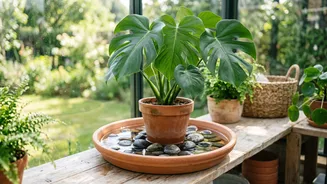
The principle is simple: evaporation. When water is exposed to air, it turns into vapor, increasing the moisture content of the air around it. Placing a simple dish of water near a plant will provide a very minor boost, but a far more effective method is creating a 'pebble tray'. This is a shallow tray filled with pebbles or gravel and water. The plant pot sits on top of the pebbles, safely elevated above the waterline to prevent root rot. The large surface area created by the wet pebbles allows for more efficient and consistent evaporation, forming a gentle, localized cloud of humidity around the plant's foliage. This creates a beneficial microclimate without making the entire room feel damp.
How to Make Your Own Pebble Tray
Creating a humidity tray is an easy and inexpensive project. First, find a shallow, waterproof tray or saucer that is at least a few inches wider than the base of your plant's pot; a wider tray provides a larger surface area for evaporation. Fill the tray with a layer of pebbles, small rocks, or even decorative glass beads. Place your potted plant directly on top of the pebbles, ensuring it sits level. Finally, pour water into the tray until the level is just below the bottom of the pot. The key is that the pot should never be sitting directly in the water, as this can lead to waterlogged soil and root rot. Check the tray every few days and refill the water as it evaporates.
Which Plants Benefit Most?
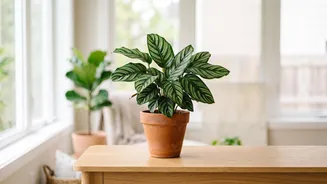
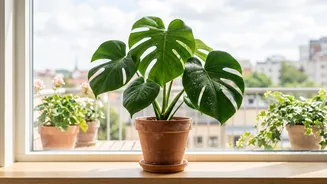
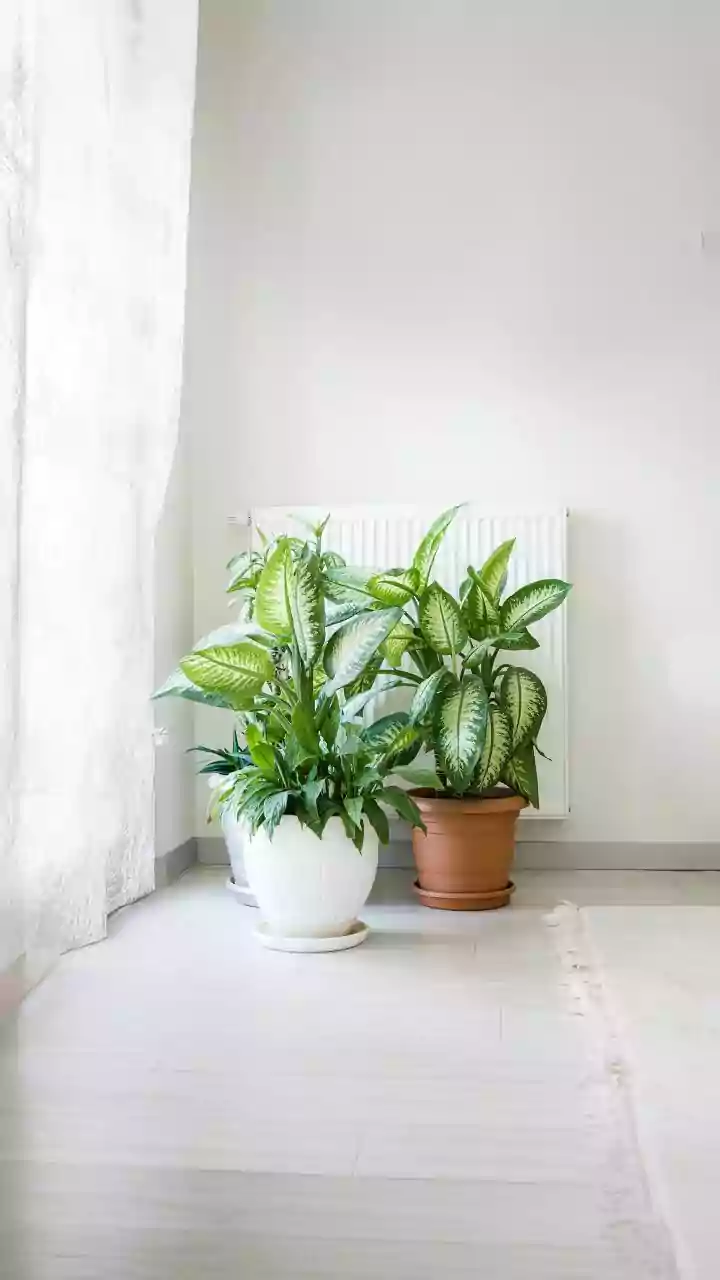
While most common houseplants can tolerate average indoor humidity, some varieties will particularly thrive with the extra moisture a pebble tray provides. Look for signs like browning leaf tips on your current plants. Humidity-loving plants include most ferns (like Boston and Maidenhair), Calatheas, Marantas (Prayer Plants), and many orchids, which are often epiphytes that absorb moisture from the air in their native habitats. Other popular choices that appreciate a boost include Alocasias, Monsteras, Philodendrons, and Peace Lilies. Grouping these types of plants together can further enhance the effect, as plants naturally release moisture through a process called transpiration, collectively raising the humidity in their immediate vicinity.
Managing Expectations and Other Options
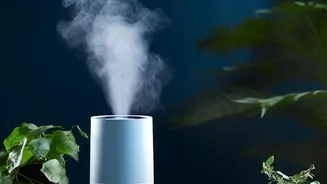
It’s important to have realistic expectations. A pebble tray creates a gentle, localized humidity boost; it will not dramatically change the overall humidity of a large, dry room. Its effect is subtle but consistent. For a more significant increase in ambient moisture, especially if you have a large collection of sensitive plants, investing in a room humidifier is the most effective solution. Misting plants is a popular practice, but its effects are very temporary as the water evaporates quickly. Another simple trick is to place humidity-loving plants in naturally damper rooms, like a bright bathroom where steam from showers provides a regular moisture boost. Combining several of these methods—like grouping plants on pebble trays in a bathroom—can create an ideal environment for your most demanding tropicals.