




Day 1: Arrival and Immersion in Mumbai
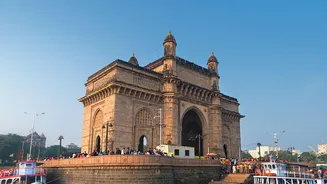
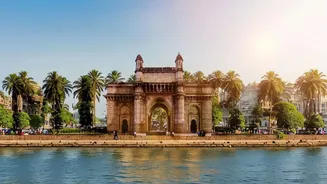
Begin your journey in Mumbai, India's financial and entertainment hub. After settling in, head to South Mumbai, the city's historic heart. Your first stop should be the Gateway of India, an iconic archway built in 1924 overlooking the Arabian Sea. From
here, you can feel the pulse of the city as tourists and locals mingle. Spend the evening with a walk along Marine Drive, a sweeping promenade also known as the 'Queen's Necklace' for its glittering lights after sunset. This area offers a stunning introduction to Mumbai's colonial-era architecture and its identity as a bustling metropolis. For dinner, explore the lively stalls and restaurants of Colaba Causeway, giving you a first taste of the region's vibrant street food culture.
Day 2: Mumbai’s Layers of History and Art
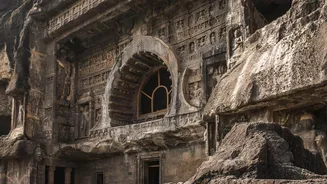
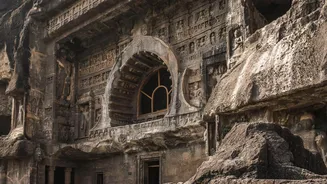
Dedicate your second day to exploring Mumbai's deeper cultural fabric. Start with a morning ferry ride to the Elephanta Caves, a UNESCO World Heritage site on an island offshore. These rock-cut temples, primarily dedicated to the god Shiva, date back to the 7th century and are a profound example of ancient Indian art. Upon returning to the mainland, visit the Chhatrapati Shivaji Maharaj Vastu Sangrahalaya (formerly the Prince of Wales Museum) to see a vast collection of artifacts that trace the region's history. For a glimpse into the city's living heritage, consider a visit to the Dr. Bhau Daji Lad Museum, which focuses on Mumbai's own history and decorative arts. These sites provide crucial context for understanding the artistic and historical currents that have shaped Maharashtra.
Day 3: Journey to Pune, the Cultural Capital
Leave Mumbai's exhilarating pace behind for Pune, often called the cultural capital of Maharashtra. The journey itself, whether by train or car, takes about three to four hours and showcases the changing landscape of the Western Ghats. After arriving and checking in, spend the afternoon exploring the Aga Khan Palace. This serene landmark holds significant importance in India's freedom movement, as it served as a prison for Mahatma Gandhi. The palace grounds and the museum within offer a quiet space for reflection on a pivotal era of Indian history. In the evening, explore the Koregaon Park area, known for its green avenues and diverse eateries, to experience the modern, cosmopolitan side of Pune.
Day 4: The Heart of the Maratha Empire
Today, delve into Pune's legacy as the seat of the powerful Maratha Empire. Start at Shaniwar Wada, the grand fortified palace of the Peshwas who governed the empire. Though partly destroyed by fire, its massive gates and foundations still convey a sense of its former grandeur and political importance. Afterwards, ascend to Sinhagad Fort, a hill fortress that offers panoramic views of the surrounding landscape. This fort was the site of key battles and provides a tangible connection to Maratha military history. Experiencing these sites helps contextualize the region's deep-rooted pride and historical identity, which was foundational in shaping modern Maharashtra.
Day 5: Pune’s Living Culture and Departure
Use your final day to connect with Pune's living traditions before your departure. Visit the Raja Dinkar Kelkar Museum, a unique collection of over 20,000 artifacts showcasing the everyday artistry of India. It’s a fascinating look at the nation's cultural fabric through items of daily life. Alternatively, you could explore the old city's 'peths' (neighbourhoods), each known for specific trades and traditions. If your schedule is tight, a simple walk through the bustling Tulshibaug market offers a final, vibrant slice of local life. This mix of Mumbai's metropolitan dynamism and Pune's deep historical roots provides a comprehensive and enriching five-day introduction to Western India.