


The Rise and Fall of the Perfect 'Shelfie'
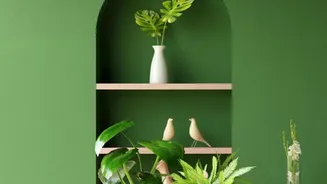
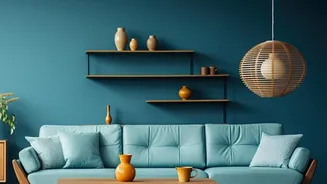
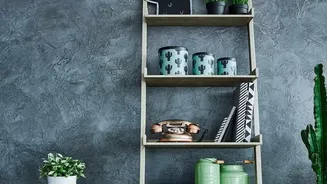
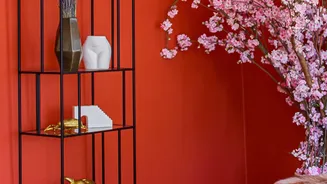
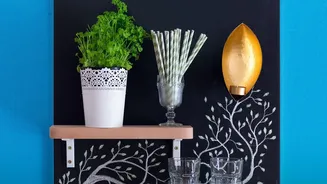
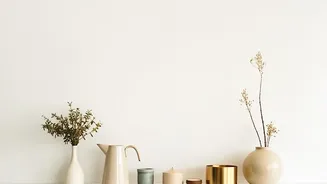
Not long ago, social media feeds were dominated by the 'shelfie'—a meticulously arranged snapshot of a bookshelf or floating shelf. Books were often turned spine-inward to maintain a neutral palette, flanked by generic but aesthetically pleasing objects.
The goal wasn't just to store items, but to create a flawless vignette, a small, contained world of visual harmony. This trend was driven by an influencer culture that made interior styling look like an effortless art form, transforming personal spaces into backdrops for an online identity. However, the pressure to maintain this level of perfection has led to a collective fatigue. The very spaces meant to be our sanctuaries started to feel like sterile showrooms, leading many to question who they were decorating for: themselves or an imagined audience.
A Turn Toward Authenticity and 'Bookshelf Wealth'
The backlash against the over-styled shelf has a name: 'bookshelf wealth'. This trend, which gained significant traction on platforms like TikTok, champions a different kind of value—not monetary, but intellectual and emotional. It celebrates homes that look genuinely lived-in, filled with books that have actually been read and objects collected over a lifetime. Think of it as the cozy, slightly cluttered library of a beloved professor, where every item has a story. This shift is rooted in a broader cultural desire for authenticity. In a world of fast trends and digital personas, there is a growing movement to create homes that are true reflections of personal journeys, interests, and memories. It's less about performing a certain lifestyle and more about surrounding yourself with things that fill your soul.
What Makes an Object Meaningful?
Meaningful decor isn't about price tags; it's about personal history. A 'meaningful' object is one that evokes a memory, represents a relationship, or simply brings you joy. It could be a chipped mug from a favorite cafe, a collection of sea glass from a family holiday, a framed concert ticket, or a piece of art made by your child. Unlike the interchangeable objects of the shelfie era, these pieces are irreplaceable because they are tied to your unique experiences. The difference between a curated, meaningful collection and simple clutter often lies in intention. Clutter can feel random and stressful, a visual reminder of tasks undone. A curated display, however, tells a story and enhances a room, grouping items to create a pleasing whole. The focus is on the personal connection you have with each item.
How to Curate Your Own Story
Embracing this new approach doesn't mean you have to discard everything and start over. In fact, the first step is to 'shop' your own home. Start by clearing your shelves completely. Then, thoughtfully select items that truly matter to you. These are your anchors. Arrange them in small groups, or 'vignettes', mixing heights, textures, and shapes to create visual interest. Don't be afraid to mix high and low—a precious heirloom can sit beside a quirky flea market find. The key is to leave some 'negative space', or breathing room, on the shelves. This empty space is crucial; it helps to highlight the items you've chosen to display, making them feel more special. Lastly, remember that your home is a living space. Allow your displays to evolve as you do, adding new treasures and rotating pieces with the seasons or your mood.