





1. Prioritise Paw Protection
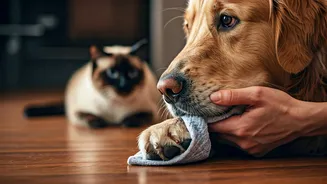
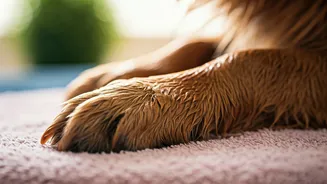
Your pet’s paws are their first point of contact with wet, muddy surfaces, making them highly susceptible to infections. Dampness trapped between their paw pads can lead to painful fungal and bacterial infections, like pododermatitis. After every walk,
make it a non-negotiable routine to wash your pet’s paws with lukewarm water and a gentle antiseptic liquid. The crucial next step is to dry them thoroughly, paying special attention to the area between the toes. A soft towel or even a hairdryer on a low, cool setting works well. Keeping the fur between the pads trimmed can also help prevent moisture from getting trapped. For extra protection on walks, consider using waterproof pet booties.
2. Double Down on Parasite Prevention
The damp, humid conditions of the monsoon are a breeding paradise for ticks, fleas, and mosquitoes. These aren't just a nuisance; they carry serious diseases. Ticks can transmit tick fever, a potentially fatal illness, while fleas can cause severe skin allergies and tapeworms. Mosquitoes, which breed in stagnant water, can transmit heartworm disease. This is the time to be extra diligent with your pet’s anti-tick and flea treatment. Consult your veterinarian about the best option—whether it's a spot-on treatment, a medicated collar, or oral tablets. Also, ensure your home and surroundings are free from stagnant water to reduce mosquito populations.
3. Manage Their Coat and Skin
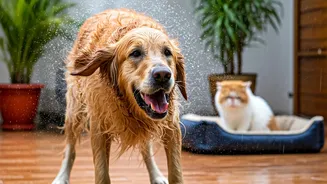
If your pet gets caught in a downpour, a damp coat can become a hotspot for skin infections and that dreaded 'wet dog' smell. Always dry your pet completely after they get wet. Use a highly absorbent towel first, followed by a blow dryer on a low-heat setting, keeping it moving to avoid burning their skin. Regular brushing is also vital during this season. It helps remove loose fur, prevents matting (which can trap moisture), and improves air circulation to the skin. This simple grooming habit can go a long way in preventing hot spots and other painful skin conditions.
4. Keep an Eye on Diet and Hydration
Digestive issues can spike during the monsoon. Pets may inadvertently drink contaminated water from puddles, leading to stomach upsets, diarrhoea, and water-borne diseases like leptospirosis and giardiasis. Always carry a bottle of clean drinking water for your pet on walks. At home, ensure their water bowl is cleaned daily and filled with fresh, filtered water. Because their activity levels might decrease due to fewer outdoor opportunities, you may need to adjust their food intake slightly to prevent weight gain. Including fibre-rich foods like pumpkin puree can aid digestion. Avoid feeding them raw food during this season as the risk of bacterial contamination is higher.
5. Boost Indoor Enrichment and Safety
Fewer walks mean more pent-up energy, which can lead to boredom, anxiety, and destructive behaviour. Keep your pet mentally and physically stimulated indoors. Invest in puzzle toys, play regular games of fetch in a safe indoor space, or practice new tricks. A frozen Kong filled with their favourite treats can keep them occupied for hours. The monsoon also brings other hazards like thunder and lightning, which can be terrifying for many pets. Create a 'safe space' for them, like a crate with a comfy blanket or a quiet corner of a room, where they can retreat when scared. Playing calming music can also help soothe their anxiety during a storm.
6. Make Walks Safer
When you do venture out, be mindful of new dangers. Waterlogged streets can hide open manholes, broken glass, or other sharp objects. Stick to familiar routes and keep your pet on a short leash to guide them away from deep puddles. Another serious risk is electrocution from fallen wires or faulty streetlights. Be extremely cautious and teach your pet to stay away from poles and waterlogged areas near electrical boxes. A reflective or LED collar can also improve their visibility to drivers during overcast and rainy conditions, adding another layer of safety.