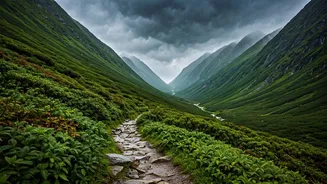



Valley of Flowers, Uttarakhand
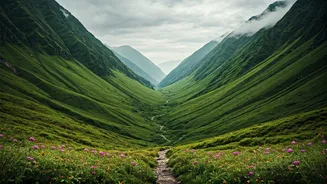
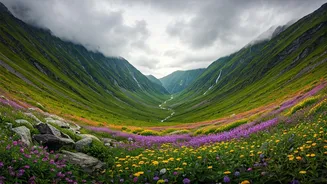
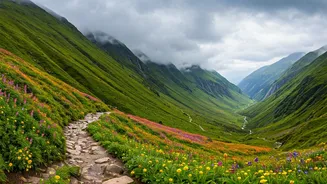
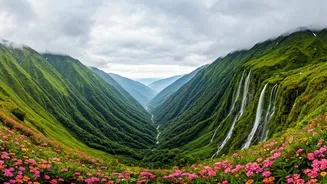
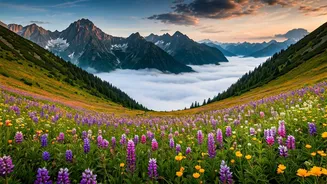
Arguably the most famous monsoon trek in India, the Valley of Flowers is a UNESCO World Heritage Site that lives up to its name. From July to September, this high-altitude valley in the Garhwal Himalayas bursts into a riot of colour with over 300 species
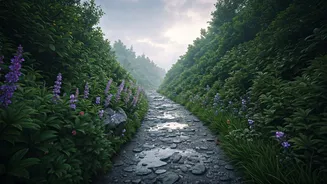
of alpine flowers, including the elusive blue poppy and Brahma Kamal. The rain keeps the crowds thin and the air crisp, washing the landscape in a fresh, dewy sheen. The trek itself is moderately difficult, beginning from the village of Govindghat and passing through lush forests and alongside the gushing Pushpawati River. The path is well-defined but requires a good level of fitness, especially with the altitude gain. The reward is a surreal, almost painterly landscape that feels like stepping into a dream. It's an epic journey not just for its beauty, but for the profound sense of peace it offers.
Rajmachi Fort, Maharashtra
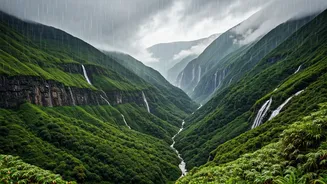
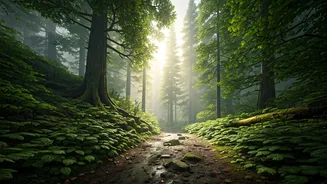
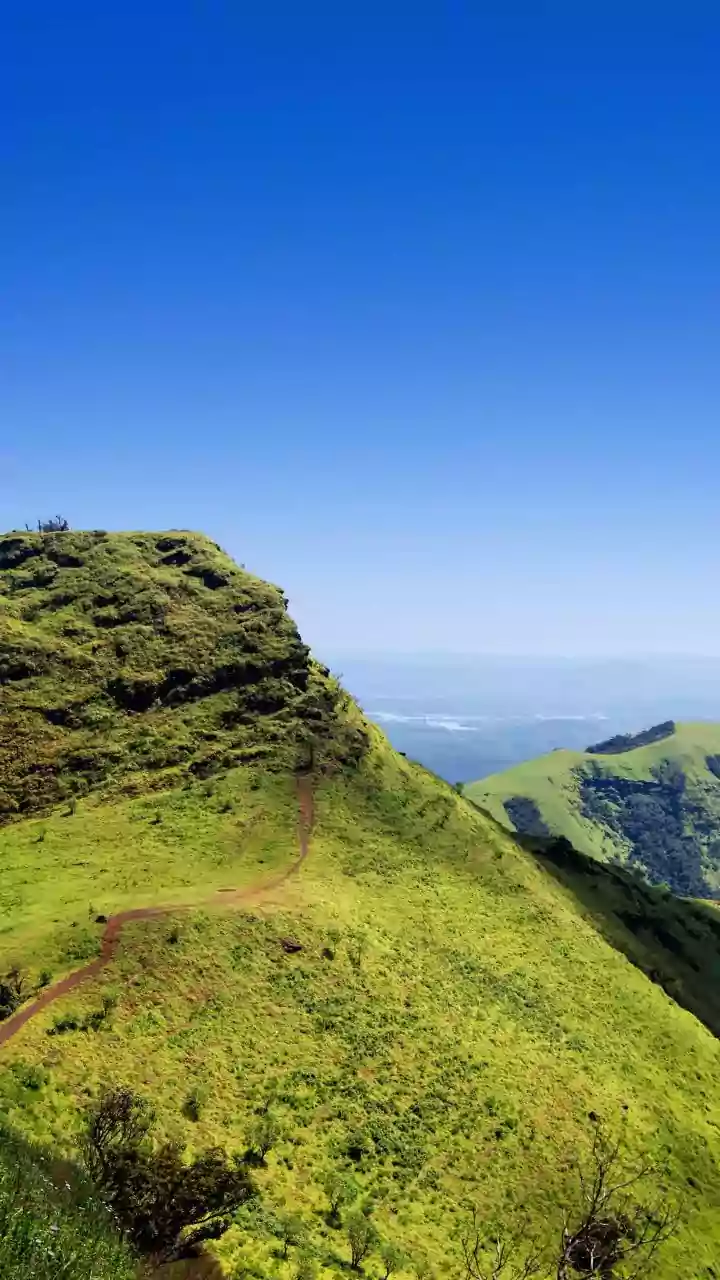
For those in Mumbai and Pune, the Rajmachi Fort trek is a quintessential monsoon ritual. Nestled in the Sahyadri mountains, this trek offers a perfect blend of natural beauty and historical intrigue. During the monsoon, the entire region is draped in a blanket of emerald green, with countless waterfalls cascading down the hillsides. The trek can be approached from two routes — a shorter, steeper climb from Karjat or a long, leisurely 15 km walk from Lonavala. The latter is especially magical in the rains, as the trail winds through misty forests. One of the trek's biggest draws, especially in the early monsoon, is the spectacle of fireflies that illuminate the forests around the base village of Udhewadi. Reaching the twin forts of Manaranjan and Shrivardhan at dawn, with clouds floating beneath you, is an unforgettable experience that makes the muddy trails and constant drizzle entirely worthwhile.
Tarsar Marsar, Kashmir
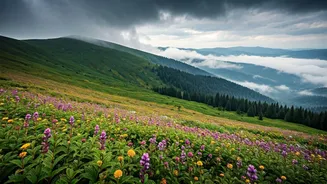
If you're seeking a more challenging and remote adventure, the Tarsar Marsar trek in Kashmir is unparalleled. Often called the 'paradise on Earth' within paradise, this trek takes you to a series of stunning high-altitude alpine lakes. While many Himalayan treks close during the monsoon, this window from July to September is the perfect time for Tarsar Marsar. The meadows are lush and green, dotted with wildflowers, and the lakes—Tarsar, Marsar, and Sundarsar—are full and shimmering in shades of blue and turquoise. The trek is considered moderate to difficult due to its altitude and length, typically spanning over seven days. You'll camp by pristine lakes, cross grassy meadows, and witness breathtaking views of the Kashmir valley. The experience of waking up to see the clouds lift from a crystal-clear lake surrounded by snow-dusted peaks is what makes this trek truly epic and a life-changing journey for many.
Dudhsagar Falls, Goa-Karnataka Border
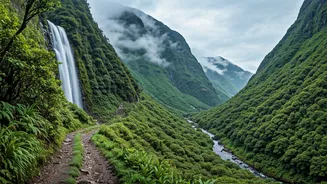
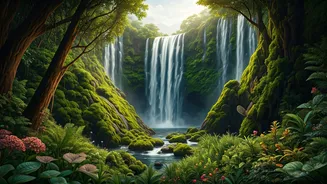
Witnessing Dudhsagar Falls in its full monsoon glory is an experience of pure, unadulterated power. As one of India's tallest waterfalls, its name translates to 'Sea of Milk,' a fitting description for the massive torrent of white water that thunders down the mountainside. While the famous railway track route is often restricted for safety during peak monsoon, official jeep safaris organised by the forest department from Kulem offer a thrilling and secure way to reach the base of the falls. The journey itself is an adventure, splashing through streams and navigating muddy jungle tracks. The roar of the falls is audible long before it comes into view. The sheer volume and force of the water during the monsoon season create a spectacle that is both humbling and awe-inspiring, making it a must-do for anyone looking to witness the raw power of nature.