


Create a Fortress for Your Backpack
Your first line of defense is your primary bag. While many modern backpacks claim to be water-resistant, a sustained downpour can seep through zippers and seams. For total peace of mind, invest in a waterproof backpack cover. These are lightweight, foldable,
and available in various sizes to create a solid barrier against the rain. If you don't have a dedicated cover, a large, heavy-duty garbage bag can serve as a DIY liner inside your pack. Place your belongings inside the garbage bag before putting them in your backpack for an effective, low-cost waterproof layer. For maximum protection, combine both methods.
Double-Bag Your Precious Electronics
Water is the mortal enemy of electronics. A fried laptop or a water-damaged phone can be a trip-ending disaster. Never assume your backpack alone offers enough protection. The best strategy is to compartmentalize and create multiple layers of defense. Use dedicated dry bags or waterproof tech pouches for expensive items like your laptop, camera, and phone. These create a watertight seal that offers robust protection. For a budget-friendly alternative, zip-seal plastic bags are incredibly effective. Place your laptop in a waterproof sleeve, then put that sleeve inside a larger dry bag or plastic bag for double the security before it even goes into your main luggage.
Choose Your Footwear Wisely
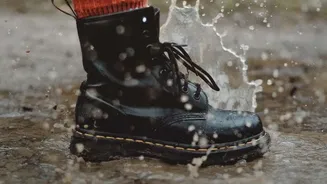
The battle against wet feet is won before you even leave the house. The right footwear is crucial for comfort and health. Opt for shoes made from waterproof or highly water-resistant materials. Avoid materials like canvas or suede that absorb water and take forever to dry. Waterproof boots are an excellent choice for serious walking or hiking, as they keep your feet dry and can prevent blisters. For city travel, slip-proof rubber sandals or waterproof shoes can be ideal for navigating wet, slick streets. Always pack at least one backup pair of dry shoes to change into for evenings, allowing your daytime pair to air out properly.
Contain the Mud and Grime
You’ve successfully navigated a muddy trail or a grimy city street, but now your shoes are a mess. Packing them risks soiling all your clean clothes. The solution is simple: isolation. Shoe bags are designed for this exact purpose, keeping dirt, mud, and odors contained. In a pinch, a reusable plastic bag or even a disposable hotel shower cap works wonders. Just slip the shower cap over the soles of each shoe to create a barrier. It’s also wise to pack a small, travel-sized cleaning kit with a brush to scrape off dried mud before packing. Always let mud dry before trying to clean it, as it's much easier to brush off when it’s hard and caked.
Embrace Quick-Dry Fabrics
When travelling in wet weather, assume you will get damp. The key is to wear clothes that recover quickly. Cotton is a poor choice for rainy climates because it absorbs moisture and takes a very long time to dry, leaving you feeling cold and clammy. Instead, pack clothes made from synthetic, quick-dry fabrics like polyester and nylon. Merino wool is another excellent option; while it dries slower than synthetics, it insulates when wet and has natural odor-resistant properties. Prioritize packing quick-dry shirts, pants, and especially socks and underwear. These items can be easily washed in a hotel sink and will be dry by morning, allowing you to pack lighter.
Don't Underestimate a Good Umbrella
While a quality raincoat is a must-have, a sturdy and compact umbrella is an invaluable tool for city exploration or short dashes between transport. It provides immediate protection during unexpected showers and helps keep your face and upper body dry without the need to fully suit up in waterproof gear. Look for a wind-resistant model that is small enough to fit in a side pocket of your backpack or in a crossbody bag. It’s the perfect accessory for navigating crowded streets or when the rain isn't heavy enough to warrant a full rain jacket but you still need cover.