






A Delayed But Intense Arrival
The India Meteorological Department (IMD) officially declared the onset of the southwest monsoon over Mumbai on Tuesday, June 23, 2026, about 13 days later than the normal date of June 11. [12, 29, 31] The arrival, though late, was anything but gentle.
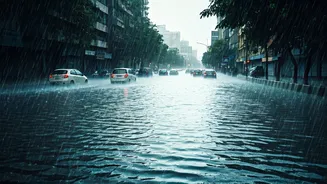
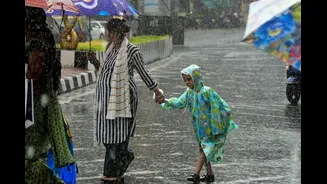
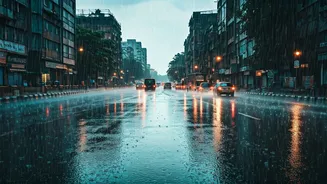
The city was immediately lashed by torrential downpours, with some areas receiving over 200 mm of rain in just 24 hours. [10, 13, 21] The IMD has issued an orange alert for the city, forecasting moderate to heavy showers, thunderstorms, and gusty winds are expected to continue. [10, 17, 31] This intense rainfall follows one of the driest starts to June in recent memory, which had led to rising temperatures and concerns over the city's water supply levels. [31, 18] The heavy rains have provided much-needed relief from the heat but also triggered the familiar challenges of the season. [29]
The Commuter's Challenge: Waterlogging and Traffic
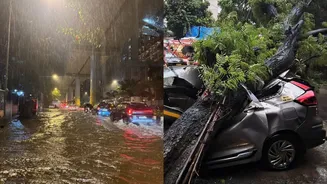
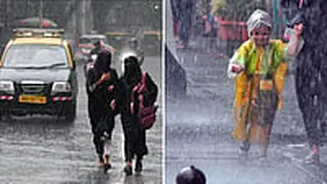
As is tradition, the first heavy spell of rain brought significant disruption to daily life. Widespread waterlogging was reported in several low-lying areas, including Andheri, Dadar, Bandra, Hindmata, and King's Circle, leading to traffic chaos. [10, 12, 16] The Andheri subway, a notorious flooding spot, was closed after being submerged. [10, 12] Train services, the lifeline of Mumbai, were also affected. Commuters on the Harbour, Western, and Central lines experienced delays as tracks were submerged in some areas, leaving many stranded during their daily commute. [13, 18] In response to the weather, Maha Mumbai Metro has placed additional standby trains across its corridors to handle the passenger rush and ensure services remain uninterrupted. [40]
Is the City Prepared? BMC on High Alert
The Brihanmumbai Municipal Corporation (BMC) has stated it is on high alert, deploying over 7,000 personnel to manage the situation. [40] The civic body's pre-monsoon preparedness included desilting drains, installing dewatering pumps in flood-prone areas, and coordinating emergency response teams. [9, 14] With 498 flooding spots identified this year, a 10% increase from the previous year, the BMC has deployed 547 dewatering pumps to drain accumulated water. [14, 40] Despite these measures, the initial deluge has raised questions about their effectiveness, with some politicians pointing to inadequately cleaned drains as a cause for the immediate waterlogging. [12, 18] The BMC's disaster management control room is operating 24/7, and citizens are urged to follow advisories and report emergencies. [27, 40] The corporation has also issued warnings about high tides, advising residents to stay away from the seashore during these periods. [35]
Staying Safe and Healthy
Navigating the monsoon in Mumbai requires more than just a good umbrella. With waterlogged streets, the risk of water-borne diseases increases. It's crucial to drink boiled or purified water and avoid street food that may be prepared in unhygienic conditions. Protect your feet from fungal infections by keeping them clean and dry, and avoid wading through stagnant water, which can be contaminated and hide open manholes or debris. At home, check for any electrical faults and ensure your wiring is properly insulated to prevent short circuits, a common hazard during heavy rains. Keep an emergency kit with a flashlight, power bank, first-aid supplies, and some non-perishable food handy in case of prolonged power cuts or if you're stranded. For commuters, always check traffic and train updates before leaving home and have alternative routes planned.
Embracing the Monsoon Spirit
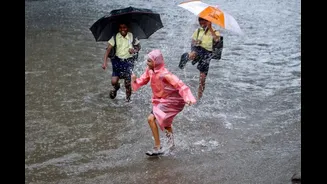
While the monsoon brings its share of hardships, it also transforms Mumbai. The rain washes the city clean, offering a respite from the summer heat and painting the landscape in lush greens. It’s a time for indulging in classic Mumbai monsoon treats like hot chai, bhajiyas, and roasted corn on the cob (bhutta). For many, it's also a time for romantic long drives, weekend trips to nearby hill stations like Lonavala and Khandala, or simply enjoying the downpour from a window. The season is a testament to the city's resilience; despite the disruptions, life goes on. Mumbaikars adapt, complain, help each other out, and find ways to celebrate the rain. It is this unique, paradoxical relationship of frustration and fondness that defines the monsoon in Mumbai.