



Software and Data Engineering
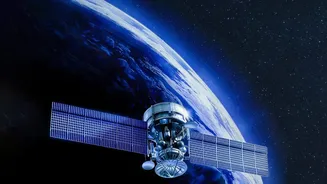
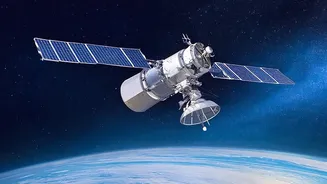
The most valuable part of the new space economy isn't just launching rockets; it's the data they send back. Companies like Pixxel are building constellations of earth-observation satellites that generate immense amounts of information. This creates a huge
demand for software engineers to build the ground control systems, mission dashboards, and data pipelines that manage and interpret this data. Roles include flight software engineers, data scientists, and machine learning specialists who create analytics platforms for sectors like agriculture, defence, and infrastructure. This is the heart of the "Beyond Rocket Science" shift, where coding and AI skills are as crucial as orbital mechanics.
Satellite Systems Engineering
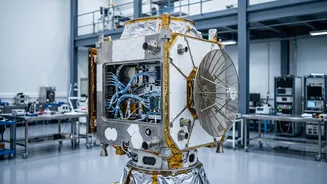
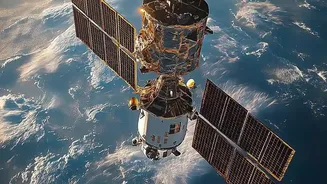
Private players like Dhruva Space are moving towards full-stack space engineering, offering everything from satellite platforms to launch services. This has created a surge in demand for satellite systems engineers who can design, integrate, and test entire spacecraft. The work involves a wide range of specialisations, including payload design for specific missions, Attitude and Orbit Control Systems (AOCS) to orient the satellite correctly, power systems, thermal management, and RF communications. It's a multidisciplinary field perfect for engineers who enjoy seeing a complex project come together from concept to launch.
New-Age Propulsion and Launch Vehicle Design
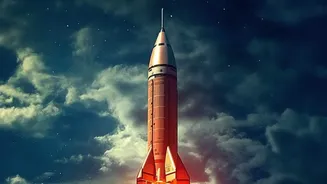
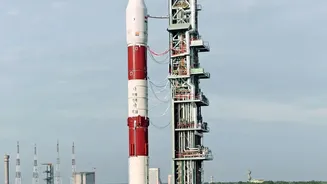
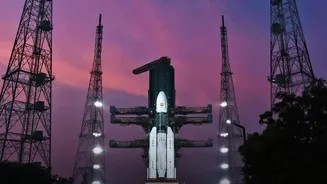
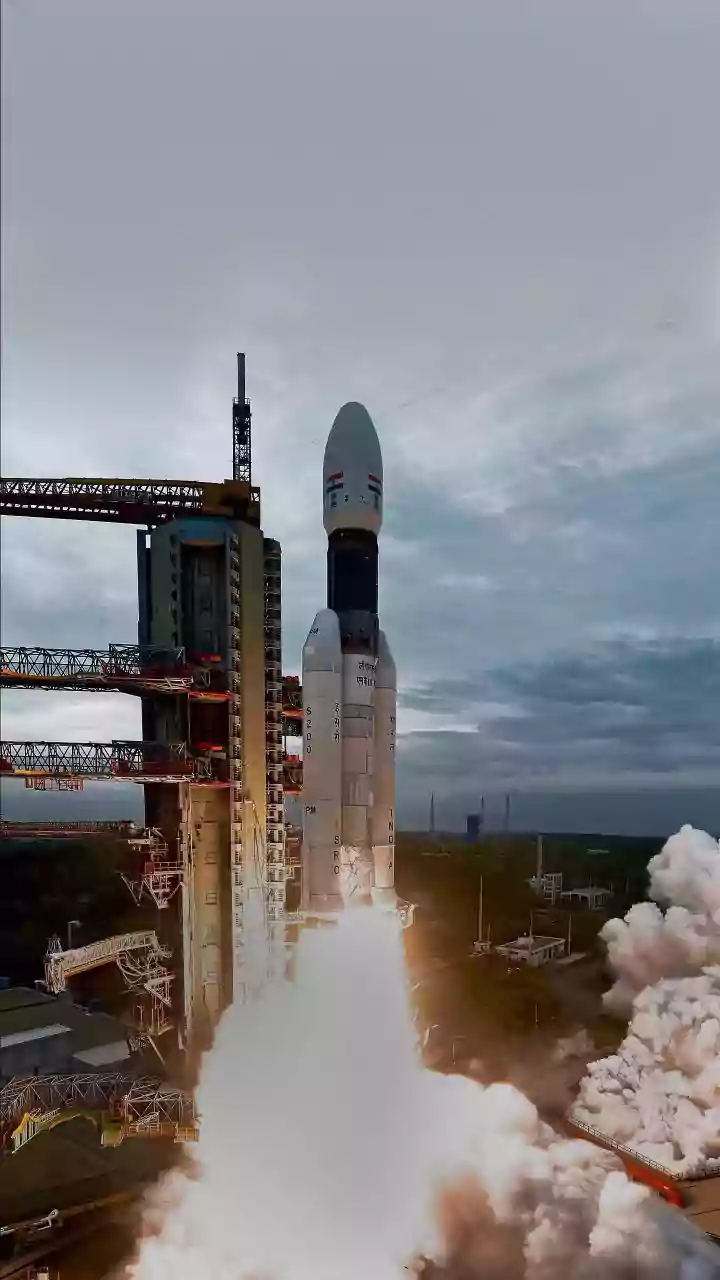
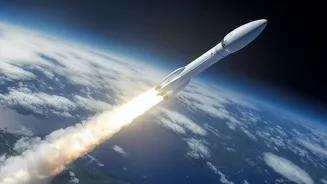
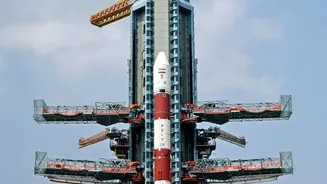
While ISRO remains a pillar, private companies like Skyroot Aerospace and Agnikul Cosmos are building India’s first privately developed launch vehicles. This has opened up a dynamic field for propulsion and structural engineers. These startups are innovating with new technologies like 3D-printed engines, semi-cryogenic propellants, and all-carbon composite rocket bodies. The focus is on creating cost-effective, reusable, and on-demand launch services for the booming small satellite market. This means engineers get to work on the entire lifecycle of a rocket, from design and fluid dynamics analysis to testing and launch operations.
Robotics and Autonomous Systems
As the space economy matures, the need for robotics and automation is growing exponentially. This field is critical for tasks like in-orbit satellite servicing, manufacturing, debris removal, and future planetary exploration missions. Startups like InspeCity are positioning themselves as 'space mechanics,' developing technologies for satellite life extension. Engineers with skills in robotics, autonomous navigation, AI, and control systems are highly sought after to build these next-generation systems that can operate in the harsh environment of space with minimal human intervention.
Advanced Manufacturing and Materials Science
Building lighter, stronger, and more cost-effective spacecraft and rockets requires constant innovation in materials and manufacturing processes. This has created opportunities for materials scientists and engineers specialising in additive manufacturing (3D printing). Companies are using advanced composites and 3D-printing techniques to create complex components like single-piece engines, which was once impossible with traditional manufacturing. Expertise in areas like metallurgy, composites, and industrial-scale 3D printing is crucial for reducing the weight and cost of space hardware, giving private companies a competitive edge.