







The Backlash Against Confusing Combinations
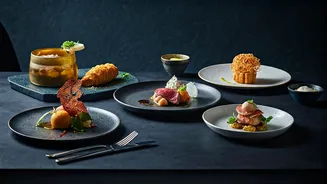
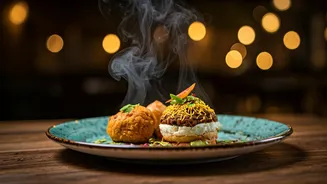
There was a time when 'fusion' felt like the peak of culinary innovation. It promised the best of both worlds, but often delivered a muddled compromise. Dishes like 'Pizza Golgappa' and 'Pasta Biryani' became symbols of a trend that sometimes prioritized
gimmickry over flavour. [20, 21] While fusion cuisine has a long and storied history—after all, Indian food has evolved for centuries through cultural exchange—the modern wave of generic fusion often felt forced. [9] It was a shallow approach to cooking, where chefs sometimes combined popular items without a deep understanding of either cuisine, resulting in dishes that respected neither. Diners are growing tired of this. They are becoming more sensitive to culinary gimmicks and are seeking trust and honesty on their plates. [3] The novelty of seeing two unrelated dishes forced together is wearing off, replaced by a craving for food that tells a coherent story.
A Return to Roots: The Rise of Hyper-Regional Food
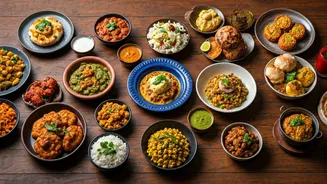
In place of fusion, a powerful movement towards authenticity is reshaping India's culinary landscape. [3, 12] Diners and chefs are now championing the country's incredible diversity, looking beyond the standard restaurant fare of butter chicken and biryani. [1, 6] This isn't just about North or South Indian food; it's about hyperlocal specialities that tell the story of a specific community, climate, and culture. We're seeing the rise of cuisines from Nagaland, with its smoky, earthy flavours; Kerala, with its coconut-rich, veggie-forward dishes; and Goa, with its unique Portuguese-influenced coastal fare. [1, 10] Chefs are bringing forgotten recipes and indigenous ingredients from home kitchens to the forefront. [1, 5] Dishes like Kashmiri Nadru (lotus stem), Bihari Litti Chokha, and fiery Chettinad chicken are no longer niche but are celebrated for their distinct identities. [3, 4, 8]
What's Fuelling the Shift?
Several factors are driving this change. Firstly, there is a renewed sense of cultural pride. Younger Indian diners are increasingly curious about their own heritage and the traditions of their families and states. [3] They want to connect with their roots, and food is a powerful way to do so. Secondly, diners have become more educated and discerning. Thanks to social media, food travel shows, and a wealth of online content, people are more exposed to authentic food stories. [3] They don't just want a dish; they want to know where the spice comes from and the history behind the technique. [3] Finally, a new generation of chefs is leading the charge. [1, 12] Chefs like Prateek Sadhu in Himachal Pradesh, Nilza Wangmo in Ladakh, and Vanika Choudhary in Mumbai are passionately exploring and elevating their native cuisines, focusing on local ingredients and traditional methods. [1, 5] This chef-led movement has given regional food a new level of prestige and excitement.
Redefining Indian Food at Home and Abroad
This movement is doing more than just changing menus; it's changing the global perception of what 'Indian food' is. For decades, the international view was limited to a few North Indian staples. [4] Now, restaurants from New York to London are specifying their regional focus, whether it's Chettinad, Kashmiri, or Goan. [1, 4] This hyper-regional branding builds authenticity and strengthens culinary identity. [4] International awards are following suit, with Michelin stars being awarded to restaurants that present specific, rural, and authentic Indian recipes rather than generic curries. [1] This shift proves that the true strength of Indian cuisine lies not in blending it with others, but in exploring the immense depth and variety within its own borders. By celebrating hyperlocal delicacies, chefs are showcasing the complexity and richness of India's culinary traditions to the world. [1]