





A New Era of Overnight Travel
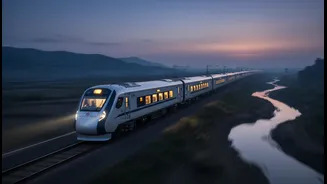
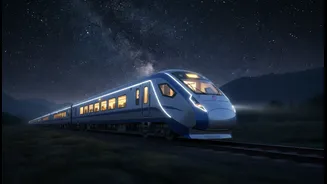
For decades, trains like the Rajdhani Express have been the backbone of long-distance travel in India. Now, a new contender is set to redefine the experience. The Vande Bharat sleeper is a self-propelled trainset designed for overnight journeys, capable
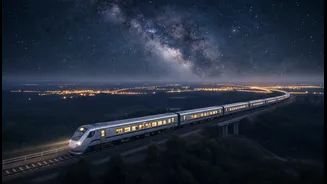
of reaching speeds up to 160-180 km/h. Unlike traditional locomotive-hauled trains, these integrated units offer quicker acceleration and deceleration, promising to cut down travel times significantly on key routes. The first services began in early 2026, marking a significant step in the modernisation of Indian Railways. This initiative is not just about speed; it's about creating a premium, comfortable, and convenient alternative for millions of travellers.
Comfort and Convenience on Wheels
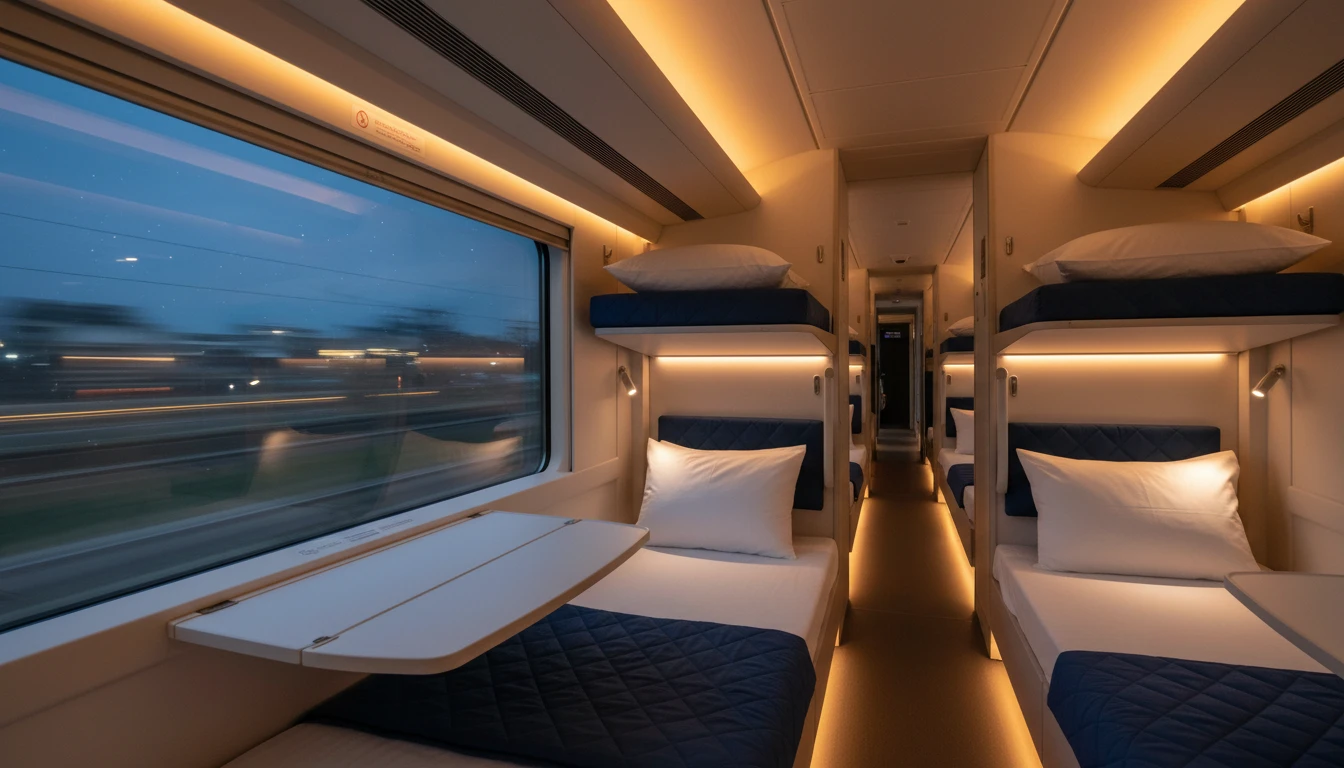
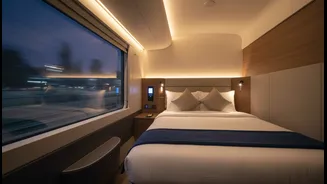
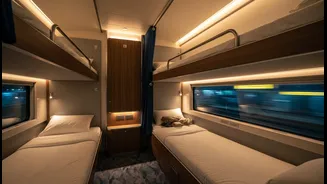
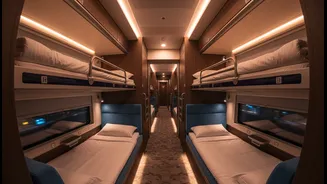
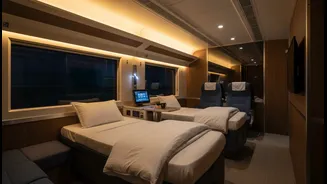
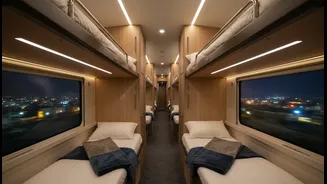
The interior of the Vande Bharat sleeper is designed with the modern passenger in mind, drawing comparisons to a 'hotel on wheels'. The train features three classes: AC First, AC Two-Tier, and AC Three-Tier. Berths are wider and better cushioned, engineered for better spine support to ensure a restful journey. Each berth comes with its own reading light and charging sockets. The coaches boast improved soundproofing for a quieter ride, sensor-based lighting, and automated doors that create a dust-free, climate-controlled environment. In a first for Indian Railways, First AC passengers have access to an exclusive hot shower facility, complete with a shower kit. Bio-vacuum toilets with odour-control systems and touchless faucets further enhance the focus on hygiene.
Key Routes and Future Expansion
The first commercial Vande Bharat sleeper service was launched between Howrah (Kolkata) and Kamakhya (Guwahati) in January 2026. A second major route connecting Varanasi and Chheharta (near Amritsar) was flagged off in July 2026. This route, named the Sant Ravidas Express, connects major cities across Uttar Pradesh, Haryana, and Punjab three times a week. Indian Railways has ambitious plans to expand this network. A highly anticipated Bengaluru-Mumbai service has been approved, which is expected to drastically reduce the current 22-hour journey time. Other potential corridors include major trunk routes like Delhi-Mumbai and Delhi-Kolkata. The goal is to roll out a dozen new sleeper services by March 2027, making them a common sight on India's busiest overnight corridors.
The Impact on Short Holidays
The combination of speed and comfort is what makes the Vande Bharat sleeper a game-changer for tourism. By reducing overnight travel times, these trains make weekend trips to distant cities more feasible than ever. A journey that might have previously eaten up a significant portion of a weekend can now be comfortably completed overnight, leaving travellers with more time to explore their destination. For example, the new Varanasi-Chheharta service provides a direct, modern link for pilgrims and tourists between the spiritual hub of Varanasi and the Golden Temple in Amritsar. As more routes connecting metropolitan hubs to tourist destinations are added, the Vande Bharat sleeper is poised to become the preferred mode of transport for families and solo travellers looking for a convenient and relaxing short holiday.
A Safer, Smarter Journey
Safety is a cornerstone of the Vande Bharat platform. The sleeper trains are equipped with the Kavach automatic train protection system, which helps prevent collisions. CCTV cameras are installed throughout the coaches, and an emergency talk-back system allows passengers to communicate with the crew. The train's aerodynamic design provides greater stability at high speeds, and improved couplings between coaches reduce jerks, ensuring a smooth and vibration-free ride. These technological advancements not only make the journey safer but also contribute to the overall premium experience, allowing passengers to sleep soundly through the night.