









Decoding the Breakfast ‘Whitespace’
In business, a 'whitespace' refers to an untapped market where customer needs are not being fully met. It seems counterintuitive for a category as popular as South Indian breakfast, but the opportunity isn't in the food itself, but in how it's being offered.
While local darshinis and Udupi-style restaurants have mastered the art of fresh, quick service, a gap exists between these establishments and home-cooked meals. Consumers, particularly in urban areas, are now seeking a third option: high-quality, convenient, and diverse South Indian breakfast experiences that go beyond the standard fare and fit into their hectic modern lives. This demand is driven by changing work schedules, rising health consciousness, and a growing desire to explore authentic, regional cuisines.
The New Wave of Consumer Demand
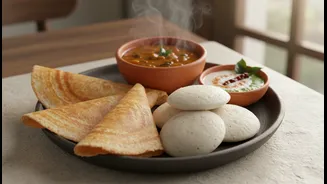
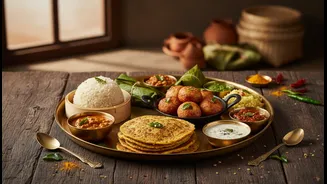
The modern Indian consumer’s palate is evolving. Diners are increasingly adventurous, seeking authenticity and the stories behind their food. This has created a demand for regional specialties that are not commonly found on mainstream menus. While idli, dosa, and vada are staples, there is a burgeoning interest in hyper-regional dishes from Karnataka, Kerala, Tamil Nadu, and Andhra Pradesh. Think of delicate neer dosas, nutritious Pesarattu, or flavourful Appams. Furthermore, there's a significant shift towards healthier options. Consumers are looking for breakfasts made with millets, whole grains, and less oil, moving away from traditional preparations that may not align with their wellness goals. This health-driven demand opens up a huge area for brands to innovate with nutritious yet traditional recipes.
Technology and Delivery as Game-Changers
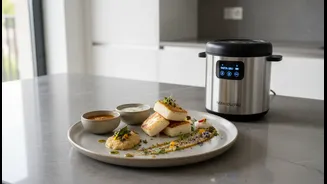
The rise of cloud kitchens and the efficiency of food delivery platforms are perfectly poised to fill this breakfast whitespace. Operating without a dine-in space, cloud kitchens can focus exclusively on preparation and delivery, significantly lowering overhead costs. This model allows entrepreneurs to experiment with niche, regional South Indian menus without the massive investment required for a traditional restaurant. A single cloud kitchen can host multiple virtual brands, perhaps one specialising in Malabar breakfast and another in Chettinad morning dishes, all while serving a wide geographic area. Subscription services offering weekly breakfast plans and ready-to-cook (RTC) kits with fresh batter and chutneys are also gaining traction, providing the ultimate convenience without sacrificing the taste of a freshly made meal.
The Opportunity for Brands and Entrepreneurs
This whitespace is a golden opportunity for food entrepreneurs, established restaurants, and packaged food companies. For restaurants, it’s a chance to diversify their breakfast menu, introduce regional specials, or launch a delivery-only brand. For packaged food brands, the market extends beyond basic idli/dosa batters. There is potential for high-quality, clean-label RTC mixes for dishes like Appam or Adai, frozen options, and artisanal chutneys and powders that promise authentic, home-style taste. Industry reports highlight the immense growth in India's packaged and convenience food markets, driven by urbanisation and rising disposable incomes. The key to winning this space lies in a deep understanding of regional culinary traditions, a commitment to quality ingredients, and smart use of technology to ensure consistency and convenience.