




The Rise of the Algorithmic Guru
The idea of a personal wellness coach, once a luxury, has been democratized by technology. In 2026, AI-powered apps serve as pocket nutritionists, fitness trainers, and mindfulness guides for millions. Driven by the surge in wearable technology and the increasing
power of large language models, these platforms promise hyper-personalized guidance. They analyze sleep data, activity levels, and logged meals to generate recommendations aimed at optimizing health. This trend is not a fleeting fad; the market for AI in personalized nutrition is expanding rapidly, with consumers increasingly expecting data-driven, bespoke solutions rather than generic advice. These tools are no longer simple trackers but sophisticated systems designed to support behavior change and synthesize complex biometric data.
Your Plate, Powered by Data
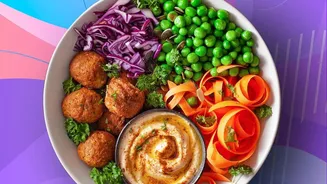
When it comes to nutrition, AI's capabilities are impressive on the surface. Using vast databases, machine learning can generate meal plans tailored to specific calorie targets, macronutrient splits, and health goals like weight loss or muscle gain. Some systems use image recognition to identify foods from a photo, estimating portion sizes and nutritional content. Others employ conversational AI to simulate a dialogue with a human nutritionist, adjusting suggestions based on user feedback. These tools can identify potential nutrient deficiencies, suggest recipes, and help users navigate dietary restrictions like allergies. For many, this provides a level of insight and accountability that was previously out of reach, helping them stick to a routine and meet their goals.
The Missing Ingredient: Context
Despite their sophistication, AI nutritionists have a significant blind spot: context. An algorithm might correctly suggest a low-carb, high-protein meal. However, it doesn't understand that you're dining out with friends, celebrating a cultural holiday with specific traditional foods, or feeling too stressed and exhausted to cook a complex recipe. Research shows that while AI can get broad principles right, it frequently misses nuance and cannot factor in the emotional, social, and psychological drivers of our eating habits. A 2026 study in Nature Medicine highlighted that this is a broad limitation across all medical AI models; they generate recommendations that seem reasonable but are not always actionable or relevant for the specific patient. An AI might suggest a perfectly balanced meal, but it's useless if it doesn't fit into the messy reality of a person's life.
The Real AI Lesson: It’s a Tool, Not a Guru
The core lesson from the 2026 wellness trend is not that AI is useless, but that its role must be properly understood. The most successful human coaches are now AI-literate, not AI-dependent. They use AI to automate data analysis and tracking, freeing them up to focus on the uniquely human aspects of coaching: empathy, motivation, and contextual understanding. The AI can provide the 'what'—a nutrient-dense meal suggestion—but a human is needed to explore the 'why' and 'how.' Why did you overeat yesterday? How can we make healthy eating fit into your busy work schedule? As one expert noted, AI can be confidently wrong. Without a human in the loop to question, verify, and contextualize its output, users risk receiving advice that is technically correct but practically inappropriate or even discouraging.
Smarter Tools Require Smarter Users
For the individual user, navigating the world of AI nutrition means adopting a new mindset. It's about using these powerful platforms as a starting point, not a final authority. An AI-generated meal plan can be a fantastic source of ideas, but it should be seen as a flexible template, not a rigid prescription. Users must bring their own context to the table. Does the suggestion make sense for your budget? Does it align with your cultural food preferences? Do you actually enjoy eating that way? Combining the data-crunching power of AI with your own self-knowledge and, when necessary, the guidance of a qualified human professional like a registered dietitian, is the key to making the technology work for you, not against you.