


Why Air Conditioning Dries Out Your Plants
Air conditioners make rooms comfortable by cooling the air and, crucially, by removing moisture. This process, called dehumidification, is great for preventing stickiness but creates an artificially dry environment. For many popular houseplants native
to humid tropical regions, this is a shock to the system. The average AC unit can lower indoor humidity to between 30-50%, while most tropical plants like ferns, calatheas, and orchids prefer levels closer to 50-60% or even higher. This deficit forces plants to lose water more rapidly through their leaves, a process called transpiration. The result is often brown, crispy leaf tips, curling foliage, and slower growth.
The Simple Science of a Humidity Tray
A plant humidity tray, also known as a pebble tray, is a wonderfully simple device. It consists of a shallow, waterproof tray filled with a layer of pebbles, gravel, or decorative stones. Water is added to the tray, but only to a level just below the top of the pebbles. The plant's pot is then placed on top of the stones, ensuring its base stays elevated above the waterline. As the water in the tray evaporates, it increases the moisture in the air directly around the plant, creating a small, humid microclimate. This localized pocket of humidity helps to reduce water loss from the plant's leaves and mimics its preferred natural environment more closely.
Which Plants Will Thank You?
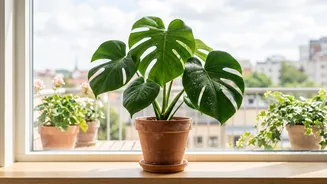
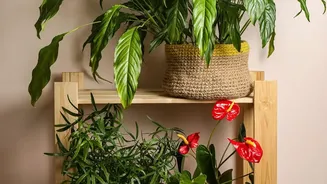
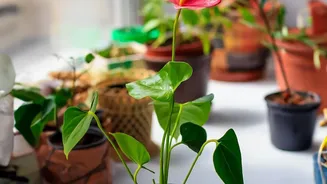
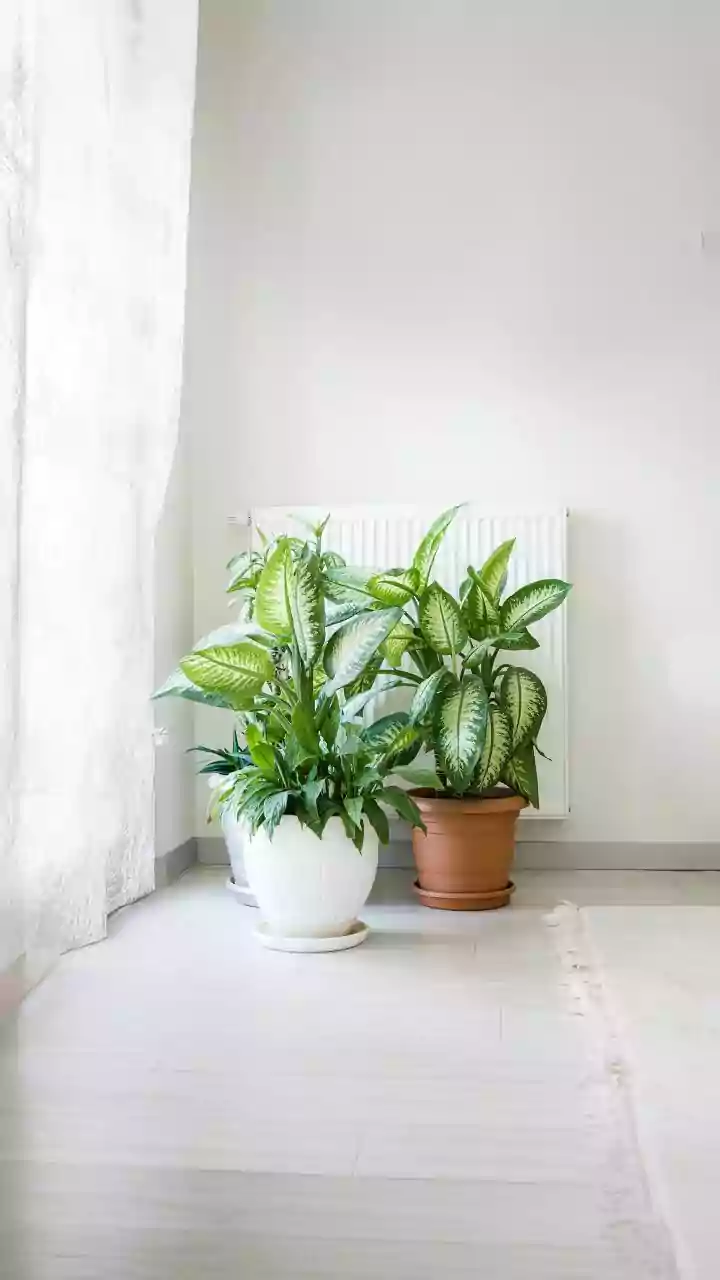
Not all plants need extra humidity. Succulents and cacti, for example, prefer drier conditions. However, a vast number of popular indoor plants in India thrive with the added moisture a humidity tray provides. Humidity-loving plants are typically those with lush, thin leaves that are prone to drying out. Good candidates for a humidity tray include Boston Ferns, Areca Palms, Calatheas (Prayer Plants), Philodendrons, and Monsteras. Peace Lilies and many varieties of orchids also show significant improvement, with healthier foliage and less stress from the dry, conditioned air. Grouping several of these plants together on a single large tray can amplify the effect, as they collectively release moisture and create a more stable humid zone.
How to Make Your Own in Minutes
Creating a humidity tray is an easy and affordable DIY project. All you need is a waterproof tray or saucer that is wider than your plant pot, some small pebbles or gravel, and water. First, wash the pebbles to remove any dust or dirt. Fill the tray with a layer of pebbles, about an inch deep. Next, pour water into the tray until it is almost at the top of the pebbles. The key is that the water level must remain below the stones' surface. Finally, place your potted plant on top of the pebbles. Double-check that the base of the pot and its drainage holes are not touching the water. This is critical to prevent the soil from becoming waterlogged, which can lead to root rot.
Best Practices for a Healthy Setup
While effective, a humidity tray requires a little maintenance to prevent problems. The standing water can potentially attract pests like fungus gnats or become a breeding ground for algae if left unattended. To avoid this, it's good practice to empty, scrub the pebbles, and refresh the water every week or two. Also, ensure the plant is not placed in the direct path of the AC vent's airflow. A strong draft will simply blow the humid air away from the plant, defeating the purpose of the tray. Finally, remember that a humidity tray is a supplement, not a cure-all. Your plant still needs the right amount of light and a proper watering schedule to truly thrive.