









The Pinch in Your Pantry
The latest official data from August 2026 shows that food inflation stood at 5.95%, a key driver of overall retail inflation. This isn't just a number on a page; it translates to higher bills at the local kirana store and vegetable market. Key staples
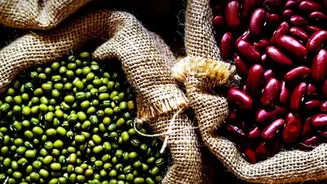
have seen significant price jumps compared to last year. Onions, a cornerstone of Indian cooking, have become much costlier, with prices rising almost 50% from a year earlier. Similarly, the cost of ginger has surged by over 70%. Pulses like tur and chana are also under pressure due to festival demand and supply concerns. Edible oils, including groundnut and soybean oil, are dearer by over 11% compared to the previous year. Even sugar prices have climbed, prompting the government to take measures to control costs ahead of a period of high consumption.
A Perfect Storm of Factors
There isn't one single culprit behind the rising costs, but rather a combination of domestic and global pressures. The most significant factor has been a weak and erratic monsoon season, which is on track to be the driest in 17 years. This is linked to a strengthening El Niño weather pattern, which has led to a rainfall deficit of around 15% across the country. This shortfall affects crop sowing and yields for everything from rice and sugarcane to pulses and oilseeds. Beyond the weather, other factors are at play. India's reliance on imported edible oils means that global commodity prices and supply chain issues directly impact costs at home. Furthermore, the government's push to blend ethanol with fuel has increased demand for feedstocks like corn, rice, and sugarcane, tightening their availability for food consumption.
A Costlier Festive Spread
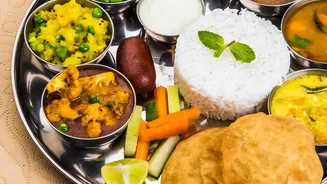
For many households, food makes up nearly half of monthly spending, and this pressure is magnified during the festive season. The price increases directly affect ingredients central to festive cooking. Sweets and desserts, which rely heavily on sugar and ghee, will be more expensive to prepare. The cost of savoury snacks and meals is also rising, driven by the higher prices of cooking oils, onions, ginger, and pulses like chana, a key ingredient for besan. The timing is particularly challenging as demand naturally surges during this period, which can further strain supplies and push prices even higher. This convergence of lower-than-expected agricultural output and heightened festive demand means families may need to budget more carefully for their celebratory meals this year.
Navigating the Price Rise
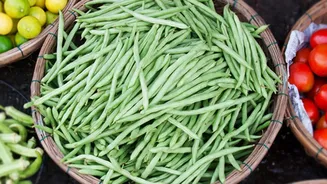
The government has initiated some measures to ease the burden, including allowing duty-free sugar imports and selling onions at subsidized prices in certain states to cool down the market. However, these are temporary fixes. For households, navigating this period requires smart planning. Creating a detailed shopping list and budget before heading to the market can prevent impulse buys. Prioritizing essential items and potentially cutting back on more expensive, non-essential ingredients can help manage costs. Exploring local or wholesale markets, where prices may be lower than in supermarkets, is another effective strategy. Some consumers may also find value in planning meals around vegetables that have remained relatively stable in price, such as potatoes and tomatoes, which have seen deflation. Being flexible and strategic with food purchases can make a significant difference in keeping the household budget in check without dampening the festive spirit entirely.