





Not long ago, urban restaurant menus felt predictably uniform. Now, a quiet revolution is taking place as dishes once confined to home kitchens are appearing in chic city eateries, celebrating India's vast and diverse culinary heritage.
Beyond Butter Chicken and Dosa
For decades, the
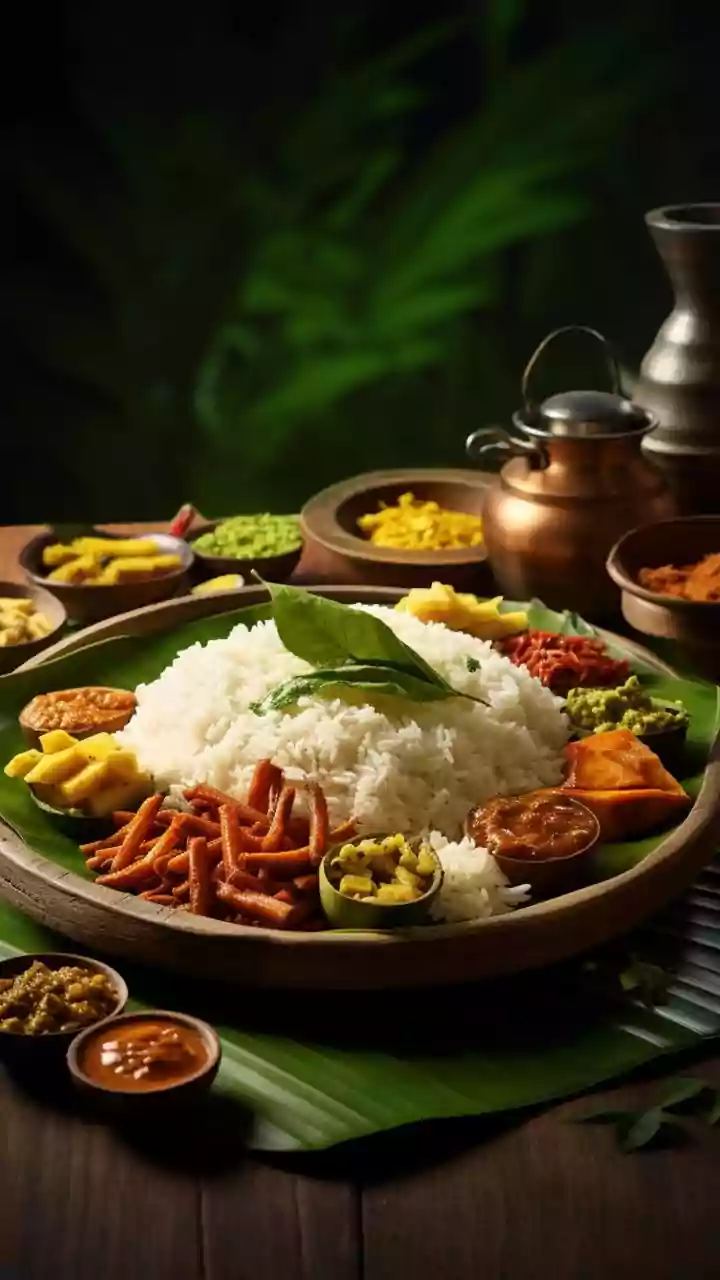
idea of 'Indian food' in the mainstream was a story told with a limited vocabulary: butter chicken, paneer tikka, and dosa were the familiar ambassadors. Beyond these beloved classics, however, lay an immense and largely unexplored landscape of hyperlocal culinary traditions. That is rapidly changing. Today, urban diners are increasingly seeking out meals that tell a deeper story. Restaurants are responding, bringing lesser-known regional cuisines from states like Nagaland, Bihar, and Uttarakhand to the forefront in cities like Delhi, Mumbai, and Bangalore.
A Craving for Home and Authenticity
Several factors are fuelling this delicious trend. One of the most powerful drivers is migration. As millions move to metropolitan areas for work and education, a deep-seated nostalgia for the taste of home follows them. This creates a ready market for entrepreneurs and chefs to serve authentic, home-style meals that offer comfort and a connection to one's roots. Simultaneously, a new generation of diners, more experimental and well-travelled, is looking for authenticity over generic fare. They are curious about the story behind their food—its geography, its community, and its history.
Chefs as Cultural Storytellers
Modern Indian chefs are embracing the role of cultural custodians. They are moving beyond fusion and actively exploring forgotten recipes and indigenous ingredients from their own heritage. Food festivals celebrating the specific cuisines of Bihar, for example, are now regular occurrences in cities like Delhi, curated by chefs dedicated to preserving and promoting their region's culinary legacy. These chefs are not just cooking; they are educating diners, explaining the significance of a particular dish or cooking method and offering a richer, more meaningful experience that goes beyond just taste.
The Social Media Effect
The visual and fastpaced nature of social media has also played a significant role in popularising regional dishes. Food bloggers and Instagram creators can turn a previously unknown dish into a viral sensation overnight. A colourful plate of Odia Pitha or a smoky bowl of Naga pork curry, once shared and liked, becomes an object of desire for thousands of curious foodies. This digital wordofmouth creates buzz and drives footfall to new restaurants, encouraging them to keep hyperregional dishes on their menus.
Redefining a National Cuisine
This movement towards regional specificity is doing more than just expanding menus; it's challenging the monolithic idea of 'Indian food'. It highlights that the nation's culinary identity is not one, but many, shaped by countless communities, climates, and histories. Dishes like Litti Chokha from Bihar or Angami Naga recipes from Nagaland are finding their place on fine dining menus, proving that authenticity and heritage are the new luxury. This shift celebrates India’s extraordinary diversity, one plate at a time, moving the conversation from a few famous dishes to a much richer and more accurate representation of the country's culinary soul.