


The Hidden Risk in Your Morning Juice
For millions of people on blood thinners—medications critical for preventing strokes and dangerous clots—a simple dietary choice could unknowingly alter their treatment. The issue lies with certain common citrus fruits. While packed with vitamins, compounds
in these fruits can interfere with the body's ability to process specific medications, including anticoagulants and antiplatelet drugs. This interaction can cause the level of medication in the bloodstream to rise to potentially unsafe levels, significantly increasing the risk of bleeding. The effect is so pronounced that many prescription labels now include explicit warnings against consuming these fruits.
How This Interaction Works
The science behind this interaction centres on an enzyme called cytochrome P450 3A4, or CYP3A4. This enzyme, found in the liver and the wall of the small intestine, is responsible for breaking down and metabolizing many drugs before they enter the bloodstream. Certain citrus fruits contain natural compounds called furanocoumarins. When you consume these fruits, the furanocoumarins block or inhibit the action of the CYP3A4 enzyme. With the enzyme disabled, much more of the medication can pass into your bloodstream than intended. A standard dose can effectively become an overdose, magnifying the drug's effects and its potential side effects. Importantly, this effect is not easily avoided by separating the medication and the fruit by a few hours; the inhibition can last for up to three days.
Which Juices and Fruits Are Risky?
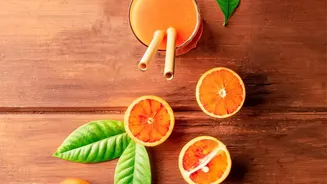
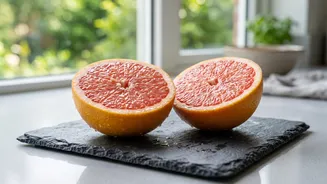
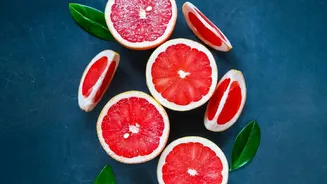
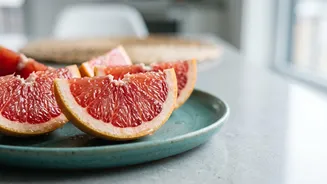
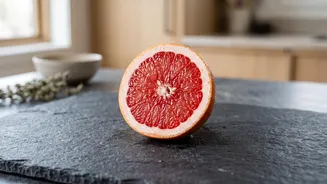
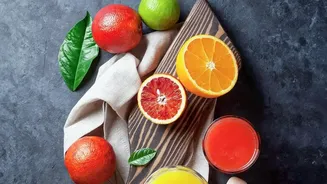
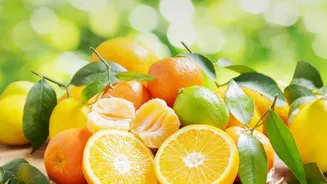
Grapefruit is the most well-known culprit, but it's not the only one. Other citrus fruits that contain furanocoumarins and can cause similar interactions include Seville oranges (often used in marmalades), pomelos, and tangelos (a cross between a grapefruit and a tangerine). Even small quantities, such as a single 200 ml glass of juice or one whole fruit, can be enough to cause a significant interaction. Limes and star fruit have also been implicated in some studies. On the other hand, common sweet oranges (like Navel or Valencia), lemons, and tangerines do not contain these problematic compounds and are generally considered safe to consume for people on these medications.
Blood Thinners and Other Affected Medications
This interaction is a concern for several types of blood thinners. Some studies show an increased risk of bleeding for patients taking anticoagulants like rivaroxaban (Xarelto) or apixaban (Eliquis). The antiplatelet medicine clopidogrel may actually become less effective when taken with grapefruit juice. The guidance on warfarin (Coumadin) has been mixed over the years, with some studies showing little effect while case reports suggest large quantities of grapefruit juice can lead to dangerously high INR levels, a measure of blood clotting time. Given the potential for a serious interaction, many clinicians advise patients on warfarin to avoid grapefruit entirely. Beyond blood thinners, these citrus fruits can also affect certain statins (for cholesterol), calcium channel blockers (for blood pressure), and some psychiatric medications.
Updated Guidance and How to Stay Safe
Given the potential risks, clinical standards now strongly emphasize patient education. If you take a blood thinner or any other medication with a grapefruit warning, the advice is clear: avoid the specific fruits known to cause interactions. This includes grapefruit, pomelos, Seville oranges, and tangelos in all their forms—fresh fruit, juice, and marmalades. Do not stop taking your medication if you have been regularly consuming these fruits. Instead, inform your doctor or pharmacist immediately. They can assess your risk, possibly check your medication levels or clotting time, and provide guidance on how to safely adjust your diet. Always read the patient information leaflet that comes with your prescription and ask your pharmacist about any potential food interactions when starting a new medication. Choosing safer alternatives like sweet oranges or apples can help you maintain a healthy diet without compromising your treatment.