






The Heartland's Audio Wave
For years, podcasting in India was a niche affair, dominated by English-speaking creators in metropolitan hubs. But the script has flipped. A massive podcasting boom is underway, and its epicentre is far from the coastal megacities. Driven by affordable
data, ubiquitous smartphones, and a hunger for relatable content, the industry is experiencing explosive growth in Tier 2 and Tier 3 cities. Market reports from 2026 highlight that the most significant driver of this expansion is the surge in vernacular, mobile-first content consumption. Listeners in cities like Jaipur, Lucknow, Bhopal, Indore, and Patna are not just consumers; they are becoming the driving force of the market, with a clear preference for content in their native languages. This shift is democratizing the audio landscape, proving that a compelling story in Hindi can build a more loyal audience than a polished English production. Over 65% of new podcast listeners now prefer regional languages, a testament to the power of local voices.
Gen Z Finds Its Voice in Hindi
So, who is behind the mic? The answer is overwhelmingly India's Gen Z. This is a generation that has grown up online, comfortable with creating and sharing content, but they are seeking a medium that offers more depth and authenticity than a 60-second social media clip. Podcasting fits the bill perfectly. It allows for nuance, long-form conversations, and a direct, intimate connection with the audience. For these young creators from cities like Indore and Patna, Hindi is not just a language; it's a tool for authenticity. They speak the way their listeners speak, discussing everything from career guidance and mental health to local stories and pop culture, creating a powerful sense of community. Platforms have taken notice, with major players like Spotify and JioSaavn actively investing in and promoting regional content, particularly in Hindi, which commands an estimated 38% of the market share.
From Simple Mics to Serious Influence
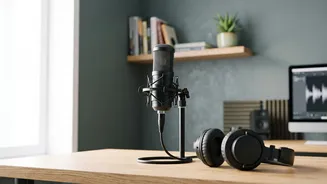
The barrier to entry for podcasting is incredibly low, which is a key part of its appeal for creators outside the traditional media ecosystem. Anyone with a smartphone and a quiet room can start a show. This DIY ethos resonates with listeners who are often tired of the overly produced, sanitised content from mainstream media. What these creators may lack in studio equipment, they make up for in relatability. They are building trust-based relationships with their audiences, one episode at a time. This trust is the new currency in the creator economy. When a host they have listened to for hours recommends something, it feels like advice from a friend. And while monetisation is still an evolving challenge for many, the path is becoming clearer through a mix of advertising, brand sponsorships, and direct-to-fan models. The most successful creators understand that the podcast is a content engine; short clips for social media drive discovery, leading new listeners back to the long-form show.
Why This Trend Matters
The podcast explosion in the Hindi heartland is more than just a media trend; it's a significant cultural and economic shift. It signals the decentralization of content creation, empowering voices that have traditionally been on the periphery. Young people in cities like Indore and Patna no longer need to move to Delhi or Mumbai to build a media career or find an audience. They are creating their own opportunities, telling their own stories, and defining a new, more inclusive Indian pop culture in the process. This movement reflects a growing confidence in regional languages and local narratives. While superstar-hosted podcasts often grab headlines, the real story is the ground-up revolution happening in the towns and smaller cities across the nation. The success of these Hindi-language podcasters proves that in the digital age, authenticity speaks louder than a big budget.