



Gather Your Fresh Ingredients
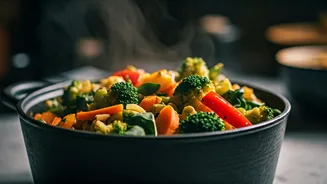
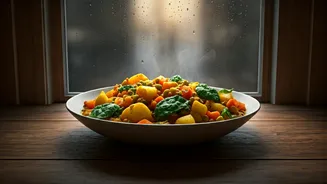
The beauty of a vegetable cutlet lies in its versatility. While potatoes form the essential base, you can incorporate a variety of other vegetables. [4, 5] The most common additions include finely chopped carrots, green beans, and peas. [2] For the binding
and texture, you'll need boiled and mashed potatoes, which hold everything together. [4] The flavour profile comes from a mix of aromatic spices. Key players include finely chopped onions, ginger, garlic, green chillies, turmeric powder, and garam masala. [2, 3] To achieve that signature crispy coating, breadcrumbs are a must. Some recipes also suggest using panko breadcrumbs for an even crispier texture or powdered poha (flattened rice) as a healthier alternative. [3, 5]
Step-by-Step to the Perfect Patty
Begin by boiling or steaming your chosen vegetables—potatoes, carrots, beans, and peas—until they are tender but not mushy. [5, 8] It is crucial to drain any excess water to prevent the mixture from becoming soggy. [5] Once cooked, transfer the vegetables to a large bowl and mash them coarsely; you want some texture, not a complete paste. [1] In a separate pan, heat a little oil and sauté chopped onions until translucent. [1] Add ginger, garlic, and green chillies, followed by powdered spices like turmeric, chilli powder, and cumin powder, frying for a minute until fragrant. [1] Add this tempering to the mashed vegetables, season with salt, and mix everything thoroughly. Allow the mixture to cool completely before shaping. This is a crucial step, as a warm mixture can be difficult to handle and may cause the cutlets to break.
Achieving the Ultimate Crispy Coating
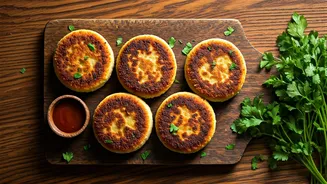
The secret to a non-soggy, perfectly crisp cutlet is a two-step coating process. First, prepare a thin slurry. This can be made by mixing all-purpose flour (maida) or cornflour with a bit of water to form a paste. [4] In a separate plate, spread your breadcrumbs. [7] Take a portion of the cooled vegetable mixture and shape it into a round or oval patty. [1] Dip each patty first into the slurry, ensuring it's lightly coated, and then immediately dredge it in the breadcrumbs, pressing gently so the crumbs adhere well. [4, 7] For an even firmer cutlet, you can refrigerate the coated patties for about 30 minutes before frying. [2] This helps them hold their shape in the hot oil.
Frying, Baking, or Air-Frying
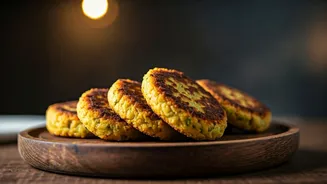
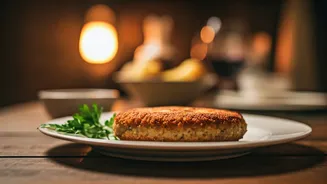
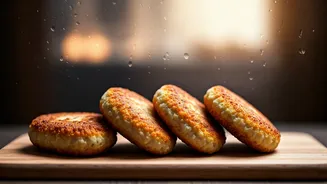
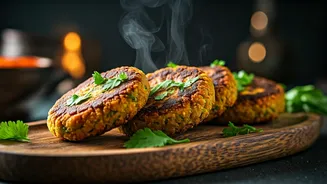
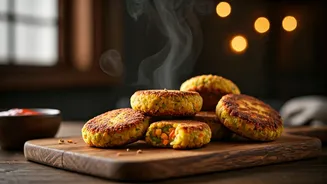
Traditionally, cutlets are shallow-fried until golden brown and crisp on both sides. [1] Heat oil in a skillet over a medium flame. [9] Don't overcrowd the pan, as this can lower the oil temperature and result in oily cutlets. [9] Fry them in batches, placing the finished cutlets on absorbent paper to drain any excess oil. [1] For a healthier take, you can bake or air-fry them. To bake, preheat your oven to around 200°C (390°F), arrange the cutlets on a greased tray, and bake for 15-20 minutes, flipping halfway through. [4, 5] For air-frying, place the cutlets in the basket, perhaps with a light spray of oil, and air-fry at 180°C (360°F) for 16-18 minutes, or until crisp. [5]
Variations and Serving Suggestions
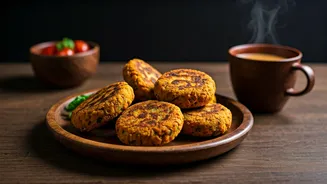
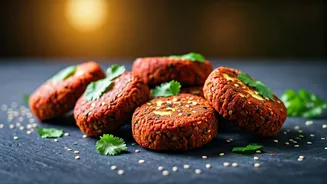
Don't be afraid to experiment with the filling. You can add grated beetroot for a vibrant colour and sweetish taste, crumbled paneer for richness, or even sweet corn for a juicy bite. [12, 5] Some recipes suggest adding a small amount of soaked poha or bread slices to the vegetable mixture itself to absorb excess moisture and add to the crispness. [3, 6] These delicious cutlets are traditionally served hot as a popular evening snack in India. [4] They pair wonderfully with a simple tomato ketchup, a tangy tamarind chutney, or a fresh and spicy mint-coriander chutney. [6] For a more substantial meal, you can even place a cutlet between two slices of bread to make a hearty sandwich. [1]