



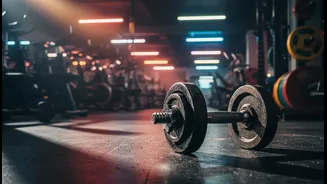



Understanding the Shift: Splits vs. Loops
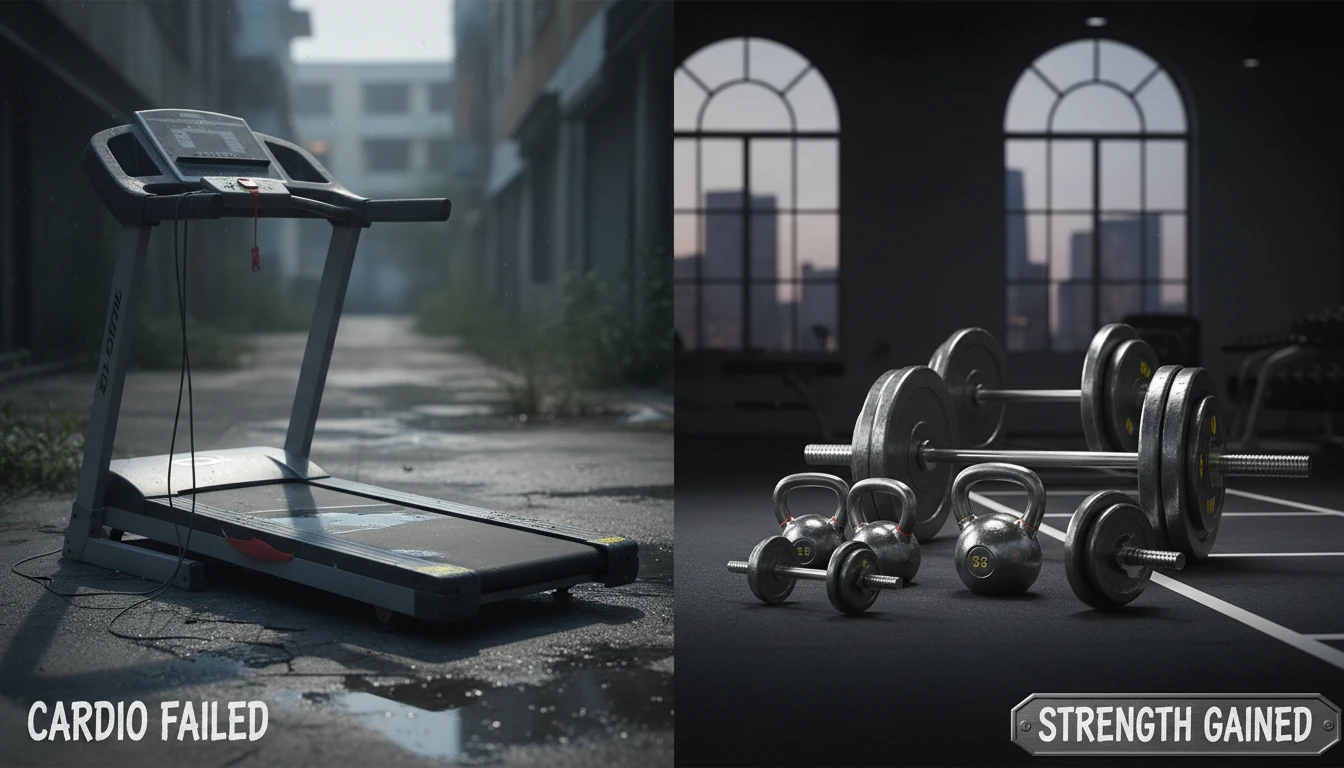
First, let's break down the terms. The "traditional long-distance cardio loop" refers to steady-state aerobic exercise, like a long run or session on the elliptical, performed for an extended period. In contrast, "resistance training splits" involve dividing
workouts to focus on specific muscle groups on different days. Common examples include an 'upper/lower' split (training the upper body one day, lower body the next) or a 'push/pull/legs' routine. This structured approach allows for more intense focus on each muscle group and ensures adequate recovery time, which is crucial for muscle growth and repair.
The Metabolic Advantage
One of the most significant reasons for the switch is metabolism. While cardio burns calories during the activity, strength training builds metabolically active muscle tissue. The more lean muscle you have, the higher your resting metabolic rate (RMR), meaning your body burns more calories throughout the day—even when you're sitting at your desk. This creates a long-term fat-burning engine that endless cardio sessions alone cannot replicate, making it a more efficient strategy for managing body composition.
Hormonal Health and Stress Management
Chronic, long-duration cardio can sometimes elevate cortisol, the body's primary stress hormone. Persistently high cortisol can lead to fatigue and increased fat storage, particularly around the midsection. In contrast, strength training can help regulate hormones like insulin and cortisol. Moreover, while very high-intensity endurance training can sometimes disrupt female hormones if not paired with adequate nutrition, well-managed resistance training supports a healthy hormonal profile, which is essential for overall wellness.
Building Strength and Bone Density
For women, building and maintaining strength is not just about lifting heavy—it's about long-term health. Sarcopenia, or age-related muscle loss, begins as early as our 30s. Resistance training is the most effective way to combat this. Furthermore, it's one of the best activities for improving bone density. By putting stress on the bones, weight-bearing exercises stimulate bone-forming cells, which helps protect against osteoporosis, a condition to which women are particularly susceptible as they age.
Achieving a 'Toned' Physique
Many women seek a "toned" or "sculpted" look, which is often misunderstood. This aesthetic is the result of having visible muscle definition, which requires two things: building muscle and having a low enough body fat percentage for it to show. Cardio can help with fat loss, but it doesn't build muscle. Resistance training is what creates the shape and firmness many people desire. The myth that lifting weights will make women "bulky" has been widely debunked; women's hormonal makeup naturally limits the amount of muscle it's possible to gain without extremely specific training and nutrition protocols.
Efficiency and Empowerment
In a time-crunched world, efficiency is key. A focused 45-minute strength session can often deliver more transformative results than a much longer cardio workout. Beyond the physical, there's a powerful mental component. The process of getting progressively stronger, lifting heavier weights, or mastering a new movement provides a tangible sense of accomplishment and confidence that many find deeply empowering. It shifts the focus from simply shrinking one's body to building a stronger, more capable one.