







The Rise of Functional Foods
Walk down any supermarket aisle, and you'll find them: foods and drinks that do more than just fill you up. These are called functional foods. They are products enriched with added nutrients like vitamins, minerals, probiotics, or herbs, designed to offer
specific health benefits beyond basic nutrition. Think of probiotic yogurts for gut health, juices fortified with vitamins for immunity, or protein bars for muscle repair. This trend has exploded in India, driven by a growing focus on preventive healthcare and wellness. While India has a long tradition of functional foods like 'haldi doodh' and 'kadha', the modern versions come in convenient packages with bold claims.
The Problem with Vague Promises
The challenge for consumers lies in the gap between marketing hype and scientific fact. Brands use appealing terms like “natural,” “healthy,” “superfood,” or “immunity booster” to attract buyers. However, these claims can often be vague or misleading. The Food Safety and Standards Authority of India (FSSAI) has started cracking down on brands for using such terms without sufficient proof. For instance, a product might be high in sugar, but its front-of-pack advertising will only highlight its vitamin content. The FSSAI's Advertising and Claims Regulations of 2018 were created to tackle this, mandating that all health claims must be scientifically substantiated. But the responsibility often falls on the consumer to tell the difference.
How to Decode the Nutrition Label
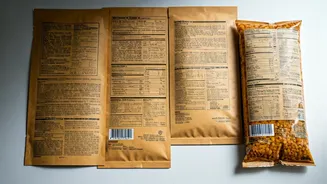
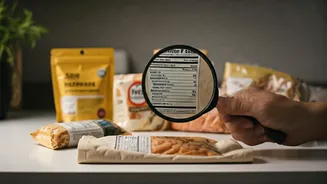
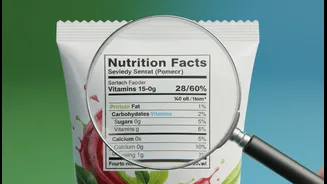
The most powerful tool you have is the back of the pack. Ignore the flashy claims on the front and turn the product over. The FSSAI mandates a detailed nutrition label that provides the real story. First, look at the ingredients list. Ingredients are listed in descending order by weight, so the first few items make up most of the product. If sugar (or its various names like glucose syrup, dextrose, or invert syrup) is one of the top three ingredients, the product is likely high in sugar. Next, check the ‘per 100g’ column in the nutritional information table. This allows you to compare different products fairly. Pay attention to the amounts of sugar, sodium (salt), and saturated fat. FSSAI regulations define what terms like “low fat” or “high protein” actually mean based on the percentage of the Recommended Dietary Allowance (RDA) per serving. A Daily Value (DV) of 5% or less is low, while 20% or more is high.
Verifying Claims and Spotting Red Flags
Beyond the label, there are other ways to become an informed shopper. Be skeptical of claims that sound too good to be true, such as promises to cure a disease, which are prohibited by FSSAI. Look for third-party certifications on the packaging. While an FSSAI license is mandatory, other marks like the BRCGS (Brand Reputation Compliance Global Standards) or IFS (International Food Standard) can indicate higher quality control practices. Also, check the manufacturer’s website for any scientific studies they cite to back up their claims. If a brand isn’t transparent about its research, it’s a red flag. Finally, be wary of non-addition claims like “no added sugar.” While no extra sugar may have been added, the product could still be high in naturally occurring sugars or contain artificial sweeteners. The FSSAI has also started acting against misleading 'zero maida' and 'vegan' claims, so always check the full ingredient list.