
The New Kitchen Confidential
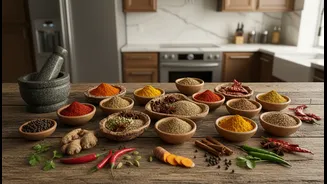
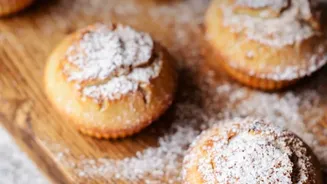
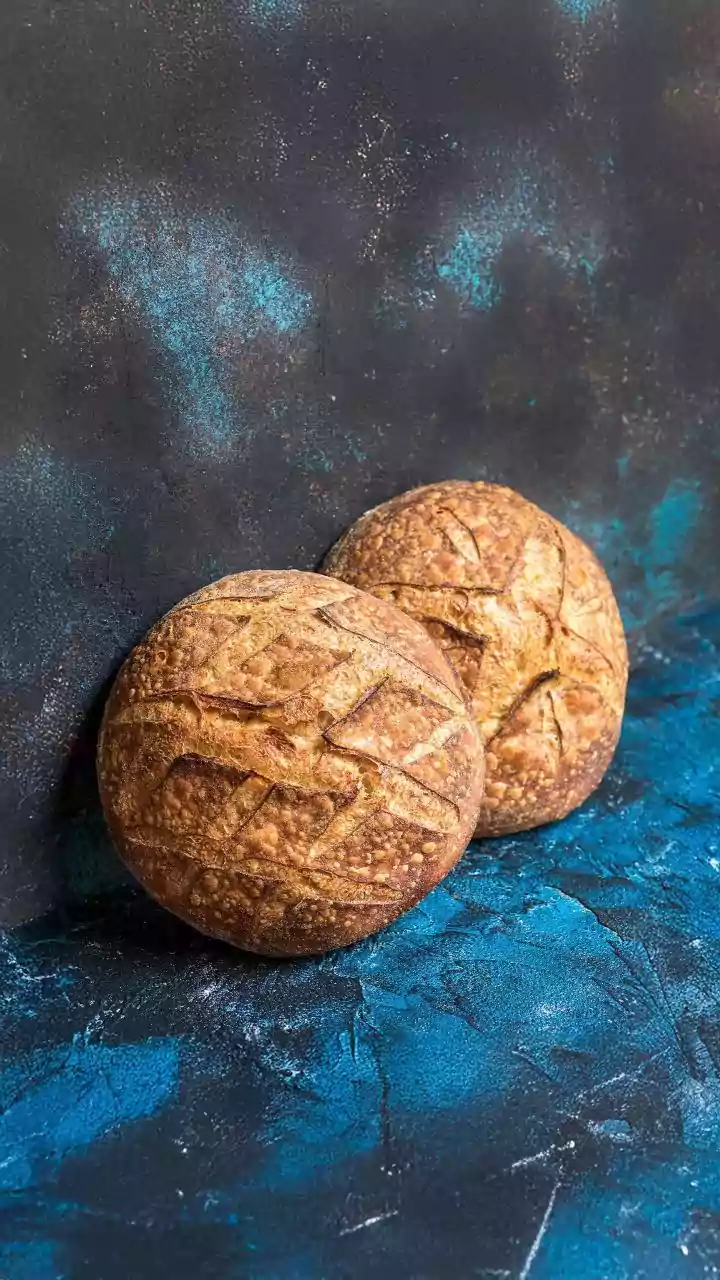
There’s a quiet confidence brewing in the Indian home kitchen, and it smells like cardamom, saffron, and rosewater mingling with cheesecake. The latest wave of home baking has moved far beyond mastering sourdough. It’s now about re-imagining global classics
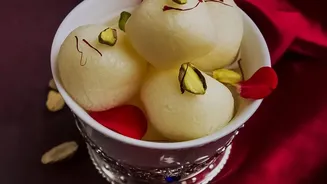
with a distinctly Indian soul. Think of a creamy, luscious cheesecake, but with soft, syrupy gulab jamuns nestled inside its centre. Or an Italian tiramisu where the coffee-soaked ladyfingers are replaced with delicate, spongy rasmalai. This isn't just about adding a pinch of spice; it's a full-blown culinary movement that celebrates both global exposure and local nostalgia. These creations are a delicious testament to a generation that is comfortable blending cultures on a single plate.
Fuelled by Social Media Feeds
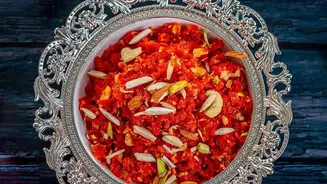
The engine of this trend is undoubtedly the visual world of social media. Platforms like Instagram and YouTube have become the ultimate stage for these home bakers to showcase their inventive creations. A well-shot video of a Motichoor Ladoo Parfait being layered or a Gajar Halwa Tart getting its crumbly topping can quickly go viral, turning a home experiment into a city-wide craving. These digital platforms have not only provided a ready audience but have also democratized the food industry. Home cooks with no professional training are building large followings and even launching successful businesses from their kitchens, proving that a great idea and a photogenic dessert can be a powerful combination. The visual appeal—the vibrant colours, the rich textures, the dramatic toppings—is a huge part of the allure.
A Taste of Nostalgia, A Touch of the New
So, why is this fusion happening now? It’s a mix of cultural confidence and evolving palates. For many, these desserts hit a sweet spot between the comfort of familiar tastes and the excitement of something new. They evoke the nostalgia of festive mithai but are presented in modern, often less sugary, formats that appeal to a younger generation. Creations like Paan Panna Cotta, Thandai Mousse, and Chai Crème Brûlée offer the flavours many grew up with, but in textures and forms borrowed from European dessert traditions. This blending allows bakers to honour their heritage while innovating, creating something that feels both personal and contemporary. It's a way of saying, 'we love our traditions, and we also love to experiment'.
Beyond Desserts: The Savoury Side
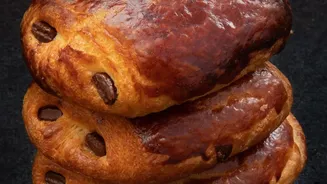
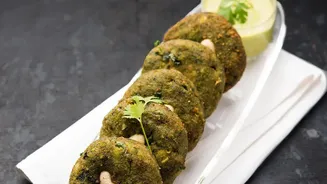
The trend isn't limited to sweets. Savoury classics are getting a desi makeover too. Imagine buttery, flaky croissants filled not with almond paste, but with a spicy South Indian potato filling or a rich paneer butter masala. Tacos filled with tandoori chicken, pasta tossed in a makhani sauce, and pizzas topped with paneer tikka are moving from niche restaurant menus to everyday home cooking. These dishes reflect a playful and fearless approach to food. They break down the rigid walls between cuisines, suggesting that deliciousness can be found in the most unexpected combinations. This movement is less about strict authenticity and more about creative expression and pure enjoyment.
A Reflection of Modern India
Ultimately, this wave of fusion cooking is more than just a food trend; it's a reflection of modern Indian identity. It speaks to a generation that has grown up with global influences via the internet and travel, yet remains deeply connected to its own cultural roots. The ability to take a Western concept like a cheesecake or a burrito and confidently infuse it with Indian flavours shows a culinary scene that is no longer just imitating, but innovating. It signals a coming-of-age for Indian cuisine on both a domestic and global stage, where 'desi' flavours are not just an ingredient, but the star of the show. These home bakers are not just making food; they are crafting a new narrative about what it means to be Indian today.