


The New Morning Equation: Time-Poor, Health-Rich
The traditional Indian breakfast, while beloved, is often a labour of love. In today's India, however, the equation has changed. Urbanisation, longer commutes, and an increase in double-income households mean that time is the most precious commodity in the morning.
[17, 5] This time crunch is fuelling a massive demand for convenient, ready-to-eat breakfast options. [17] Yet, this isn't a simple switch to toast and cornflakes. A growing wave of health consciousness is running parallel to the need for speed. Consumers are actively seeking out breakfast choices that are not just quick but also nutritious, packed with protein, fibre, and essential vitamins. [17, 7] It's a move away from high-sugar, high-fat options towards wholesome meals that provide a sustained energy release to power through a busy day.
The 'Overnight' Sensation: Oats and Millets
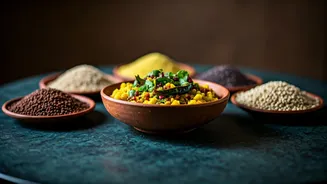
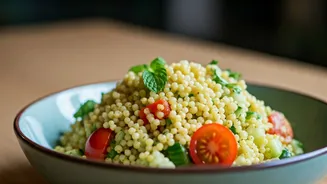
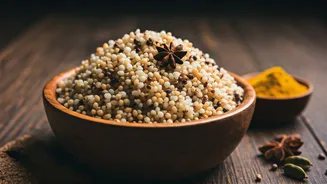
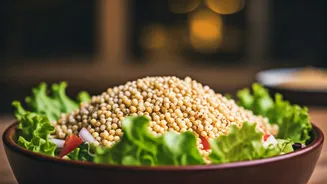
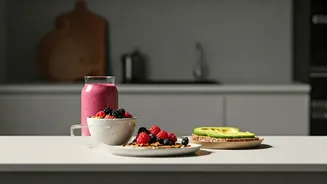
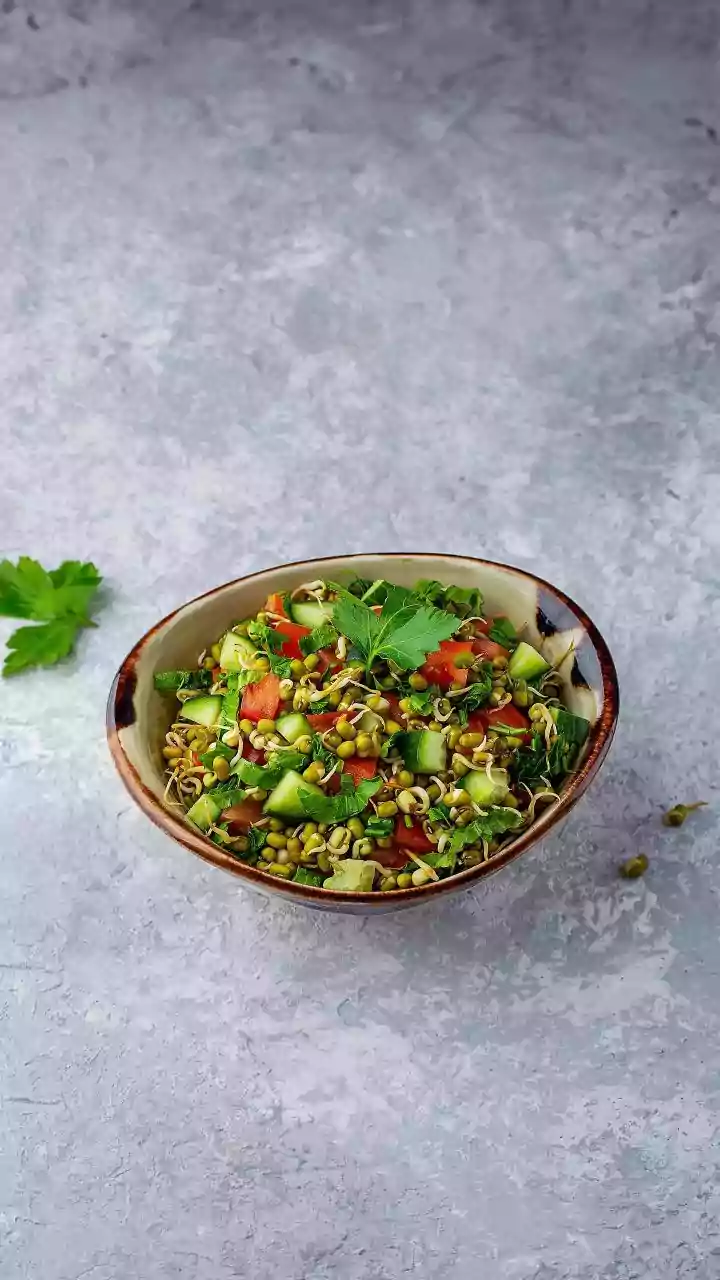
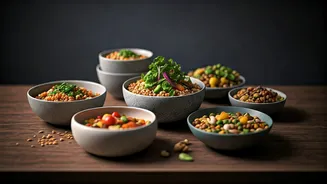
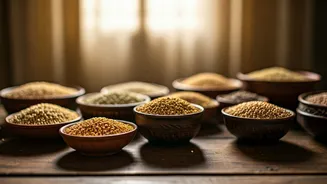
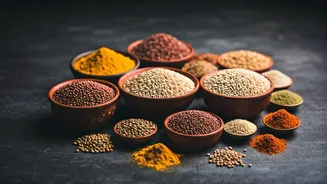
The phrase 'overnight upgrade' is both literal and figurative. Leading the charge are make-ahead breakfasts like overnight oats, which have become a sensation in urban India. [24] Soaking rolled oats in milk or yogurt, often with fruits and seeds, creates a ready-to-eat, chilled, and nutritious meal by morning. This concept perfectly marries convenience with health. But it’s not just an imported trend. There's a distinctly Indian twist emerging with the use of ancient grains. [21] Millets like ragi, foxtail, and jowar are making a powerful comeback. [6, 9] Brands and home cooks are creating 'overnight millet' pots and quick-cooking millet porridges, offering a gluten-free and nutrient-dense alternative to oats. [23, 25] These grains, once considered humble fare, are now celebrated for their health benefits and are being seamlessly integrated into the modern breakfast bowl. [14]
Tradition in a Ready-to-Eat Avatar
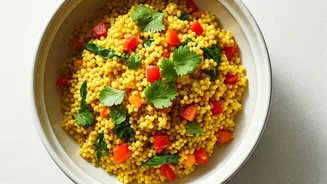
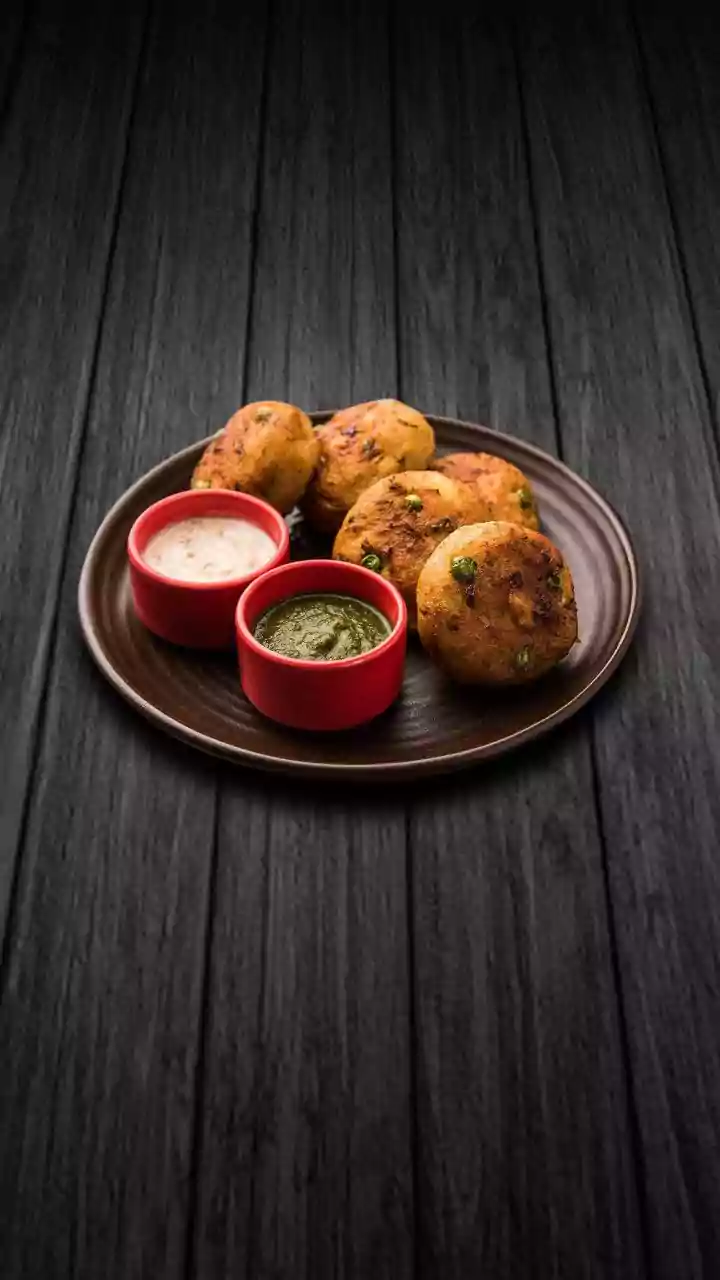
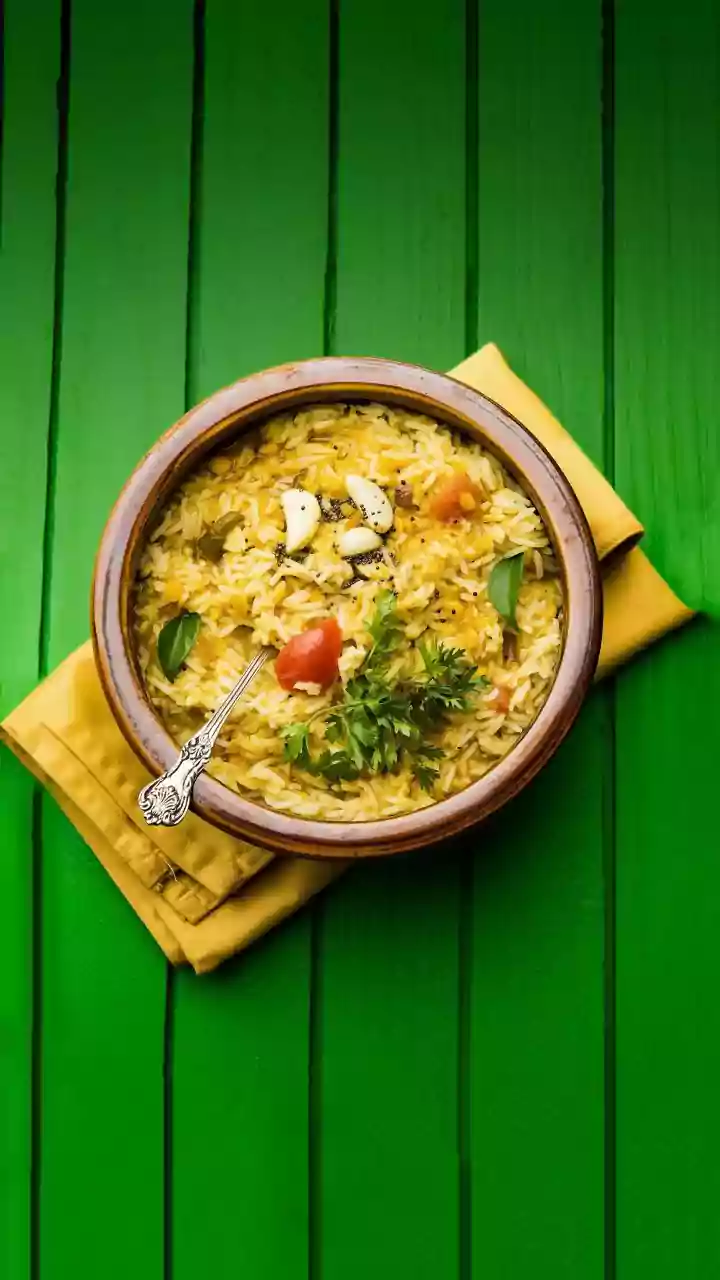
This breakfast evolution isn't about abandoning classics like poha, upma, or idli. Instead, it's about reinventing them for the modern age. The ready-to-cook (RTC) market for traditional Indian breakfast items is booming. [26] Major food brands have launched instant versions of these beloved dishes, which require little more than adding hot water and waiting a few minutes. [26] You can now find everything from ready-to-eat poha cups to instant upma mixes and dosa batters that have a restaurant-style taste. [2, 22] This allows people to enjoy the comforting flavours of a home-cooked meal without the extensive prep time, satisfying both a sense of nostalgia and the demands of a hectic schedule. [16] The market for these products is expanding so rapidly that it's even finding a significant consumer base in rural India. [19]
The Rise of the Protein-Packed, Plant-Based Morning
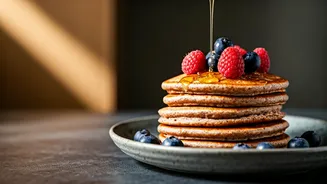
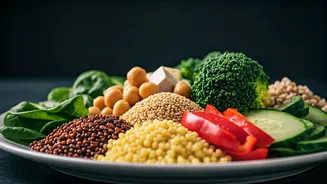
Another significant shift is the focus on protein. Whether it's to support a fitness regimen or simply to stay full longer, Indians are actively looking for high-protein breakfasts. This has led to the popularity of dishes like moong dal chilla (lentil pancakes), paneer bhurji (scrambled cottage cheese), and masala omelettes. [3, 7] There's also a growing interest in plant-based and vegan options. Savoury pancakes made from gram flour (besan chilla) or various lentils (adai) are high in protein and naturally vegan. [4, 6] Even global trends like smoothie bowls are being adopted with an Indian twist, incorporating local fruits, seeds, and superfoods like roasted makhana (fox nuts). [9] This fusion reflects a society that is rooted in its culinary heritage yet open to global influences. [9, 10]