






Choose the Right Pot and Variety
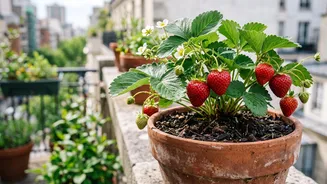
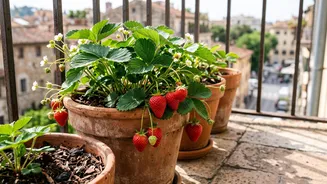
Success with balcony strawberries begins with the right container. Choose a pot that is at least 8 to 12 inches deep and wide, ensuring it has several drainage holes to prevent waterlogging, which can cause root rot. Terracotta pots are a great choice
as they are porous and keep the soil cool, but lighter plastic pots also work well. For Indian conditions, especially for container gardening, look for 'everbearing' or 'day-neutral' varieties like Seascape, as they produce fruit throughout the season. Popular commercial varieties like Chandler, Sweet Charlie, and Camarosa also perform well and are widely available. It's best to buy healthy young plants or runners from a nursery rather than starting from seed, as this ensures a quicker, more reliable harvest.
The Perfect Soil Foundation
Strawberries have shallow roots and are heavy feeders, so a nutrient-rich, well-draining soil mix is crucial. Avoid using heavy garden soil directly in pots as it can become compacted. Instead, create a light, airy mix. A proven recipe for pots in India is a blend of equal parts garden soil, cocopeat (for moisture retention), and organic compost or vermicompost (for nutrients). For even better drainage, you can add a small amount of sand or perlite to the mix. This combination ensures that the roots get the air they need while staying consistently moist but not soggy.
Sunlight and Watering for Winter
Strawberries need plenty of sun to produce sweet, flavourful fruit. Find a spot on your balcony that receives at least 6 to 8 hours of direct sunlight, especially the gentler winter sun. A south-facing balcony is often ideal during these months. Watering correctly during winter is a balancing act. The soil should be kept consistently moist, but overwatering in cool weather is a common mistake that leads to fungal diseases. A good rule is to water only when the top inch of soil feels dry to the touch. Always water the soil at the base of the plant in the morning, avoiding the leaves and crown to prevent rot.
Feeding and General Care
Since nutrients in pots can wash out quickly, regular feeding is important. During the winter growing season, apply a balanced, organic liquid fertiliser every 3 to 4 weeks once the plant starts flowering to support fruit production. Avoid high-nitrogen fertilisers, which encourage leafy growth at the expense of berries. Mulching the soil surface with a layer of straw or dry leaves is highly recommended. This keeps the developing berries clean, retains soil moisture, suppresses weeds, and insulates the roots from temperature swings. Also, pinch off any 'runners' (long, leafless stems) that appear, as this directs the plant's energy into producing more fruit instead of new plants.
Natural Pest and Disease Management
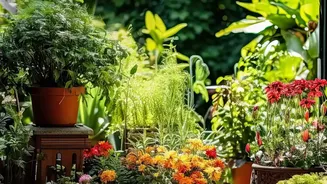
Potted plants are generally less prone to pests, but it's good to be watchful. Aphids and spider mites can sometimes appear. These can often be managed by spraying the plant with a simple solution of insecticidal soap or neem oil. Encouraging beneficial insects by having other flowering plants nearby can also help. Good air circulation is key to preventing fungal issues like powdery mildew, so don't overcrowd your plants. Companion planting with herbs like basil, chives, or thyme in nearby pots can also naturally repel many common pests.
Harvesting Your Balcony Berries
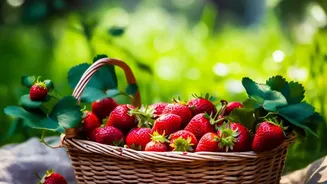
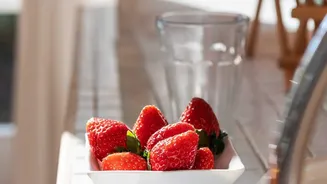
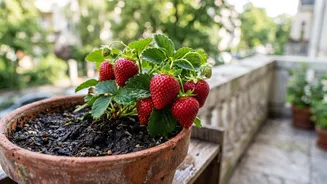
Depending on the variety and planting time, you can expect to see delicate white flowers appear, which will soon turn into fruit. The reward for your care comes when it's time to harvest. Berries are ready to be picked when they are uniformly bright red. Harvest them in the morning when the fruit is cool, and use a pair of scissors to snip the stem, leaving a small piece attached to the berry. Regular harvesting encourages the plant to produce more fruit, extending your delicious harvest through the winter and into spring.