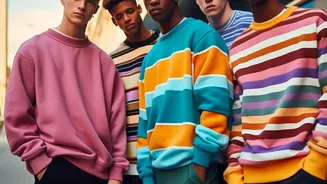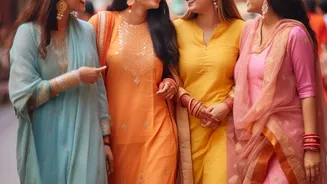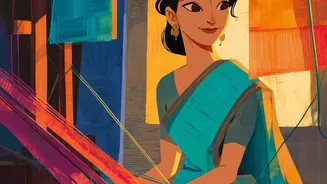

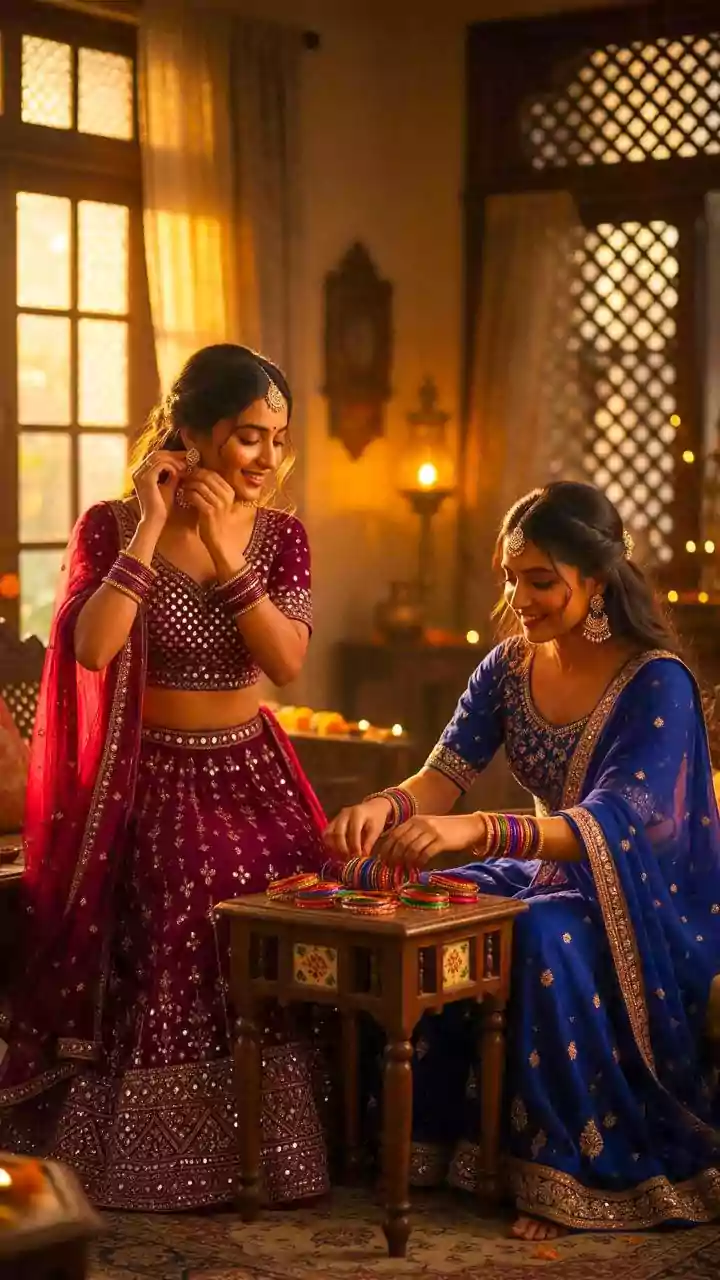
In an era of fast fashion, a quiet but powerful shift is taking place in Indian wardrobes. Consumers are rediscovering the timeless charm of handloom, drawn to its unique beauty, sustainable roots, and surprising affordability.
The New Definition of Premium
For years, 'premium' in
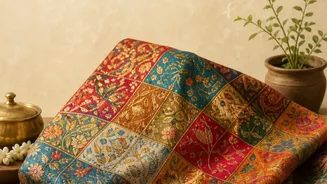
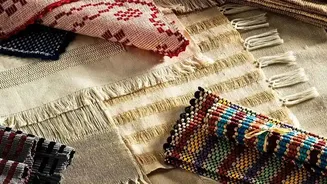
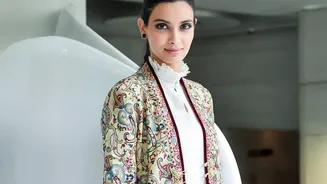
fashion meant a European brand name or a sky-high price tag. Today, that definition is being rewritten. A growing number of style-conscious consumers are finding luxury not in mass-produced perfection, but in the authentic, story-rich character of handwoven textiles. The appeal lies in their distinctiveness; the subtle irregularities in a hand-thrown shuttle or the natural variations in hand-spun yarn are not flaws, but signatures of human craftsmanship. This shift is driven by a desire for authenticity and a deeper connection to what we wear, turning away from fleeting trends towards pieces with soul and longevity.
A Conscious Choice for Style and Planet
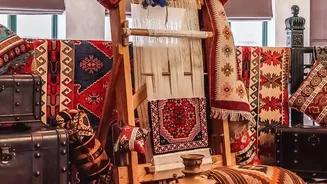
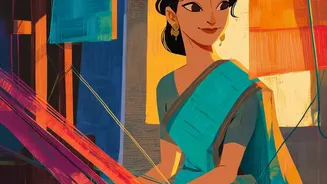
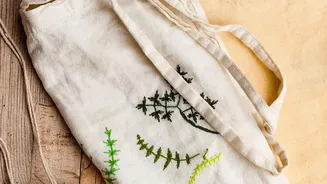
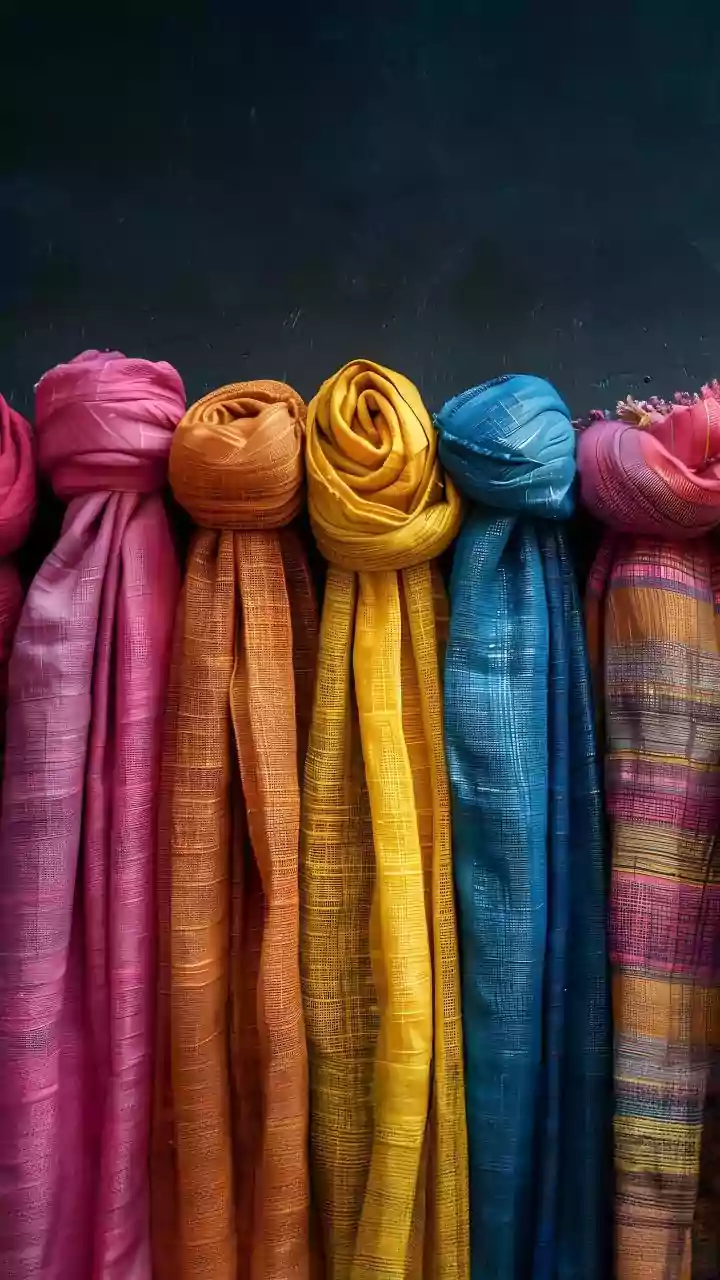
The handloom revival is deeply connected to the global slow fashion movement. As awareness of fashion's environmental impact grows, handloom stands out as an inherently sustainable choice. The weaving process consumes minimal electricity, relying on the skill of the artisan rather than fossil fuels. Many weavers use natural dyes derived from plants and minerals, which are biodegradable and less polluting than their synthetic counterparts. By choosing handloom, consumers are not just making a style statement; they are supporting rural economies, preserving generational skills, and investing in a production process that is kinder to the planet.
Spotlight on Regional Weaves
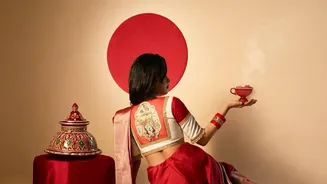
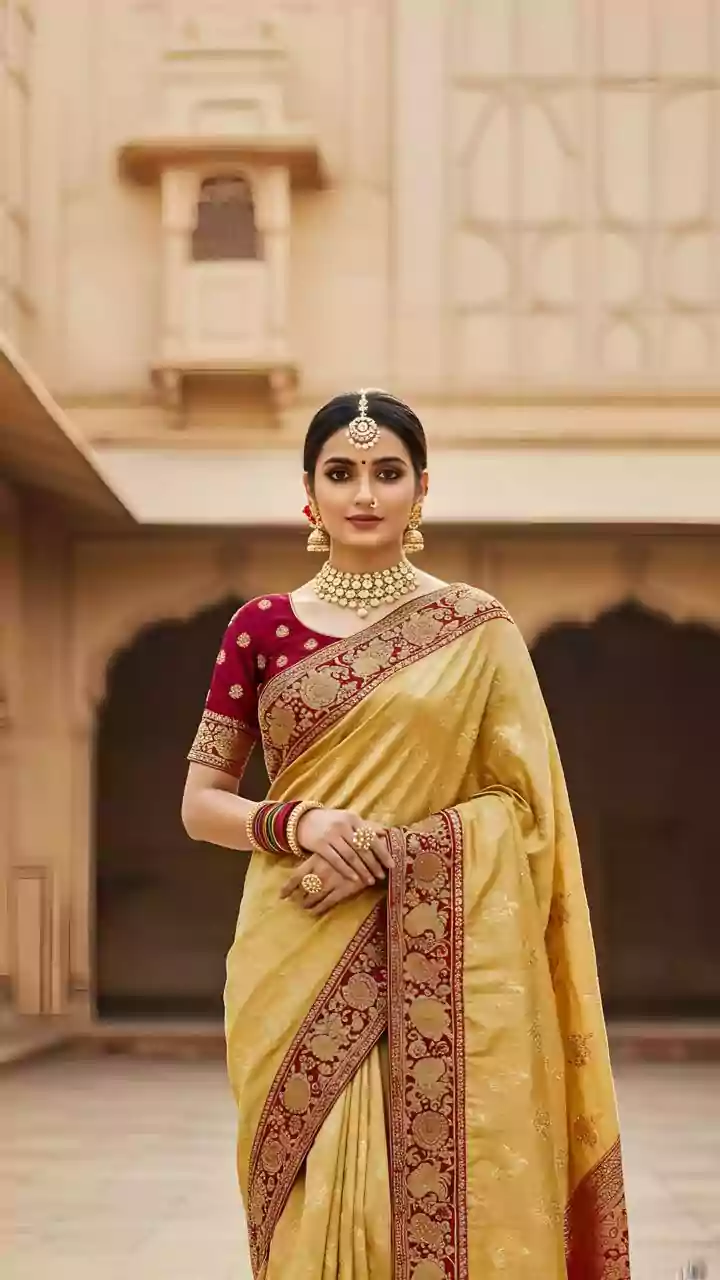
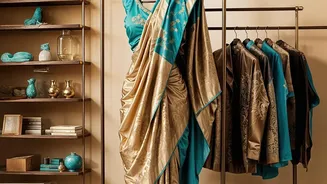
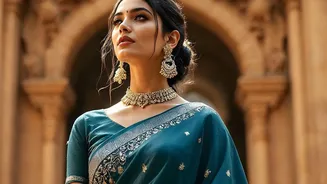
India’s diversity is woven into its textiles, with each region offering a unique aesthetic. In West Bengal, the gossamer-fine Jamdani features delicate motifs that seem to float on the fabric. From Odisha and Telangana comes the stunning Ikat, where threads are tie-dyed with precision before being woven into geometric patterns. Madhya Pradesh offers the breezy and elegant Chanderi, a blend of silk and cotton known for its sheer texture and lightweight feel, perfect for daily wear. Meanwhile, the rich Banarasi silks from Uttar Pradesh, with their intricate gold and silver zari work, remain the gold standard for festive and bridal wear. These are not just fabrics; they are cultural heirlooms, each telling the story of its origin.
Accessible Luxury: What It Really Costs
The phrase 'accessible rates' can be misleading. A handloom saree won't be cheaper than a fast fashion garment, but it offers unparalleled value. The cost reflects the days or even weeks of skilled labour, the quality of natural fibres, and the artistry involved. A simple, genuine handloom cotton saree might start around ₹2,500–₹4,000, while festive silks like Kanjeevarams can range from ₹8,000 to upwards of ₹60,000 depending on the complexity and zari purity. When compared to designer labels that command lakhs, these handcrafted pieces represent a form of accessible luxury. The value is measured not just in price, but in 'cost per wear'. A timeless handloom piece, worn and cherished for years, is a far smarter investment than a trendy item that is discarded after one season.