


The Big Chill: A Tale of Two Climates
November is a month of transition. The monsoon has long passed, leaving the air dry and visibility excellent. Expect bright, sunny days that can feel pleasantly warm, with temperatures in lower altitudes hovering between 10°C and 15°C. However, this is only
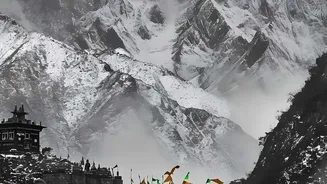
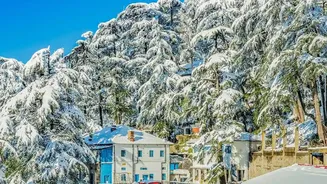
half the story. Once the sun sets, temperatures plummet, often dropping below freezing, especially at higher elevations. This drastic daily temperature swing is the single most important factor to prepare for. The weather remains largely stable, with minimal rainfall, making it a reliable month for travel if you are prepared for the cold.
Trekking Trails: A Mixed Bag
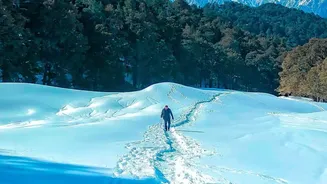
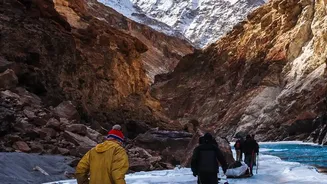
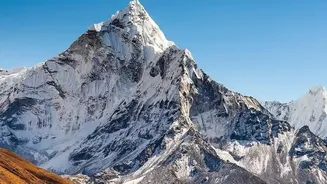
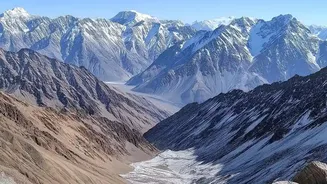
For trekkers, November offers a unique window of opportunity. The trails are quieter as the peak season crowds of October have thinned out. The clear skies promise spectacular, unobstructed views of snow-capped peaks. Many lower to mid-altitude treks in Uttarakhand and Himachal Pradesh, such as Kedarkantha, Har Ki Dun, Brahmatal, and Hampta Pass, are considered ideal during this time. These routes showcase golden meadows and the first signs of winter snow without the extreme conditions of deep winter. However, high-altitude passes and the most challenging treks begin to close. Heavy snowfall at the highest reaches can make trails impassable, and many expedition-style treks are no longer feasible. It is crucial to check the current status of any specific trail before planning your trip.
Sightseeing and Road Travel
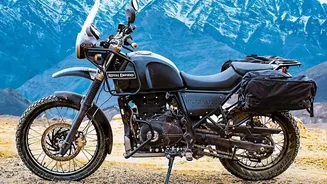
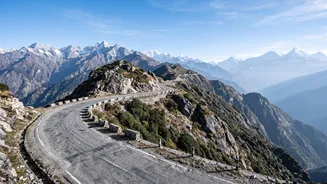
While flights to primary hubs like Leh operate year-round, road accessibility becomes a major concern in November. Major arterial routes like the Manali-Leh Highway are typically closed for the season due to snow and ice at high passes like Rohtang La and Baralacha La. The Srinagar-Leh highway may remain open into early November but is subject to closure depending on weather. Within regions like Ladakh, local roads to popular spots like Nubra Valley often remain accessible, but this is highly dependent on daily conditions. In Uttarakhand, the sacred Char Dham Yatra pilgrimage concludes, with most temple doors closing by mid-November as the regions become snowbound. Always check with local authorities for the most up-to-date road status before travelling.
Embracing the Cold: What to Pack
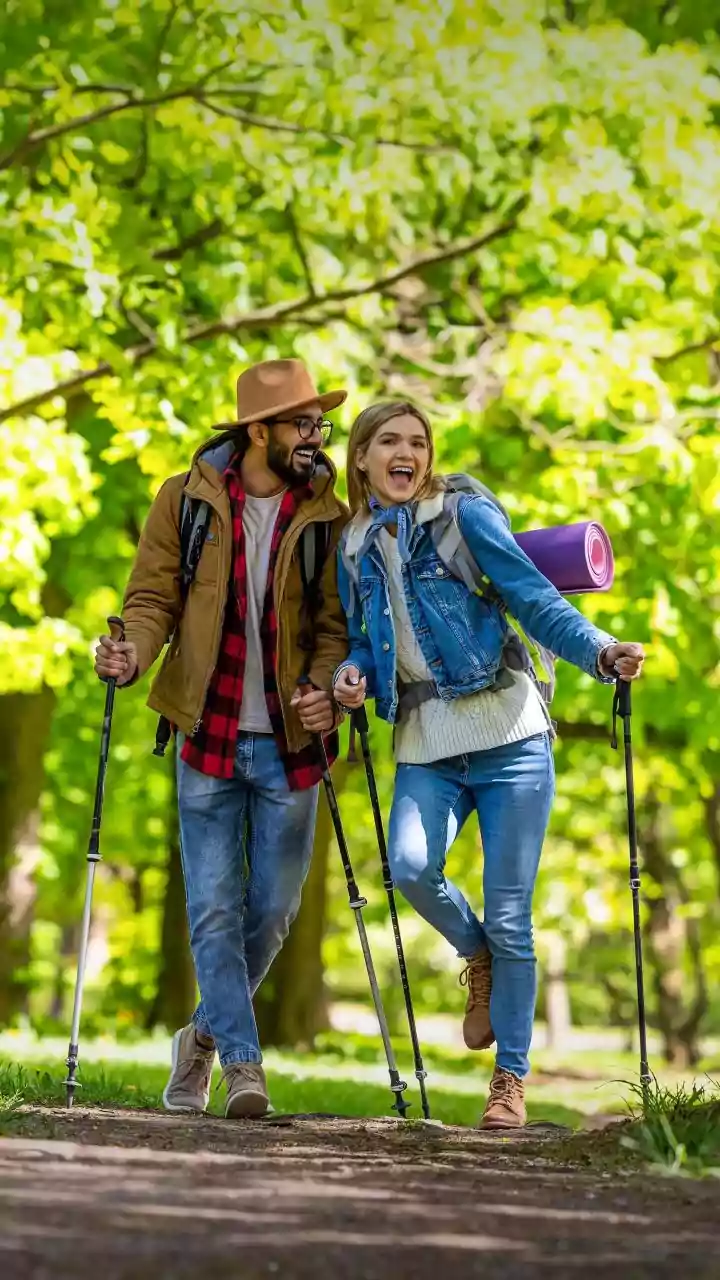
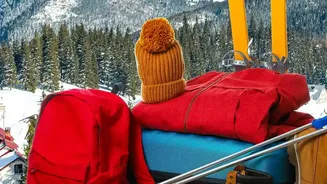
Layering is the key to comfort in November. Your packing list must account for both pleasant daytime sun and frigid nights. Start with a thermal base layer, add a fleece or wool mid-layer for insulation, and top it with a windproof and waterproof outer jacket. Insulated trousers, woollen socks, warm gloves, a beanie or balaclava, and sunglasses are non-negotiable. Even during the day, the sun can be strong at high altitudes, so sunscreen is essential. For footwear, sturdy, waterproof trekking shoes with good grip are necessary, as you may encounter icy patches or early snow, even on sightseeing trips.
Regional Realities: Where to Go
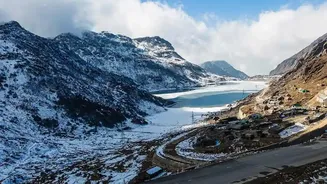
Different Himalayan regions offer varied experiences in November. Uttarakhand and Himachal Pradesh are excellent for accessible winter treks and experiencing the last of the autumn colours. Lower-altitude destinations in these states remain vibrant. Sikkim also offers great trekking opportunities with clear mountain views. Ladakh, on the other hand, transforms into a stark, quiet landscape. While beautiful, it's a more challenging destination this time of year. Many hotels and guesthouses in remote areas close down, and you must be prepared for limited services and extreme cold. Travel to Ladakh in November is for the more adventurous soul who is well-prepared for off-season conditions.