








The Constant Companion We Didn't Ask For
It’s not a failure of willpower. Your smartphone and the apps on it are engineered to keep you hooked. Every notification, 'like,' and infinite scroll is a carefully designed 'variable reward,' delivering a tiny hit of the pleasure chemical dopamine.
This system, originally discovered in experiments with lab rats, is now the business model for much of the digital economy. Your attention isn't just a commodity; it's the product being sold. Understanding this is the first step. You're not fighting a simple urge; you're pushing back against a multi-billion-dollar industry designed to capture and hold your focus.
Reclaiming Your Brain's Bandwidth
The constant switching—from an email to a text to a news alert and back—comes at a steep cognitive price. Psychologists call it 'attention residue,' where thoughts about the last task you were doing linger and degrade your performance on the current one. Our brains aren't built for this level of rapid-fire context shifting. The result? We feel perpetually busy but unproductive. We struggle with deep focus. Even boredom, the very state that often sparks creativity and self-reflection, becomes a void to be filled with another scroll, robbing us of the chance for new ideas or simple peace.
Start Small, Win Big: Notification Neutrality
Going cold turkey is a recipe for failure. The most powerful and immediate step you can take is to Marie Kondo your notifications. Go into your phone's settings and turn off every single alert—banners, sounds, and badges—for apps that are not essential. Does a 'like' on Instagram truly require your immediate attention? Does a breaking news alert about a celebrity need to interrupt your dinner? Be ruthless. Keep notifications only from actual human beings who need to reach you, like texts or phone calls. This simple act transforms your phone from a screaming master into a quiet tool you can choose to engage with.
Create Phone-Free Zones and Times
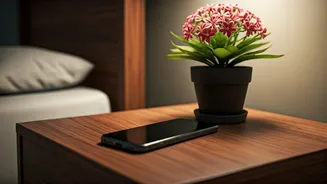
Just as you wouldn't bring a TV into a library, create sanctuaries in your life where screens are not welcome. The dinner table is a classic, but effective, place to start. Make meals a time for conversation and connection, not content consumption. The most impactful zone, however, is the bedroom. Research consistently shows that the blue light from screens disrupts melatonin production, making it harder to fall asleep and reducing sleep quality. Charge your phone in another room overnight. Buy a cheap, old-fashioned alarm clock. The first few nights might feel strange, but the improved sleep is worth it.
Schedule Your Screen Time
Instead of trying to resist the lure of social media or email all day, give yourself permission to indulge—but on your own terms. Schedule specific, short blocks of time for checking these apps. Maybe it's 15 minutes after lunch and 15 minutes before you leave work. Set a timer. When the time is up, close the app. This approach, advocated by tech experts like Cal Newport, contains the distraction to a defined box. You’ll be surprised how much less you miss than you think, and how much more you can accomplish when the rest of your day is free from unplanned digital intrusions.
Fill the Void with Analogue Pleasures
When you put your phone down, what will you pick up? The key to a sustainable change is to replace the habit with something more fulfilling. This is the 'Turn On Life' part. Rediscover the joy of a physical book or magazine. Go for a walk and leave your headphones at home, paying attention to the sounds of your neighborhood. Strike up a conversation with the barista or a neighbor. Make something with your hands—cook a new recipe, doodle in a notebook, or try gardening. These activities ground you in the physical world and provide a deeper, more lasting sense of satisfaction than any digital heart icon ever could.