





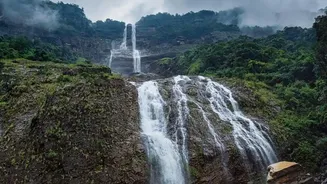
A Perilous Paradise
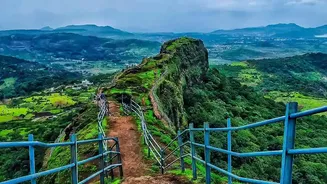
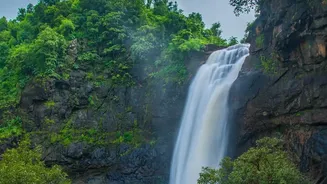
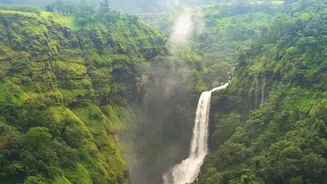
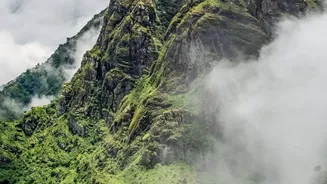
The Western Ghats, a UNESCO World Heritage site, transform into a lush, vibrant paradise during the monsoon, attracting thousands of trekkers. However, this beauty comes with significant danger. Heavy rainfall can make trails slippery and treacherous,
while sudden, violent flash floods can turn serene streams into raging torrents within minutes. Recent years have seen a number of incidents, including trekkers getting lost or caught in life-threatening situations, which prompted authorities to take decisive action. The 2026 monsoon season, in particular, has seen some of the strictest safety enforcements in a decade across multiple states, highlighting the growing concern over trekker safety during this volatile period.
Karnataka's New Safety Doctrine
In response, the Karnataka Forest Department has rolled out a comprehensive new Standard Operating Procedure (SOP) for trekking within its jurisdiction. The rules are designed to mitigate risks and ensure a safer experience. The most significant change is that trekking on regulated routes is no longer a casual affair. Online registration through the 'Aranya Vihara' portal is now mandatory, with daily caps on the number of trekkers allowed on popular trails like Kudremukh and Netravathi to prevent overcrowding and reduce environmental impact. Crucially, trekking without an authorized guide is no longer permitted. Every group, even a solo trekker, is assigned a certified guide, with a strict ratio of one guide for every ten trekkers.
How the GPS System Works
The headline-making technology is a core part of this new safety framework. While the system doesn't predict flash floods directly, it provides a critical layer of hazard management through real-time tracking. As part of the SOP, all registered guides are now equipped with GPS-enabled walkie-talkies or similar devices. This allows them to stay in constant contact with forest department base camps. In addition, trekkers are often required to install a tracking app on their smartphones for the duration of the trek. This two-pronged system allows authorities to monitor the real-time location of every trekking group. If a group strays from the designated path, fails to check in, or is in an area known to be a flash flood risk during a heavy downpour, officials can react immediately.
A Safety Net, Not a Substitute for Caution
The system acts as a digital safety net. Guides are required to perform regular headcounts and check in with the base camp every half an hour. If communication ceases for an hour, a response protocol is triggered. This ensures that if a group is in distress—whether from an injury, disorientation, or being cut off by a rising stream—their location is known, and a search and rescue operation can be launched swiftly and accurately. It’s a significant upgrade from past scenarios where rescue teams would have to search vast, dense forest areas with little information. However, officials stress that this technology is a tool to manage emergencies, not a license for recklessness. Trekkers are still expected to follow all safety guidelines, respect the guide's instructions, and maintain situational awareness.
The Future of Trekking in India
Karnataka's tech-enabled approach is part of a broader trend across India to make adventure tourism safer. States like Maharashtra and Goa have also imposed strict restrictions and permit systems for monsoon trekking. The integration of mandatory guides, online permits, and GPS tracking is likely to become the new normal for popular trekking routes in eco-sensitive areas. While some may see the regulations as restrictive, for authorities and seasoned trekkers, it's a necessary evolution. The goal is to create a sustainable model for trekking that balances the spirit of adventure with the non-negotiable priority of safety, ensuring the stunning landscapes of the Western Ghats can be enjoyed responsibly for years to come.