





Why Monsoon Increases Food Spoilage
The magic of the monsoon lies in its moisture, but this is also what makes it a high-risk period for foodborne illnesses. The combination of increased humidity and warm ambient temperatures creates an ideal environment for bacteria, mold, and fungi to
multiply at an alarming rate. Pathogens like E. coli and Salmonella thrive in these conditions. Every time you open the refrigerator on a humid day, moist air enters, making it harder for the appliance to maintain a safe, cool temperature. This means food that might last for days in drier weather can become unsafe in just a matter of hours.
The Two-Hour Rule Gets Shorter
A universal food safety rule is to never leave perishable food at room temperature for more than two hours. This is because bacteria grow most rapidly in the 'Danger Zone' between 4°C and 60°C. During the monsoon, with higher temperatures and humidity, this safety window shrinks significantly. It is best to refrigerate any cooked food within one hour of it cooling down. For items like cooked rice, which can harbor the bacteria Bacillus cereus, this rule is critical, as toxins can form quickly at room temperature.
Your Refrigerator: Storage Best Practices
Your refrigerator is your most important tool for monsoon food safety. To make it effective, ensure it is set at or below 4°C. Store all leftovers in airtight containers to protect them from moisture and prevent cross-contamination. It's crucial to keep raw meat and eggs separate from cooked foods. Also, avoid overloading your fridge, as this hinders proper air circulation, creating warmer spots where bacteria can grow. FSSAI recommends cleaning and defrosting your fridge every two weeks during the monsoon to prevent it from becoming a breeding ground for germs.
Storage Timelines for Common Indian Dishes
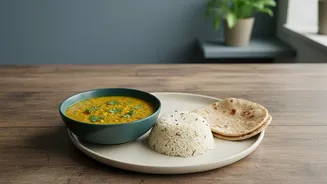
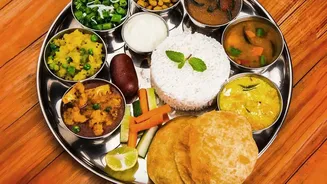
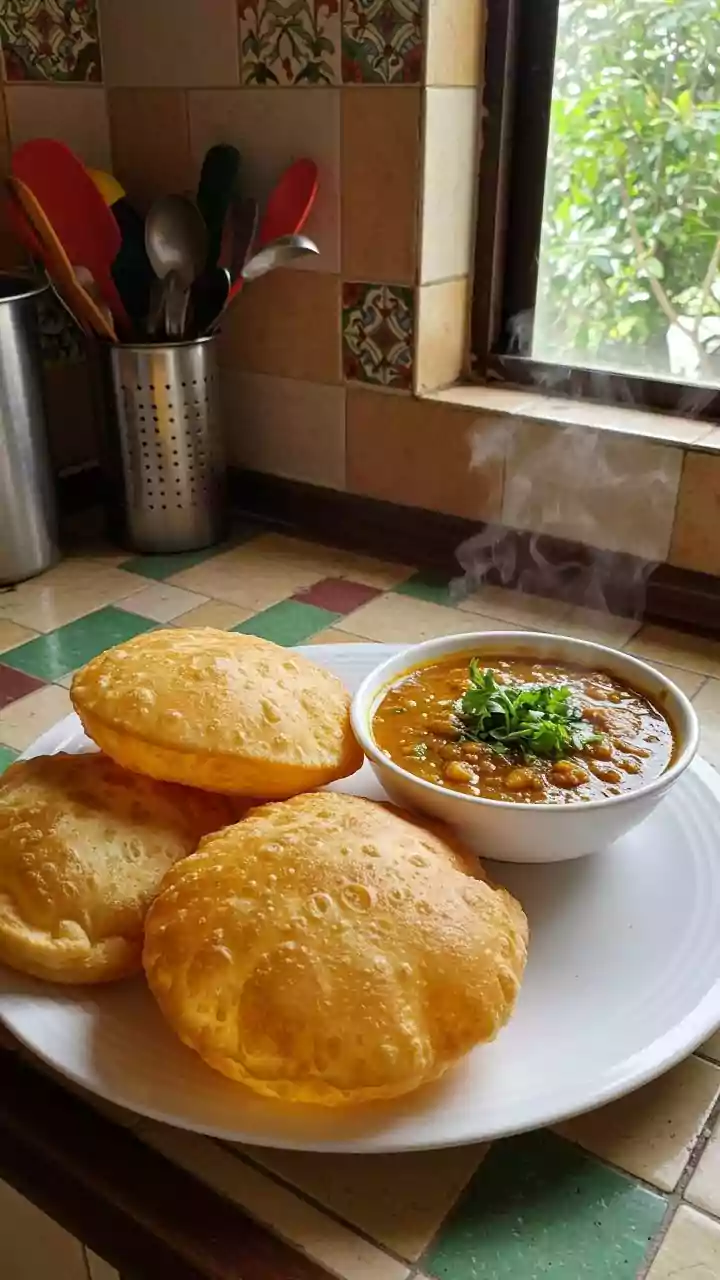
While guidelines vary, it's best to be conservative during the monsoon. As a general rule, consume leftovers much faster than you would in other seasons. Cooked rice and dal should ideally be consumed within 24 hours. Vegetable preparations (sabzi) and curries can last for about 24 to 36 hours. Always store these items in the refrigerator promptly. It is safest to cook in smaller batches and consume food while it is fresh to minimize the need for storing leftovers at all.
The Art of Safe Reheating
Properly reheating food is not just about making it warm; it’s about killing any bacteria that may have developed during storage. Leftovers should be reheated thoroughly until they reach an internal temperature of 74°C (165°F). A good visual cue for liquids like dal, soups, or curries is to bring them to a rolling boil. When using a microwave, ensure the food is covered and rotated for even heating. Avoid reheating food multiple times, as this can degrade its quality and increase the risk of contamination.
When in Doubt, Throw It Out
Your senses are a first line of defense, but they aren't foolproof, as many harmful bacteria don't alter the food's look or smell. However, if you notice any signs of spoilage, do not taste the food to check. Obvious red flags include an off or sour smell, a slimy texture, or any visible mold growth. Even if the food looks and smells fine, if it has been left out for more than two hours, or you're unsure about its storage history, the safest course of action is to discard it. It is never worth the risk of a serious stomach infection.