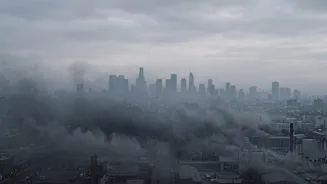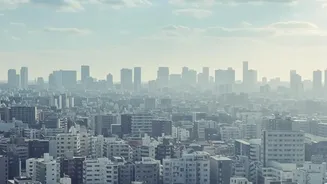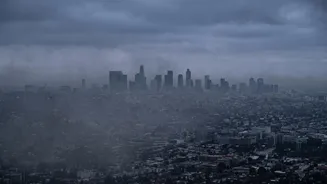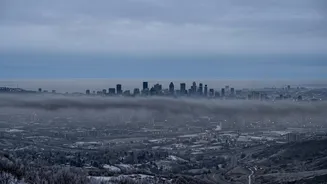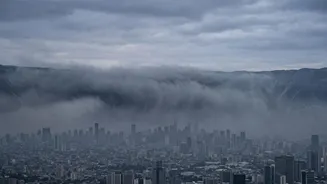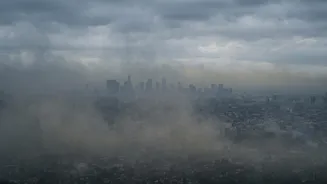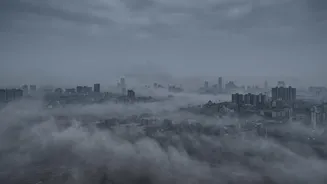




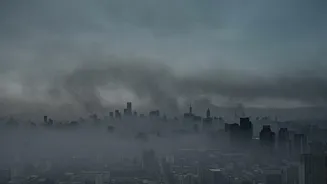
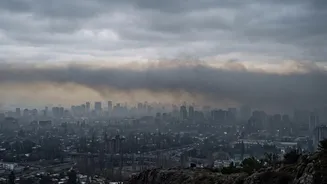
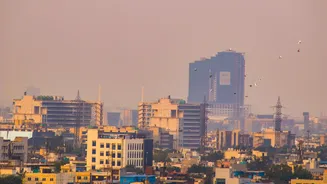
As winter approaches, a familiar grey haze descends upon the capital. It’s a yearly phenomenon where the crisp, cool air coincides with a sharp spike in air pollution. The drop in temperature is a primary catalyst for this alarming decline in air quality.
The Science of the Winter Smog
Every year, as temperatures fall across northern India, the air in Delhi and the broader National Capital Region becomes thick with pollutants. This isn't a coincidence; it's a direct consequence of meteorological phenomena that are amplified during the colder months. While sources of pollution like vehicle exhaust, industrial emissions, and construction dust are present year-round, winter weather creates the perfect conditions for these pollutants to become trapped and concentrated near the ground, leading to severe health hazards. The two main culprits in this toxic cocktail are PM2.5 and PM10, fine particulate matter that can penetrate deep into the lungs and even enter the bloodstream.
Temperature Inversion: The Atmosphere's Lid
The single most significant factor is a phenomenon called 'temperature inversion'. Normally, the air closer to the ground is warmer and rises, allowing pollutants to disperse higher into the atmosphere. However, during cold, clear winter nights, the ground radiates heat and cools down rapidly. This cools the layer of air closest to the surface, making it denser than the layer of warmer air above it. This 'inverts' the usual temperature gradient, creating a stable atmospheric lid. The warm air layer acts like a cap, trapping the cooler, denser air—and all the pollutants within it—close to the ground. The longer this inversion lasts, the more pollutants accumulate, leading to dangerously high concentrations.
Slower Winds and Stagnant Air
Winter in northern India is also characterized by lower wind speeds. Fast-moving winds are crucial for sweeping pollutants away and dispersing them over a wider area. When winds are calm and slow, the air becomes stagnant. Compounded by Delhi's landlocked geography and the Himalayas acting as a natural barrier to the north, this stagnant air mass has nowhere to go. Pollutants emitted from vehicles, industry, and other sources remain suspended in the same area where they were produced, building up day after day. This lack of ventilation is a key reason why pollution levels can skyrocket from 'poor' to 'severe' in a matter of hours during winter.
Humidity's Role in Worsening Smog
While it may seem counterintuitive, the higher humidity and fog common in winter also play a part. Moisture in the air can cause fine particulate matter to swell in size. Water droplets can adhere to tiny pollutant particles, making them larger and heavier. Furthermore, the presence of moisture can facilitate chemical reactions in the atmosphere that form 'secondary pollutants'. These are pollutants that aren't emitted directly but are created when primary pollutants like nitrogen oxides and sulphur dioxide react in the air. These secondary particles are a major component of PM2.5 in Delhi's winter air, transforming a hazy day into a thick, soupy smog.
Seasonal Spike in Human Activities
Finally, the drop in temperature prompts changes in human behaviour that add to the pollution load. The burning of biomass, such as wood and garbage, for heating increases significantly during the cold months, releasing large amounts of smoke and soot. This period also often coincides with the tail end of the poststubble burning season in the neighbouring states of Punjab and Haryana. Winds can carry this smoke over long distances, adding a massive burden to the already polluted air in the capital. Combined with emissions from firecrackers during festivals like Diwali, these seasonal activities create a perfect storm for hazardous air quality.