



What is Ragi, the Ancient Superfood?
Ragi, also known as finger millet and Nachni in parts of India, is an ancient grain that has been cultivated for thousands of years in Africa and Asia. It’s a staple food in many parts of South India, particularly Karnataka. Unlike other grains that might
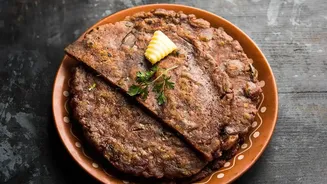
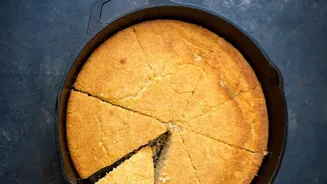
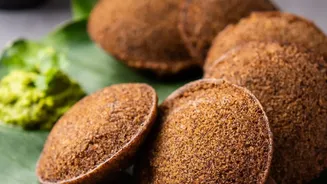
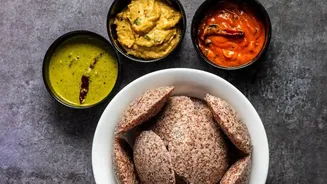
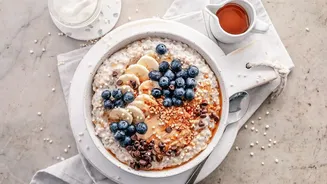
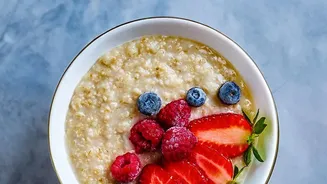
require polishing, which strips them of nutrients, ragi is typically consumed in its whole form, preserving its impressive nutritional profile. This tiny, reddish-brown grain packs a serious punch, offering a unique, slightly earthy flavour and a wealth of health benefits that have been appreciated for generations. Traditionally used to make porridge (kanji) and flatbreads (roti), ragi is now being creatively used in everything from dosas to baked goods.
A Nutritional Powerhouse on Your Plate
Calling ragi a superfood isn't an exaggeration. It boasts a remarkable nutritional profile that sets it apart from more common cereals like wheat and rice. It is exceptionally rich in calcium, with some studies noting it has 5 to 30 times the calcium content of other cereals, making it excellent for bone health. Ragi is also a fantastic source of dietary fibre, which aids digestion, promotes a feeling of fullness, and can assist in weight management. Furthermore, it is loaded with essential amino acids like methionine and tryptophan, which are crucial for bodily functions and often lacking in other cereals. The grain is also a good source of iron, making it beneficial in preventing anaemia, and its low glycemic index helps in managing blood sugar levels, making it a valuable food for individuals with diabetes.
The Gluten-Free Advantage
For a growing number of people, gluten is a significant concern. Ragi is naturally 100% gluten-free, making it a safe and highly nutritious alternative for individuals with celiac disease or gluten sensitivity. Unlike wheat, barley, or rye, finger millet does not contain the proteins that can cause digestive distress and other issues in sensitive individuals. This makes ragi flour an excellent base for creating a variety of dishes without compromising on texture or nutrition. As awareness about gluten-free diets grows, ragi has become a go-to grain for those seeking gut-friendly and wholesome food choices that are both versatile and nourishing.
From Porridge to Perfect Crepes
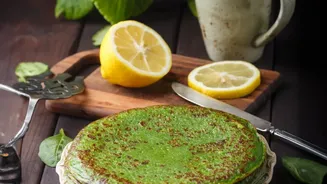
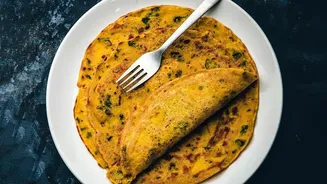
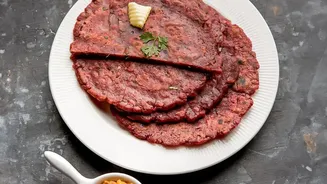
While traditionally prepared as a simple porridge or a dense, nutritious ball called 'mudde', ragi's versatility is now being celebrated in modern cuisine. One of the most popular and delicious ways to enjoy it is in the form of savoury crepes, often called ragi dosa. These crepes are a fantastic way to introduce the grain into your diet, especially for those who might be new to its earthy flavour. The batter can be made instantly without the need for lengthy fermentation, making it a convenient option for a quick and healthy breakfast or a light dinner. By turning the humble millet into a crispy, savoury crepe, you get all the nutritional benefits in a format that is both familiar and exciting to the palate.
Tips for Crafting Delicious Savoury Crepes
Making savoury ragi crepes at home is simple. The batter is typically made by mixing ragi flour with water, a bit of rice flour for crispiness, and seasonings. For an instant version, you can combine ragi flour with water, finely chopped onions, green chillies, coriander, and cumin seeds to create a thin, pourable batter, much like a rava dosa. Heat a non-stick or cast-iron tawa, pour the batter from the outside in to create a lacy texture, and cook until crisp. These crepes pair beautifully with a variety of fillings. You can go the traditional South Indian route with a spiced potato filling (masala dosa style), or get creative with fillings like scrambled paneer, mixed vegetable stir-fry, or even just a simple coconut chutney. The key is a hot pan and a thin batter to achieve that perfect crispy texture.