


What Exactly Is Waterless Beauty?
At its core, waterless (or anhydrous) beauty refers to products formulated without water. [5] If you check the labels on your current skincare, you'll likely see "aqua" or "water" as the first ingredient, often making up 60-85% of the product. [8, 17]
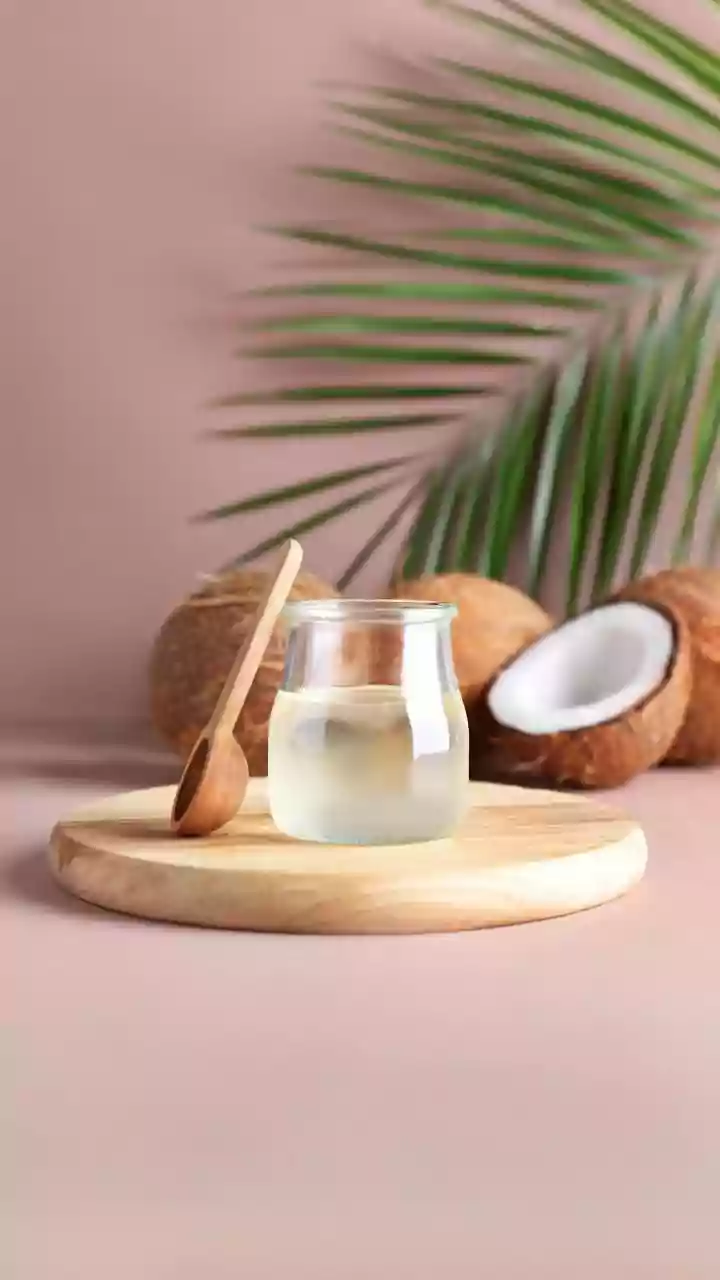
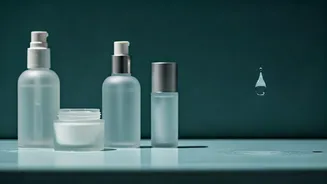
Waterless beauty products replace this H2O with nourishing ingredients like botanical oils, butters, waxes, and potent plant extracts. [5, 7, 9] This trend, which gained initial popularity in South Korea, isn't about creating products that don't hydrate; it's about changing the formula's foundation from a simple filler to a base of beneficial ingredients. [5, 8] The result is a new wave of products in solid, powder, or highly concentrated oil and balm formats. [2]
More Than Just Saving Water
The most obvious benefit is water conservation, a critical issue as the beauty industry is a huge consumer of this precious resource. [3] However, the sustainability perks go much further. Because they lack water—a primary breeding ground for bacteria—these products require fewer or no synthetic preservatives. [4, 5] This leads to cleaner, more natural ingredient lists. Furthermore, their solid, concentrated nature means they are lighter and more compact. This drastically reduces packaging—often eliminating plastic altogether—and lowers the carbon footprint associated with shipping. [8, 12] A lighter load means less fuel is needed, making the entire supply chain more eco-friendly. [8, 13]
Meet the New Icons: Bars, Powders, and Sticks
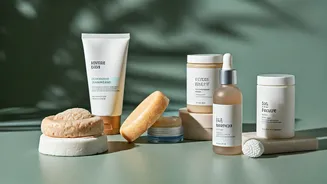
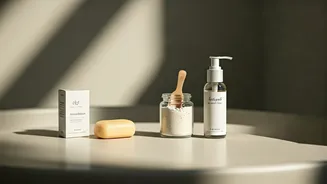
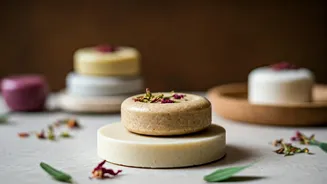
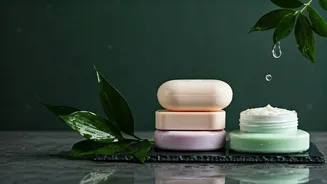
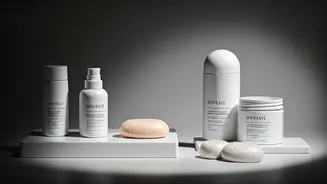
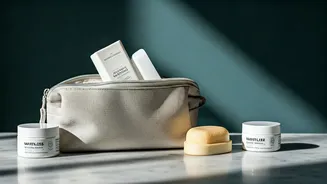
Waterless innovation has led to exciting new product formats that are both effective and convenient. Think solid shampoo and conditioner bars that prevent plastic bottle waste, powder-to-foam cleansers you activate with water from your tap, and concentrated serum bars packed with active ingredients. [18, 22] You can also find cleansing balms, solid moisturisers, and even dry sheet masks that can be used multiple times. [5] These formats aren't just eco-friendly; they're also perfect for travel, eliminating the risk of leaks and complying with airline liquid restrictions. [3, 21]
The Benefits for Your Skin (and Wallet)
The advantages of waterless beauty extend directly to you. Since the formulas aren't diluted with water, the concentration of active ingredients is much higher. [3, 9] This means more potent, effective products that can deliver more noticeable results. [3] While the upfront cost can sometimes be higher, these concentrated products last significantly longer because a little goes a long way. [3, 8] This can make them more economical in the long run. The absence of water can also extend shelf life naturally, as it reduces the risk of microbial contamination. [4, 7]
Are There Any Downsides?
While the movement is growing, it's not without challenges. The user experience can be different; for example, a shampoo bar won't feel exactly like a liquid shampoo, which can take some getting used to. [26] Formulation can also be tricky. Not all beneficial skincare ingredients are oil-soluble, meaning popular actives like Vitamin C or hyaluronic acid can be difficult to incorporate into a completely water-free formula. [18] However, as innovation continues, brands are finding clever ways to overcome these hurdles, creating a new generation of products that are both effective and sustainable. [26]