




A Quiet Kitchen Revolution
Something significant is changing on Indian dining tables. The packets of instant noodles are making way for bowls of millet khichdi. Refined white sugar is being replaced by the earthy sweetness of jaggery and date syrup. Cold-pressed oils—coconut, sesame,
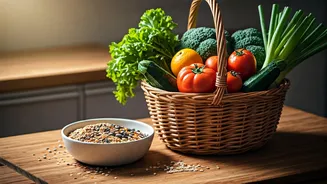
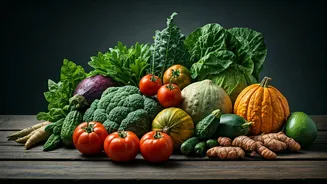
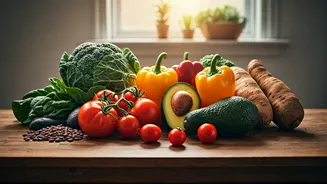
and groundnut—are reclaiming their space from heavily processed vegetable oils. This isn’t a fleeting diet fad; it's a deep-seated movement towards 'natural eating'. It’s a conscious choice to consume food that is whole, unprocessed, and closer to its original state. For millions, this means embracing local, seasonal produce, questioning what’s in their packaged food, and reviving traditional cooking methods that preserve nutrients rather than stripping them away.
From Ancient Grains to Modern Plates
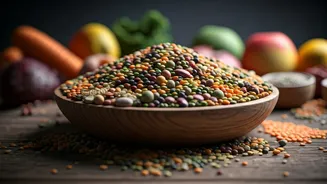
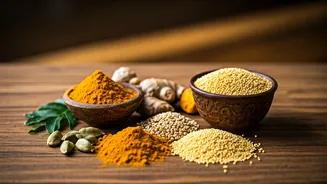
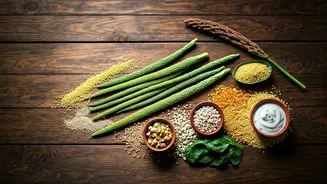
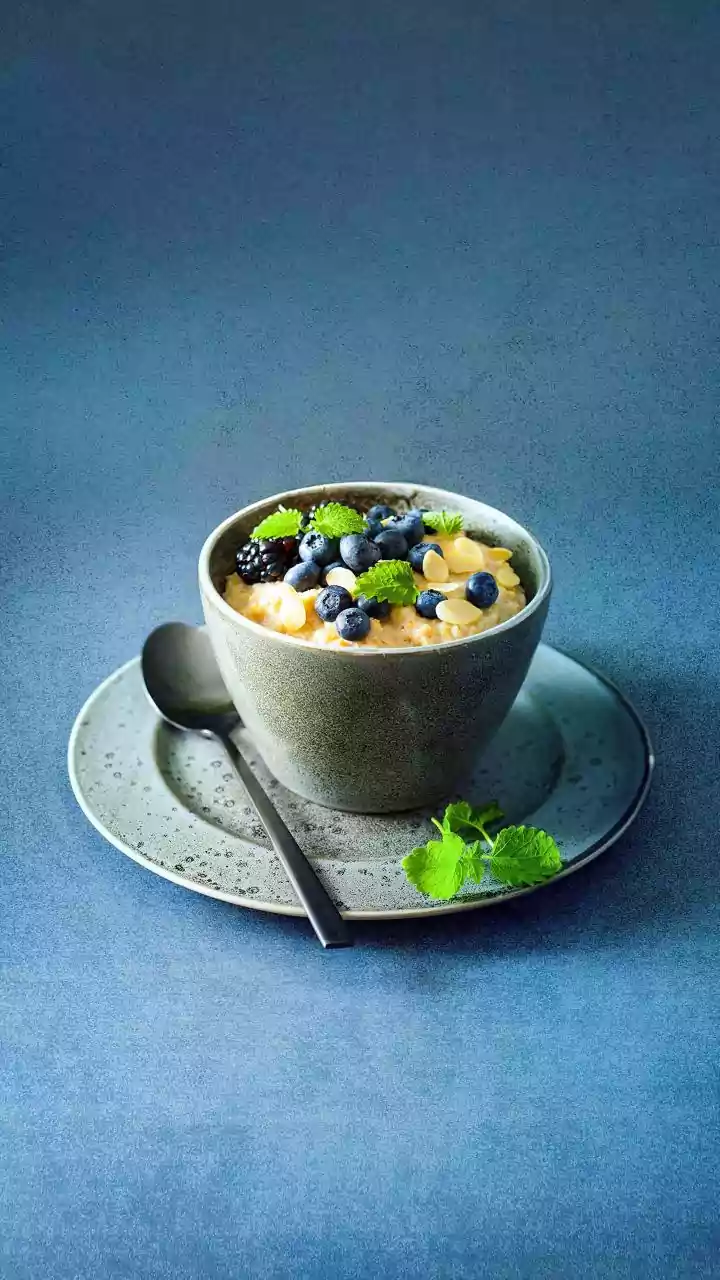
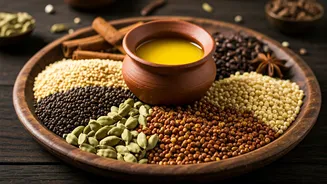
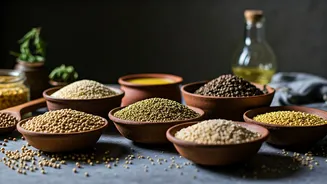
At the heart of this movement is the spectacular comeback of ancient Indian grains, especially millets. Once dismissed as 'coarse grains' or food for rural areas, millets like ragi, jowar, and bajra are now celebrated as superfoods. This revival is partly fuelled by a top-down push, with the government promoting 2023 as the International Year of Millets, and partly by a bottom-up consumer demand for gluten-free, high-fibre alternatives to wheat and rice. But it’s not just about millets. There's a renewed appreciation for the principles of Ayurveda, which has always advocated for eating according to one’s body type and season. This blend of ancient agricultural heritage and timeless wellness wisdom is making traditional Indian food cool again.
The Post-Pandemic Health Awakening
If this trend was a slow-burning fire before 2020, the pandemic poured ghee on it. The global health crisis served as a stark reminder of the link between diet, immunity, and overall well-being. Suddenly, conversations about building 'natural immunity' moved from niche wellness blogs to family WhatsApp groups. Consumers became more skeptical of foods with long, unpronounceable ingredient lists and began actively seeking out products that promised 'clean' labels and tangible health benefits. This hyper-awareness accelerated the shift away from processed foods, which are often high in preservatives, sodium, and sugar, towards whole foods that nourish the body from within. The focus shifted from merely filling the stomach to truly fuelling one’s health.
Reading Between the Labels
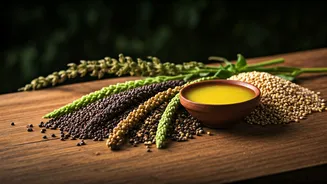
As the demand for natural products grows, so does the marketing jargon. Navigating the grocery aisle can feel like a pop quiz. What’s the real difference between 'organic', 'natural', and 'chemical-free'? 'Organic' typically refers to certified produce grown without synthetic pesticides and fertilisers. 'Natural' is a broader, less regulated term, usually meaning the food is minimally processed and free from artificial ingredients. Meanwhile, 'cold-pressed' oils are extracted without heat, which helps retain more nutrients and flavour compared to industrial refining methods. Understanding these distinctions is key for consumers to make informed choices and not fall for 'greenwashing'—where brands use eco-friendly buzzwords without genuine substance.
Challenges on the Natural Path
Despite its growing popularity, the path to natural eating isn't without its bumps. The most significant barrier for many is cost. Certified organic products and specialty health foods often come with a premium price tag, making them inaccessible to a large section of the population. Availability can also be an issue outside of major metropolitan cities. Furthermore, the lack of stringent regulation around terms like 'natural' can lead to consumer confusion and mistrust. However, the rise of direct-to-consumer (D2C) brands, farmer's markets, and community-supported agriculture initiatives are slowly bridging this gap, making cleaner food options more affordable and accessible than ever before.