
The Art of Fermentation
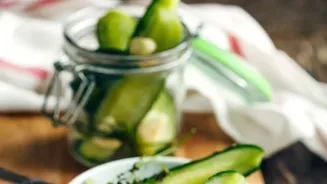
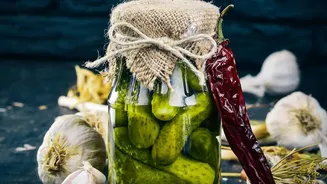
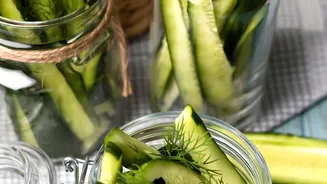
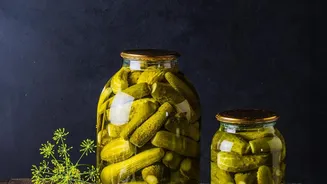
When you think of a pickle, you likely picture a cucumber preserved in vinegar. While common, this is not the only method. The pickles we’re talking about are created through lacto-fermentation. This traditional preservation technique involves submerging
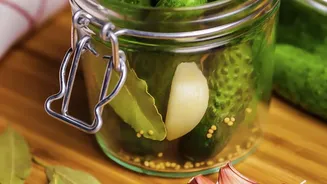
cucumbers in a simple saltwater brine. Over several days or weeks, naturally present beneficial bacteria, primarily from the Lactobacillus family, get to work. They convert the sugars in the cucumbers into lactic acid. This acid not only creates that classic tangy flavour but also acts as a natural preservative, safeguarding the pickles from spoilage without any need for vinegar or heat.
Not All Pickles Are Probiotic
This is the most crucial distinction for anyone seeking health benefits: most commercially available pickles are not fermented. The majority of jars on supermarket shelves contain cucumbers preserved in a vinegar brine. This process, known as fresh-pack pickling, is faster and results in a longer shelf life at room temperature. However, the vinegar and often the heat used in pasteurisation kill off all bacteria, including the beneficial ones. True fermented pickles, rich with live probiotics, are unpasteurised and must be kept refrigerated to halt the fermentation process and preserve the living cultures. So, if you're looking for those gut-friendly benefits, you'll find them in the refrigerated section, not the condiment aisle.
A Low-Calorie Probiotic Powerhouse
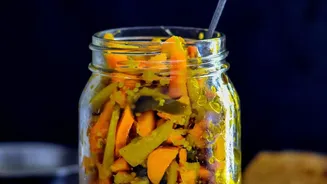
One of the most appealing aspects of fermented pickles is their nutritional profile. They are exceptionally low in calories, making them a perfect guilt-free snack. A large dill pickle might contain as few as 15 calories, and some brands boast as little as 5 calories per serving. They are also naturally fat-free and cholesterol-free. This stands in contrast to many other flavourful snacks and even some traditional Indian pickles (achaar), which can be high in calories due to the large amounts of oil used in their preservation. These oil-free fermented versions deliver a powerful punch of flavour and crunch without the heavy calorie load.
Why Your Gut Loves Probiotics
Probiotics are live microorganisms, often called "good bacteria," that offer health benefits when consumed. The lactic acid bacteria developed during fermentation are powerful probiotics. These beneficial microbes help to maintain a healthy balance in your gut microbiome, which is the community of trillions of bacteria living in your digestive system. A healthy gut microbiome is crucial for more than just digestion; it plays a vital role in nutrient absorption, immune function, and can even influence your mood and mental health. By adding fermented foods like these pickles to your diet, you are actively supporting this internal ecosystem.
Finding the Right Pickle
So, how can you be sure you're getting the real deal? First, head to the refrigerated section of your grocery store. Shelf-stable pickles are almost always vinegar-based. Next, read the label carefully. Look for ingredients like "cucumbers, water, salt" and avoid those where vinegar is a primary ingredient. You might also see terms like "live cultures," "naturally fermented," or "unpasteurised." These are all good indicators that you've found a pickle packed with probiotics. The liquid in the jar will also often be slightly cloudy, which is a normal result of the fermentation process.