

More Than a Simple Condiment
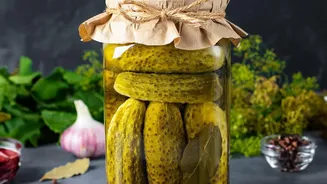
When you hear the word 'pickle', your mind might conjure an image of a vinegary cucumber spear next to a sandwich. It's time to expand that definition. Authentic Indian pickles, or 'achar', are a world away from their Western counterparts. Instead of a simple
vinegar brine, Indian preservation is an art form rooted in a potent combination of salt, spices, and oil. This mixture doesn't just preserve; it transforms. Fruits and vegetables are steeped for weeks or months, often using the power of the sun, in a bath of spices like mustard seed, fenugreek, turmeric, and chilli. The result is not merely a sour side dish but a complex, pungent, and intensely savoury ingredient.
A Universe of Flavour in a Jar
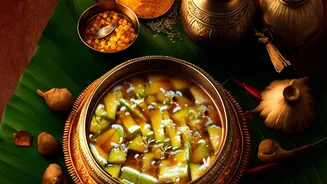
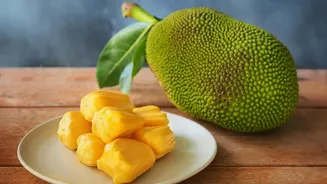
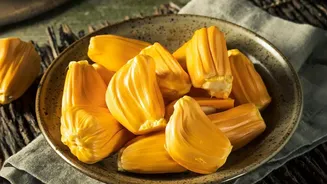
Indian pickles are not a monolith; they represent the staggering diversity of the subcontinent's culinary landscape. Each region boasts its own specialities based on local produce. You'll find the universally loved raw mango pickle (aam ka achar), which varies from fiery in the North to sweet and tangy in Gujarat. There's the sharp, zesty lime pickle, the crunchy lotus stem pickle from Kashmir, and the uniquely sour gongura (sorrel leaf) pickle from Andhra Pradesh. This variety extends to carrots, cauliflower, garlic, chillies, and even jackfruit, with each pickle offering a distinct personality. This incredible range means there's a pickle to complement, contrast, or elevate virtually any dish you can imagine.
The Umami Bomb Your Vegan Dishes Need
One of the biggest challenges in plant-based cooking can be creating a deep, savoury, 'umami' flavour without relying on meat or broths. This is where Indian pickles truly shine. The process of slow fermentation, central to many traditional achar recipes, is a natural umami factory. During fermentation, microbes break down the ingredients, creating complex flavour compounds, including the glutamates responsible for that satisfying, savoury depth. A small spoonful of a well-made Indian pickle can introduce a layer of complexity that would otherwise take hours of simmering to achieve. It’s an instant flavour booster that can make lentil soups, grain bowls, and roasted vegetables sing with a richness they lacked before.
Integrating Achar into the Modern Plate
The key is to think of achar not just as something you serve on the side, but as an active ingredient. The applications are endless for the creative plant-based cook. Whisk a bit of the oil from a spicy mango pickle into a vinaigrette for a salad of sturdy greens. Stir a spoonful of lemon pickle into a pot of dal to cut through the richness and add a bright, tangy note. Use a pungent chilli or garlic pickle as a marinade for tofu or paneer before grilling. You can even blend a small amount into a plant-based yogurt or mayonnaise to create a dynamic dip or sandwich spread. By integrating pickles into the cooking process, you infuse the entire dish with their powerful, layered flavours.
A Taste of Tradition and Sustainability
Beyond the incredible taste, Indian pickles embody a philosophy that resonates deeply with the modern plant-based movement. Pickling has for millennia been a method of preservation, a way to honour seasonal produce and eliminate food waste by extending the life of a harvest. Many recipes are passed down through generations, representing a rich cultural heritage held within a family. For a food movement that often prizes sustainability, tradition, and whole-food ingredients, the humble Indian pickle fits right in. It’s a naturally vegan condiment (most traditional recipes are plant-based) that connects a modern kitchen to ancient wisdom and resourcefulness.