

The Perfect Weather Window
Late summer, spanning from August to September, is arguably the sweet spot for a Ladakhi holiday. The region sits in a rain-shadow zone, meaning it escapes the heavy monsoon showers that drench much of the country. While the approach roads from Manali
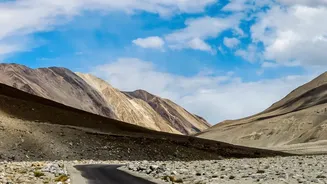
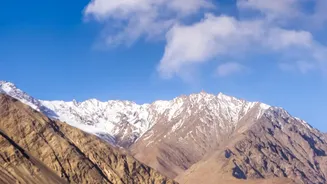
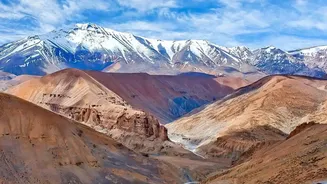
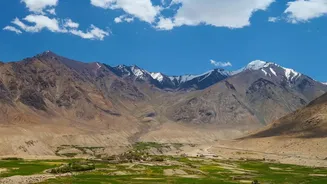
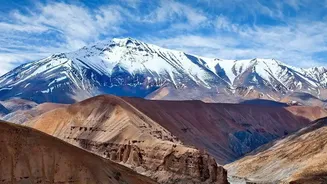
or Srinagar might see some rain, Ladakh itself remains mostly dry and sunny. The daytime temperatures are pleasant, typically hovering between 15 and 25 degrees Celsius, making it ideal for sightseeing and outdoor activities. The post-monsoon air is exceptionally clear, which means the panoramic views of the stark mountains against the azure sky are at their most brilliant. This is also a time when summer crowds begin to thin, offering a more serene experience.
Unforgettable Mountain Adventures
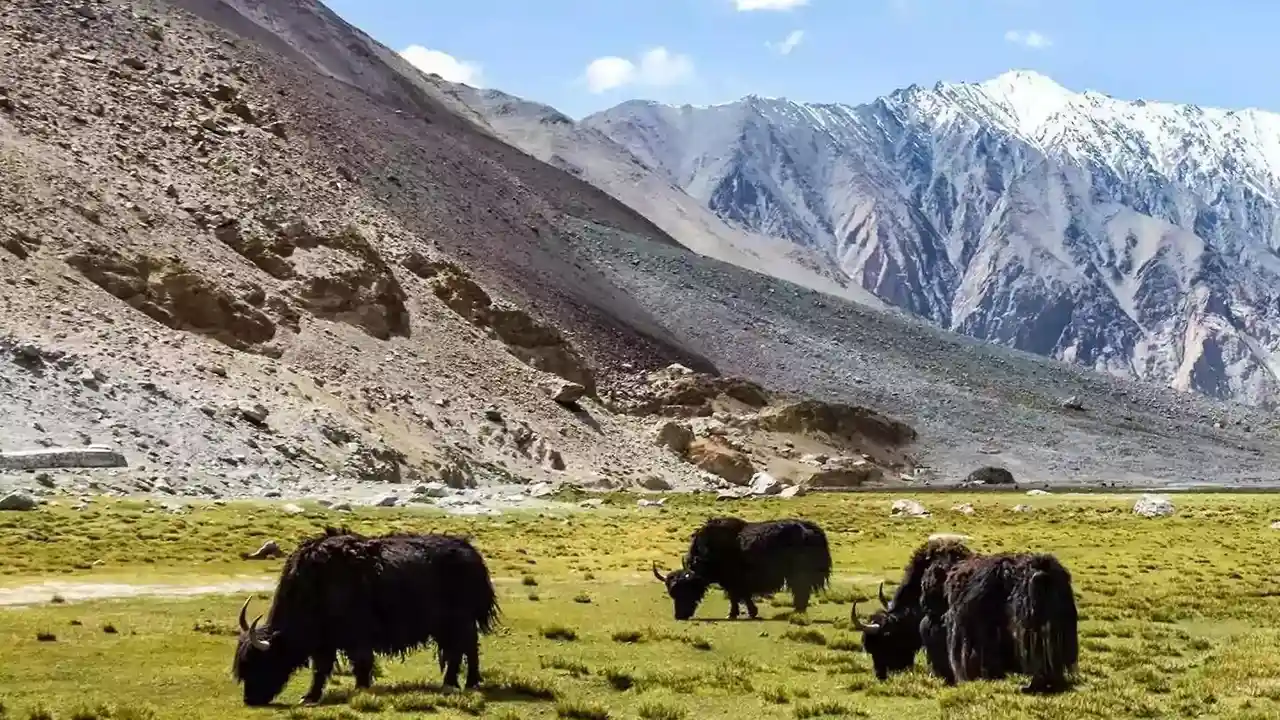
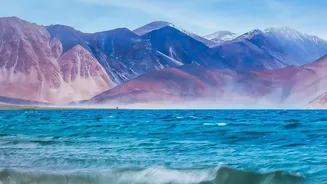
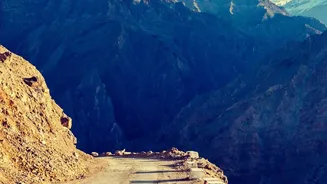
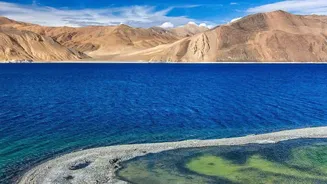
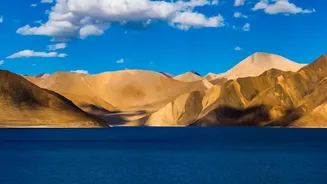
Ladakh is synonymous with adventure, and late summer is when you can experience it all. The iconic journey to Pangong Tso, a stunning high-altitude lake that shifts through shades of blue, is a must-do. The drive itself, often via the formidable Chang La pass, is an adventure. Another essential trip is to the Nubra Valley, accessed via Khardung La, one of the world's highest motorable passes. Here, you can witness the surreal sight of sand dunes and ride the unique double-humped Bactrian camels in a cold desert. For trekkers, options range from short monastery hikes to more challenging multi-day treks like the Markha Valley trek. Mountain biking and river rafting on the Zanskar and Indus rivers are also popular activities during this period.
A Tapestry of Culture and Calm
Beyond the adrenaline rush, Ladakh offers profound cultural and spiritual experiences. The landscape is dotted with ancient Buddhist monasteries (gompas) that cling to cliffs and exude an aura of peace. Visiting monasteries like Thiksey, Hemis, and Diskit provides a glimpse into the region's living Tibetan Buddhist heritage. Late summer also hosts several vibrant monastic festivals. The Takthok festival, for example, is celebrated at a monastery built around a meditation cave and features sacred masked dances. Attending a festival allows you to witness ancient rituals and the deep-rooted faith of the Ladakhi people, adding a rich layer to your journey.
Essential Planning and Acclimatisation
Planning a trip to Ladakh requires attention to a few key details. First and foremost is acclimatisation. Leh is situated at an altitude of over 11,000 feet, and spending your first day or two resting is crucial to avoid Acute Mountain Sickness (AMS). Flying into Leh is the most convenient option and makes this initial rest period easier to manage. For visiting areas like Nubra Valley and Pangong Tso, Indian tourists need to pay an environment fee online and carry the receipt, which functions as a permit. This can be done through the official Leh district administration portal. Pack in layers, as temperatures can drop significantly, especially at night. Sunscreen, sunglasses, and a hat are non-negotiable due to the strong UV radiation at high altitudes.