


The Foundation: Your Pre-Cooking Blueprint
The secret to a repeatable recipe begins before the stove is even lit. Think of it as creating a map for your culinary journey. Before you start chopping or measuring, grab a notebook or open a document on your phone. First, list all your ingredients.
Crucially, list them in the order you plan to use them. This simple step prevents the mid-cooking panic of searching for a spice jar. Next to each ingredient, specify the exact quantity and any initial preparation. Instead of just 'onions', write '2 medium red onions, finely chopped'. Note the brand of key ingredients like yogurt or flour, as this can sometimes affect the outcome. Finally, list the equipment you'll need—a heavy-bottomed pan, a 9-inch baking dish, a pressure cooker. This 'mise en place' for your notes ensures you start with a clear, organised plan, turning a chaotic creative burst into a structured experiment.
During the Cook: Capture Every Detail
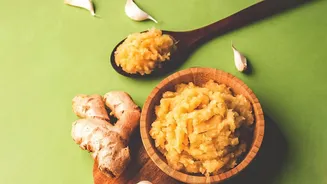
This is where observation turns into data. As you cook, become a diligent reporter of your own process. Document every single thing. It’s not enough to write 'sauté until golden'; note the heat level ('medium-high flame') and the exact time it took ('sautéed for 8 minutes, stirring occasionally'). Pay attention to sensory cues and write them down. How did the onions look when you added the ginger-garlic paste? Did the masala mixture start to release oil? What was the aroma like at that stage? These observations are the heart of your recipe. Describe the texture—'the batter was thick like honey' or 'the dough felt smooth and elastic'. If you make an adjustment, write it down. Added an extra splash of water? Note how much and why. This meticulous documentation feels like a chore at first, but it is the only way to understand what truly makes your dish work. You are capturing the 'how' and 'why' behind your intuition.
The After-Action Report: Taste and Tweak
Cooking doesn't end when the dish is plated; it ends after you’ve tasted and evaluated it. This step transforms a single meal into the first draft of a great recipe. As you eat, take objective notes. Is it perfectly seasoned, or does it need more salt? Could it use a squeeze of lime for acidity? Is the texture right? Perhaps the chicken was a bit dry, suggesting a shorter cooking time for the next attempt. Be honest and critical. This is also a great time to ask for feedback from family or friends who are trying the dish. Write down your thoughts for 'next time'. For example: 'Next time, use half a teaspoon less red chilli powder for a milder flavour' or 'Try adding the tomatoes earlier to let them break down more'. This feedback loop is what professionals use to perfect their creations. Each test, guided by these notes, gets you closer to a foolproof recipe.
From Notes to Instructions: The Final Polish
Now it's time to translate your scribbled observations into a clean, clear set of instructions that your future self—or even a friend—can follow without confusion. Open a fresh page and structure your recipe logically. Start with the final title, a brief description, the prep time, cook time, and the number of servings (the yield). Then, create your final, polished ingredient list, ensuring it's in the correct order of use with specific measurements. For the method, write clear, numbered steps. Use simple, direct language and avoid jargon. Each step should be a clear action. For instance, 'Heat the oil in a pan over medium heat. Add cumin seeds and wait for them to splutter.' Give visual or sensory cues for doneness, along with times—'Simmer for 10-12 minutes, or until the gravy has thickened and oil begins to separate at the edges'. Your goal is to write a guide so clear that anyone can replicate your success.